Citygreen Projects is driven by a clear set of values, a passion for exceptional project outcomes and an enduring commitment to innovation.
What we Bring to your Urban Revitalisation Project:
Concepts and modelling
Budgeting and feasibility
Technical design and drafting
Documentation and contract admin
Project management and scheduling
Construction and quality control
Commissioning and maintenance
What is Citygreen Projects?
Citygreen Projects is your multi-disciplinary project partner to assist you in urban revitalisation projects through all phases, from conceptual modelling, budgeting, and community engagement right through to design, documentation and then final delivery of construction works.
We work together, blending our expertise and knowledge across urban planning, urban design, and landscape architecture to meet your needs and aspirations. Our advice, services and solutions are well-considered and balanced. We respond decisively to every job and every challenge, ready to help realise a successful outcome that is workable, sustainable, and achievable. We pride ourselves on integrity and commitment and believe in explaining the realities of every situation.
What Services do Citygreen Projects offer?
Citygreen Project’s role is the creation of sustainable places for people that enrich community life, provide joyful, memorable, and worthwhile experiences, and serve the natural environment.
Citygreen Projects works closely with Citygreen’s DesignStudio, a dedicated and experienced group of design professionals providing services in master planning, plans of management, design for public domain, parks and open spaces, strategy and policy for recreation, open space and public domain, and planning and design for multi-residential developments and estates.
Our process is multidisciplinary, tapping into the extensive experience and insight of experts across our practice. We take an inclusive approach, involving clients at all stages of a project to ensure their needs are met, providing education and insight wherever needed.
Who does Citygreen Projects work with?
We work with clients (particularly LGA’s) throughout Australia and New Zealand, balancing commitment, creativity, and innovation with award-winning experience. Creating great cities and places to live and work requires an ability to respond to urban and regional development complexity. Our collaborative approach integrates multiple stakeholders and complex interrelationships.
Our services extend across private and public sectors and all scales of projects, from master-planned communities to intimate and engaging interior spaces. Citygreen’s DesignStudio, a team of architects, designers, planners, engineers and environmental scientists, share the technical knowledge and the latest digital tools and resources to bring imaginative thinking to solve clients’ challenges.
Why should I use Citygreen Projects to manage my next Urban Renewal Project?
Citygreen assists you in undertaking urban landscape projects from start to finish, so you don’t have to spend the time budgeting & managing multiple contractors. At Citygreen, we have been researching and developing best practise methodologies internationally for decades to help plan, plant and maintain trees in the city and create green space in urban environments.
Citygreen Projects understands how towns, cities, and region’s function. Our aim is to work with you to make them even better, streamlining the planning and design process to ultimately deliver successful, compelling solutions.
I have a vision for an urban development project, what are the next steps?
Book a free online workshop to learn more about Citygreen Projects. This interactive workshop covers everything from creating large healthy tree canopies faster and more predictably to how to integrate living green wall systems, to incorporating stormwater management and increase the liveability and sustainability of our cities for generations to come, based on case studies, industry research, structural and civil engineering considerations.
Green walls are one of the latest trends in interior design and with good reason. They are beautiful, healthy, and the benefits far outweigh the costs and maintenance.
If you’ve been following some of the recent building trends, you may realise that outdoor and indoor green walls are now popular. There’s more to the popularity of the green walls than just a great aesthetic look. In fact, there are several benefits of having living walls on the inside or outside of your building. Learn more about those benefits and how having a green wall can help you.
Table of Contents
1. Use Green Walls to Purify the Air
You’ve probably heard the Amazon jungle referred to as the “lungs of the earth.” That’s because the immense, dense foliage of the Amazon jungle converts carbon dioxide into oxygen. And while we all benefit from the chemical process that plants use to create oxygen, there is more that we can do to ensure that our household air is clean and oxygen-rich. Enter green walls.
One of the most significant benefits of a green wall is to improve the quality of your indoor air. Approximately 25% of carbon emissions made by human activity are absorbed by plants, and living walls contribute to that absorption. Plants on the wall filter toxins in the air and convert carbon dioxide to oxygen. In doing so, they create a healthier environment for you, your family, and your guests.
Have you ever noticed how an enclosed room or home can become stuffy? The more people and animals that you add, the less breathable the air is. During milder days, you can open a window, but that means shutting off your HVAC or running higher electric bills. An interior green wall can help offset the oxygen use of humans and pets in your home. And as an added benefit, your improved air quality means less eye irritation, fewer headaches, and reduced incidents of illness. If the wall is located inside a workplace, the employees are more productive and will take fewer sick days.
2. Decrease the Ambient Temperature
Heating and cooling a workspace can be expensive, and during severe winters and hot can take a significant chunk out of your profit. There are many things you can do to reduce these bills, from adding insulation to sealing doors and windows to replacing your HVAC system with a high-efficiency unit. But there’s another simple way to lower your energy bill: living walls. The plants absorb and reflect some sunlight, which cools down the air. As a result, you spend less money on your cooling bill.
Even an outdoor wall decreases the ambient temperature. Many cities have the heat-island effect. This is where the heat given off by machinery, vehicles, and buildings get trapped in a certain area and drive up the overall temperature. Outdoor plant walls decrease the outdoor temperature, which makes visitors more comfortable.
3. Living Green Walls Reduce Noise
Have you ever noticed how a carpeted room tends to be quieter than one with a tile or wood floor? That’s because sound reflects off of flat, non-porous surfaces. Things like curtains and rugs can make a noisy room quieter. Plant walls have much the same effect. Sound vibrations are absorbed by the plant leaves, rather than being reflected back into the room.
A plant wall absorbs approximately 41% more noise than a traditional wall. Outdoor walls reduce noise from traffic, aircraft, and construction activities, and any other noise that you experience living in an urban centre. Indoor green walls can make rooms less echoey. Whether the wall is inside or outside, it works as an affordable and artistic sound barrier.
4. Increase Productivity by Bringing Nature Indoors
There are many tactics that employers can attempt to improve worker morale. One of those is changing or improving the décor of the workspace. Workers tend to appreciate significant improvements to the quality of their work environment. After all, they’re spending a significant portion of their days in the same location. If your goal is to improve worker productivity, a living green wall is a rapid and affordable method of increasing productivity. Employees respond positively to more greenery in the workplace.
5. Make a Building More Fire-Resistant
As you might expect, green plant walls contain a significant amount of moisture. That moisture makes them naturally resistant to fires. This might seem counterintuitive when you consider brush fires or forest fires, but those usually occur after long dry spells. Plant walls remain lush and green all of the time. By adding a living wall to your building, you make it more fire-resistant.
6. How to Extend the Life of Your Green Wall
Your outdoor green walls are exposed to sunlight, wind, rain, and extreme temperature changes. Over time, the elements destroy your wall. But a living wall protects your structure from direct damage. The life of your wall could be extended by years.
7. Green Walls Increase Property Value
To make your building more valuable, you can make several changes. However, those changes often come at a high cost. You may need to spend thousands of dollars to get a small return.
When you install a living wall, you make your building more valuable. The natural look is coveted by many buyers. Furthermore, energy savings gives you even more value. A living wall is an investment that immediately starts paying for itself.
8. Create a Community Feel with Living Walls
A great green wall attracts people and lightens the mood. It brings together neighbourhoods and communities while decreasing aggression and vandalism. To help your building bring together your community, you should consider a green wall.
Read how Sagrado Corazon Hospital, in Spain about how they retrofitted a living wall to improve the atmosphere of their staff and patients
Outdoor and indoor green walls come with multiple benefits. If you’re interested in getting started, you should start doing your research and planning for your wall.
How to make a Living Green Wall?
Citygreen™ Living Wall System is made up of industrially-produced and flexible multilayer modules that are connected to a metallic framework fixed to a supporting wall.
The green wall panels are lightweight, waterproof, and breathable They are attached to a metal frame with an irrigation layer in between to ensure full growth development.
After establishing the Green wall planting, featured plants are placed into your vertical garden and nurtured by these high-quality modules to ensure their aesthetic appeal and full growth development in any urban environment.
/
Be Part of the Green Wall Revolution
Indoor and outdoor plant walls protect our environment. While it might not seem like one or two walls can do much to fight climate change, it can help to offset your individual or your company’s carbon footprint. Plant walls may be one of the only truly guilt-free indulgences that are left. Add a little green to your life with a beautiful plant wall.
Watch our free webinar on how to achieve a successful green living wall
The best way to grow trees to maturity in cities is to ensure that the tree has access to abundant high quality soil, water, maintenance, and room for tree roots to grow.
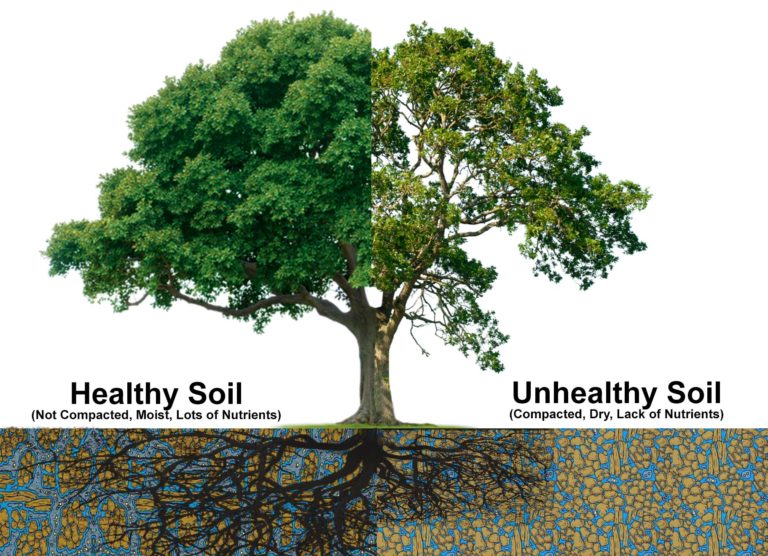
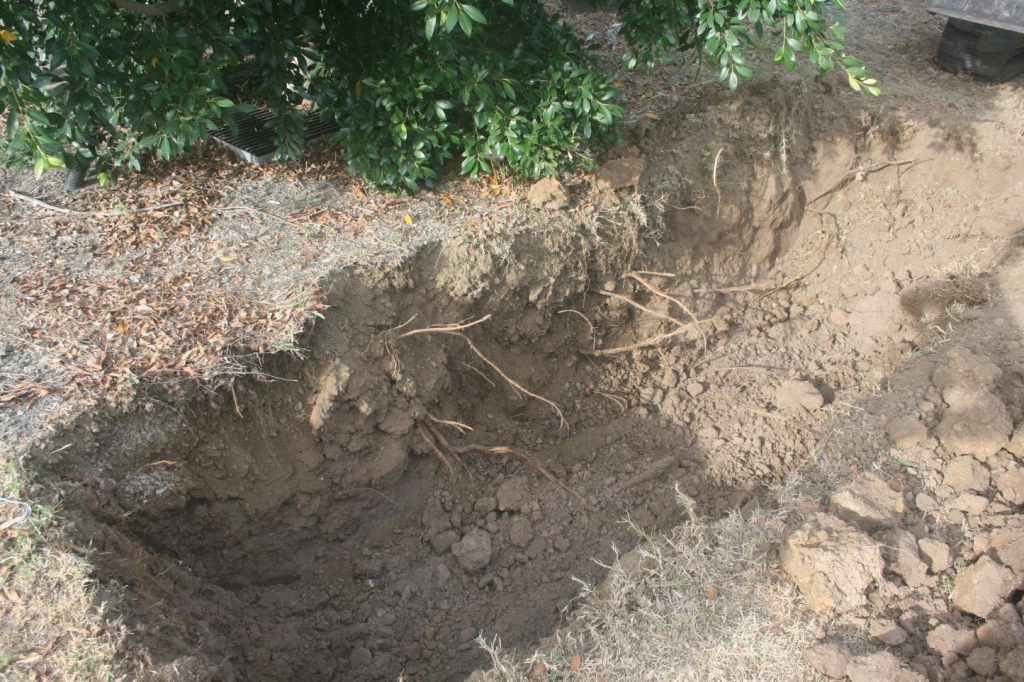
Trees growing in typical urban ‘tree boxes’ are usually surrounded by compacted soil. This often leads to the roots seeking out the space between the compacted soil and the overlying pavement, where air and water are present, which then causes footpath heaving as the tree roots push their way to the nutrients it wants.
At Citygreen we have over 30 years of experience designing, installing, and growing street trees around the world in all types of climates and environments. Learn the best practices and tools we use to grow trees faster and bigger with a free consultation with one of our Urban Greening Consultants
If the tree roots cannot expand into the surrounding soil, they continue to grow until they have filled up the available space.
When the tree’s needs for nutrients, air and water can no longer be met, the health of the tree will begin to decline and it will eventually die. Trees grown in these tight conditions rarely reach their full growth potential and cannot provide the full wide range of benefits that mature, healthy trees have to offer from environmental, air pollution, physical & mental health improvements, property prices, to shade & temperature reduction.
The average life span of a tree is very short in many of the big cities, when compared to the same species planted in their natural environment. Some cities have an average replacement cycle of 10 to 11 years. Most cities it’s 14 years, but it’s very, very short considering that the natural lifespan of some of those tree species is close to a hundred years in the natural environment. This continuing replacement cycle constitutes a massive cost for Local Governments, as well as a huge lost opportunity cost to the city and it’s residence.
Root of the Problem for Planting Urban Trees
There are many parts to a tree. They’re a complex and finely balanced living organism, which all needs to be taken into consideration as part of the design process. So we cannot ignore the below-ground part of a tree when designing for its long-term requirements In its natural environment, a tree has a large horizontal root structure supporting the canopy.
The analogy of a wine glass on a large flat plate has been used, with the large flat base beneath the stem, with the structure above. Via the roots, trees obtain nutrients from the soil, but the roots also need the oxygen and water that occupy voids between soil particles. In uncompacted soil, voids are abundant.
The availability of space for tree roots to develop is crucial to the tree’s ability to grow and stay healthy. In the natural environment, the roots of a growing tree will extend far into the surrounding soil to more than twice the width of the mature tree’s canopy. Everybody has some experience of a neighbour’s tree roots impacting service or foundation, a long way from the tree itself
The conflict between tree growth, and built structures
However, typically, the engineering demands of paved structures make it impossible to grow trees in cities. Pavements require structural support, which historically is concrete, or crushed stone, or road base compacted efficiently, and the small opening in the pavement for the tree is not sufficient to support that large root plate (similar to wine glass on a flat plate)
How to Plant Trees in Hard-surfaced areas?
For trees in hard-surfaced areas, a fundamental conflict exists between maximising the soil volume available for tree rooting while also providing a stable base for roads and pavements. If soil is treated as a structural material and required to bear the load of pedestrians, building and roadways, it will be consolidated to the point that air and water are excluded and insufficient space is available for roots to grow.
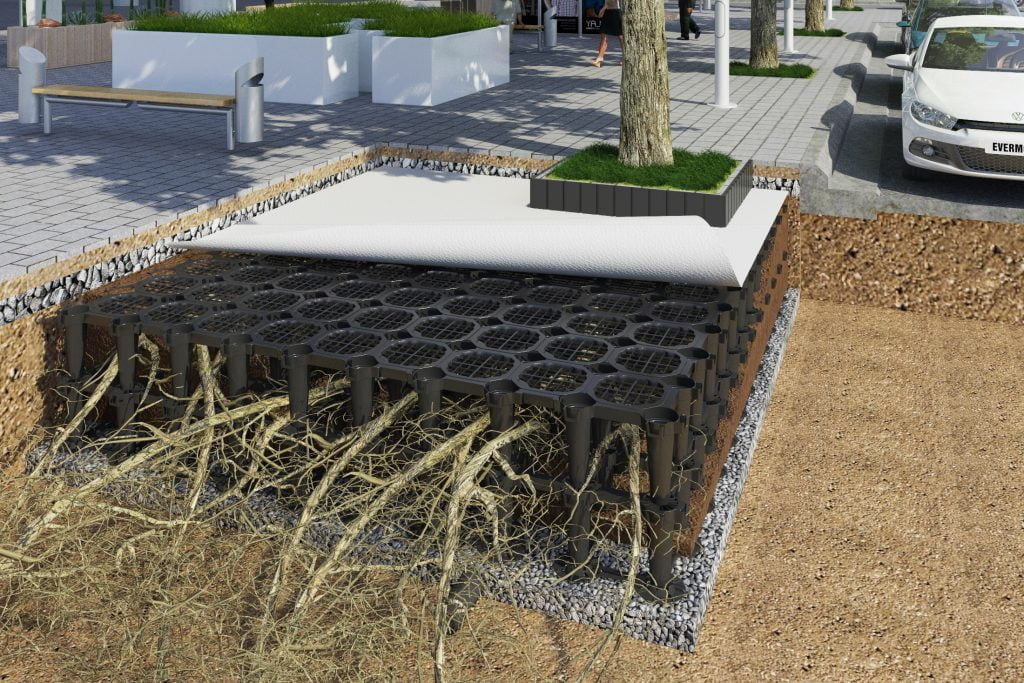
Citygreen has revolutionized how to grow trees in the urban environment by providing an interconnected matrix structure that increases soil volume for tree roots while providing a stable base for roads and pavements, whicrh allows trees to grow to maturity size without impacting services and utilities.
Are you a local government council, public space architect, town planner or property developer looking to transform your local community into a vibrant green space?
This can be a great initiative to make a real difference for the health of your suburb, the local citizens and the environment. However, these projects are often costly too.
Fortunately, governments often have certain financial grants available for sustainability projects like these.
So how do you apply for a government grant successfully?
What is a government grant?
A government grant is an application for the financial assistance given by the federal, state or local government to support a particular project.
There are grants available all over the world that can help finance your plan to build sustainable spaces. However, grants are funded by tax dollars, which means strict compliances and measures must be followed to make sure that the money will benefit the whole community.
This needs to be proven for your project to even be considered.
Being approved for a government grant is a huge deal because it means that your project will be contributing to the community.
However, there are a lot of requirements and paperwork that have to be prepared and submitted in order to apply. This process can be time-consuming and quite confusing at times, due to the requirements.
How can Citygreen help you apply for a government grant?
With strict standards on product choice, support networks, procedures, costings and proposals, attaining a grant from the government can be quite a difficult task.
But we’re here to help you.
At Citygreen, we have a team of government grant application specialists who can assist you with all the paperwork and processes, from compliance to analysis, costings and more. The added benefit is that working with a known brand like Citygreen means your project will include world-renowned products with high-quality sustainability ratings.
So, you don’t just have our assistance and expertise to help you apply for the government grant, but the products and proven green systems that we include will provide a highly compelling item to your submission.
Government grand case study: working with Citygreen
Here’s an example of a client that we helped with our grant application assistance.
Both our service as well as our products successfully secured a grant from the government. This project wouldn’t have proceeded without our assistance, and we’re so proud that we were able to help facilitate such a valuable project for the good of the local community.
Citygreen is passionate about helping you achieve your goals of protecting our planet with sustainable solutions. For quality government grant application services with state-of-the-art products, contact us today!
Posted by Ben Gooden on Mon, Oct 26, 2020 @ 1:05 AM
Value and worth are two very different things – and trees are a good example of a way to demonstrate their difference.
It only costs a little to plant a tree, but the value it provides to an area is almost immeasurable.
Trees even spare cities from spending a lot of money on different services that benefit the local residents and the overall well-being of the community.
What trees contribute to a city
More than half of the global population reside in urban city areas.
To determine the contribution trees make to these areas, a study was conducted by Dr. David Nowak of the USDA Forest Service, Scott Maco of Davey Institute and their team to find out what ecosystem services trees offer.
They found that the services trees provide for these megacities are (but not limited to) producing cleaner air and water, flood control, energy efficiency, shade and noise damping.
This should come as no surprise.
However, their systematic aerial surveys of 35 megacities showed that only 20% of the average urban area is covered by forest canopy. But this varied greatly among the cities. For example, in Lima, Peru is only 1% is covered by trees, compared to New York City which was 36%.
How much money do trees really save a city?
There is quite an amount of savings to be gained when forest canopies cover urban areas.
For one, the risk of healthcare costs from air pollution is decreased, saving $0.93 million per square kilometre. In addition, around $20,000 is saved by catching water runoff. Trees also contribute to energy savings worth $478,000 for heating and cooling.
Having trees in these megacities also stores around $242 million worth of carbon dioxide.
This makes the sum of all annual savings a median value of $967,000 per square kilometre of tree cover.
The study also showed that, for every dollar invested in planting, cities see an average US$2.25 return on their investment each year.
More trees, more savings
Trees provide both short and long-term benefits for human and nature’s well-being.
What tree canopy space does your city offer?
There are many effective ways to incorporate trees into urban spaces, including sidewalks, parking lots and recreational areas. Those cities that lack space can opt for potted shrubs which offer the same benefits as trees.
Citygreen’s mission is to turn urban areas into green spaces – but we understand that it’s not always easy to do this.
Fortunately, with our selection of sustainable products and green solutions, we can make the process of growing healthy (and highly valuable) trees in cities far more efficient – helping you save more and reap the benefits.
You may not realise it, but streetscapes are a part of our daily lives and their designs play an important role in our city experience.
In fact, streetscape designs affect not only the appearance – but more importantly, the functionality of an urban environment.
For that reason, it’s crucial that streetscapes are designed with careful planning and the expertise of professionals.
The 7 important factors to great streetscape design
There are a variety of streetscapes ranging from small to large.
The larger types are often seen in areas such as parkways and highways, where their designs are more focused on vehicles. The smaller types revolve around pedestrian streetscapes.
Here are the most important things to consider when designing a streetscape:
Ease of accessibility – A great design must allow for the ease of navigation and movement to provide access to the desired location.
The separation between vehicles and pedestrians – trees, low vegetation, planters, bollards or other elements provide effective dividers for all users.
Safety – As mentioned above, having separation is crucial to offer shelter. Moreover, crosswalks and parking spaces with visible signs, proper accessible spaces and curbs are big contributors to safety as well.
Space for lounging – There must be seats where people can relax and interact along the street.
Preserve the scenery – People should be able to view buildings, businesses or points of interest from the streets. This is critical for business success, especially in retail areas.
Landscaping – A good streetscape design for pedestrians uses low landscaping at a maximum of 18-24” tall with trees maintained at 6’ or above while keeping the middle area clear. This maintains views and ensures safety.
Distinct design – A unique space can be created with materials, brick paving, signage, lighting, landscape, markings, art pieces or even with trees to provide a sense of originality.
These are just some of the many factors to keep in mind when designing streetscapes. However, this is not easy and requires the assistance of industry experts.
Citygreen aims to turn every grey space into green, one streetscape at a time.
Recently, we worked on The O’Sullivan Road Streetscape Project to build a lush, vibrant and pedestrian-focused streetscape in the heart of the Glen Waverley Activity Centre.
With Citygreen’s Stratavault product, the City of Monash was equipped with the healthiest growing and thriving trees their city has ever seen.
To help you identify the ideal option for your city, here’s a quick comparison guide about soil cells and structural soil & sand.
What is Structural Soil?
Structural soil is a commonly used soil medium for tree planting that’s compacted under a pavement system to give structural support, creating only small void spaces for tree roots to grow. It’s made up of 80% gap-graded levels (crushed stones) and 20% soil.
Structural soil, consists of crushed stones or larger objects to help provide structural stability for the above urban load such as pavements and roads. So, structural soil leaves fewer minerals, void space and nutrients available to the tree as only 20% of the available ‘soil’ is actually useable by the tree.
As a result, urban trees planted in this type of soil often experience weak roots and restricted growth due to the limited availability of nutrients and inadequate space for root expansion.
Soil cells are purpose-designed urban landscape solutions that provide trees with optimal soil conditions for growth without compromising local underground infrastructure.
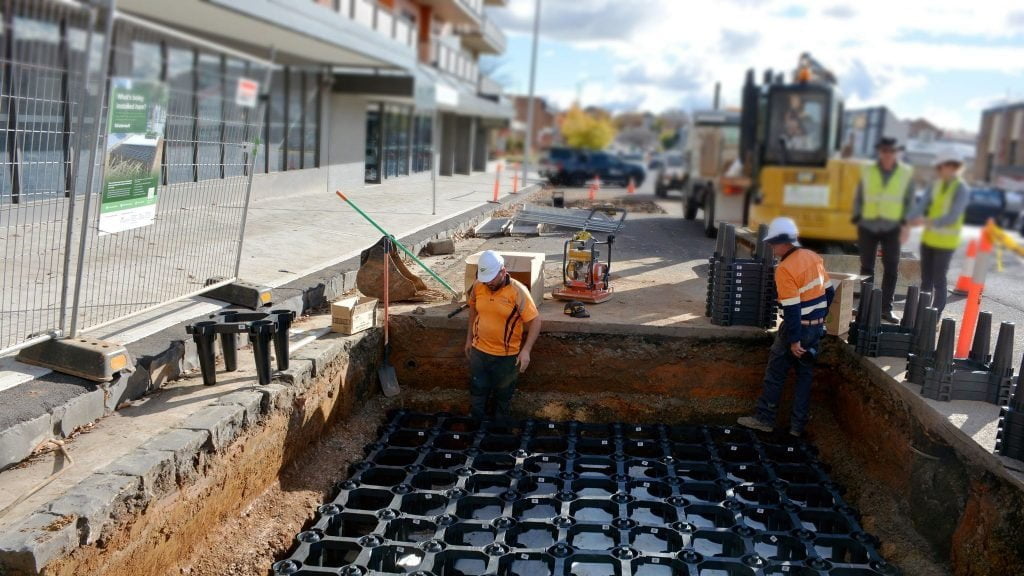
Stratavault, specifically designed for easy installation and load-bearing capacity, ensures stability under pavement, parking lots, and roads while offering ample space within its interconnected matrix design for uncompacted, high-quality soil to deliver healthy tree root expansion.
The matrix also allows the integration of underground services, making it a comprehensive solution for sustainable urban development.
Stormwater can be directed into the treepit, providing on-site water supply to the tree. The tree and soil work together to naturally filter the water, removing unwanted contaminants such as road pollutants.
Example design of stormwater runoff being directed into a stratavault treepit
Any excess water can be directed to a holding vault for later use, creating a circular environment of water use (Case Study), or time-gated for release into government utilities at a later date to help with capacity during high storm level events.
This integrated approach not only promotes sustainable water management but also enhances the overall environmental resilience of the urban landscape & the targeted water also helps to accellerate tree canopy growth by feeding water directly to the tree roots.
What are the Advantages of Soil Cells Compared to Structural Soil?
The use of soil cells in urban environments offers an array of advantages, with one of the most prominent being the substantial increase in “void space” allocated for high-quality soil to support tree growth. This concept of “void space” refers to the open areas within the soil cell system.
The soil cell matrix is designed to take the above weight load of urban infrastructure such as roads, pavements, carparks, etc off the tree and soil which reduces the overall stress on the tree and soil.
As the soil vault matrix bears the weight, we can fill the void space with uncompacted high quality soil specifically tailored to meet the unique needs of the trees.
Here’s an explanation on why this increased void space is so advantageous:
Enhanced Soil Quality: Soil cells provide an opportunity to replace this subpar on-site soil with a high-quality growing medium. This soil is carefully selected or engineered to provide optimal conditions for root development, water retention, aeration and nutrient availability.
Ample Root Space: Trees need space to spread their roots to establish a stable foundation. The increased void space in soil cells allows for extensive root growth, enabling trees to access the oxygen, nutrients and water they require to thrive. Lack of soil compaction also helps accelerate tree growth as less energy is needed for tree roots to push through the soil as it explores for new sustenance. This will create healthier, resilient trees that are better equipped to withstand urban stresses.
Improved Longevity: Space is a huge complication when planning trees in urban spaces. The lack of space allocated to trees is one if the main factors in their high mortality rate in urban areas. Soil cells treepits are designed with the trees maturity in mind. This way, tree roots will have sufficient soil and space to grow for decades.
Stormwater Management: Soil cells also play a crucial role in stormwater management. The void space allows rainwater to percolate into the soil rather than becoming surface runoff. This not only replenishes the tree’s water supply but also reduces the risk of flooding and soil erosion in urban areas.
Video Comparison: Tree Growth of Structural Soil Cell vs Structural Soil Planting Methods
Below is a video from our Mill Woods parking lot case study which highlights the growth difference of trees planted at the same time.
What are the cost differences between Structural Soil and Soil Cells?
The cost difference between structural soil and soil cells can vary based on several factors, including project size, location, product choice, and installation requirements. Generally speaking, here are some key cost considerations for both options:
Structural Soil:
Structural soil involves blending soil with aggregates like crushed stone, large rocks or gravel to create a load-bearing medium.
The cost of structural soil includes soil materials, aggregates, transportation, and labor for mixing and installation.
Usage soil available to the tree is vastly lower.
Excavation and preparation of the planting area may be necessary, adding to the overall cost.
Initially, Maintenance costs are lower, but you leave yourself open to tree roots exploring and damaging surrounding infrastructure which becomes costly over the lifetime of the tree.
Soil Cells:
Soil cells are modular systems that provide high quality uncompacted soil volumes for tree roots within a matrix that can be designed to site specifications.
The cost includes the price of soil cells, soil, installation labor.
Excavation and site preparation more extensive compared to structural soil.
Lifetime cost to the tree and surrounding infrastructure is lower as tree roots are contained and reduce pavement heave.
While structural soil may seem cheaper upfront, planting a tree in a pit that isn’t right for its surroundings can lead to higher maintenance costs over time. If we don’t carefully match the tree’s needs, soil conditions, and space, its roots might struggle to grow. This can mean slow growth, a smaller canopy, and more susceptibility to pests and diseases, all requiring expensive remedies.
And that’s not all – surrounding infrastructure like sidewalks, roads, and utilities can suffer when roots can’t spread properly. This can lead to cracks, upheaval, and damage, which ends up costing more to fix than what you saved with the initial lower cost of structural soil.
Investing in systems like soil vault systems such as stratavault that support healthy root growth will pay off in the long run. These designs offer enough space for roots to access water and nutrients, promoting strong tree development. The result? Less upkeep, reduced infrastructure issues, and a longer, healthier life for the tree which will bring it’s benefits to the community quicker.
Aspect
Structural Soil
Soil Cells
Tree Growth
Stunted growth, reduced canopy development, susceptibility to pests
Robust growth, healthy canopy, improved pest resistance
Tree Health
Increased stress due to lack of soil, Vulnerability to diseases, increased need for interventions
Enhanced overall health, strong root development, reduced need for interventions
Infrastructure Impact
Upheaval of Sidewalk, road, underground utility damage due to root pressure and growth
Reduced infrastructure damage, minimized maintenance costs to city infrastructure
Maintenance Costs
Frequent pruning, fertilization, pest management, Early Replacement of trees
Lower maintenance costs, fewer interventions
Longevity
Shorter lifespan due to compromised health from lack of nutrient soil
Longer tree lifespan, sustained ecosystem benefits
Initial Savings vs. Long-Term Costs
Lower upfront cost savings overshadowed by expanded maintenance expenses
Higher upfront investment justified by long-term cost-effectiveness
Supporting Systems
Lack of proper systems to facilitate root growth and support.
WSUD systems ensure healthy root development and sustained growth
Overall Benefit to Urban Environment and Sustainability
Negatively impact urban green spaces and ecosystem services
Positively contribute to urban environment, stormwater management
The cost difference will depend on project-specific factors. It’s recommended to consult with our landscape professionals to get accurate cost estimates tailored to your project’s needs. Additionally, consider the long-term benefits of each option, such as improved tree health, stormwater management, and urban resilience, when evaluating their cost-effectiveness.
For years, Citygreen has invested in research and innovative development initiatives to explore the challenges, the causes of failure and the reasons for the premature mortality of urban trees.
Through it, we created effective soil vault systems that serve as the most viable solution to help build greener cities.
Soil is composed mainly of elements like water, minerals, nutrients and gases.
Different types of soil vary according to texture, colour, depth, acidity, fertility and ability to hold water. Because each tree species has different needs, it’s crucial to know what kind of soil they require to grow – if you want the best results.
To help familiarise yourself with the varieties of soil, here are the most common types of soils you need to remember:
Chalky – a stony type of soil that can be found on top of limestone or bedrock
Clay – a tightly packed soil that is often lumpy and sticky when wet
Sandy – dry and loose soil base that has a rough texture
Silt – smooth, slippery kind of soil that is composed of fine particles
Peaty – contains a great amount of organic matter due to its acidic nature
Loamy – the best soil for planting, as it’s full of nutrients and can hold water well
Why is Loamy Soil the Best?
Loamy soil stands out as an optimal choice for trees due to its unique blend of qualities that foster robust growth. Its balanced composition—a blend of sand, silt, and clay—provides an uncompacted environment for tree roots. Loamy soil offers excellent drainage, preventing waterlogging that can drown roots, while retaining enough moisture to sustain trees during dry spells. Moreover, loamy soil is rich in essential nutrients, supporting healthy tree development by efficiently absorbing and storing vital minerals. Its texture facilitates superior aeration, preventing compaction and enabling roots to spread easily, reducing the amount of energy the tree needs to use to push new root growth through the soil ensuring strong anchorage and encouraging healthy root systems. The versatility of loamy soil accommodates a wide variety of tree species, making it an excellent choice for nurturing flourishing trees.
However, while loamy soil is generally advantageous for tree growth, different tree species may have specific soil preferences. Factors like climate conditions, sunlight exposure, and adequate care significantly impact a tree’s health and growth.
At Citygreen we do on-site soil analysis for any new plantings and can offer you soil specifically designed for the tree and site location. This ensures that the tree is planted in the best possible circumstances to kickstart canopy growth.
Why is Soil Quality Important for Tree Health?
The soil you use can either nurture or restrain your trees’ growth because soil performs a lot of essential functions. Here are the five reasons why soil is important for trees:
Soil provides a foundation for tree growth.
Soil serves as the anchor that holds trees firmly in place. It provides structural stability, preventing them from toppling over in adverse weather conditions. The composition and texture of the soil determine how well it can support a tree’s weight and ensure it remains upright throughout its life.
Soil stores the necessary amount of water for trees.
Soil acts as a reservoir for water, which is crucial for a tree’s survival and growth. It stores rainwater and moisture, making it available to tree roots during dry periods. This stored water ensures that trees can continue photosynthesis and nutrient uptake even when external water sources are scarce.
Soil Hosts Biodiversity.
Soil is a vibrant ecosystem teeming with life. It provides habitat for various organisms, from earthworms to beneficial microorganisms. This biodiversity is essential for soil health and indirectly benefits trees by enhancing nutrient cycling, improving soil structure, and promoting overall soil vitality.
Soil supports the trees’ roots in accessing nutrients and minerals.
The root system of a tree relies on the soil to access essential nutrients and minerals. These nutrients are found in the soil in various forms, and the tree’s roots play a vital role in absorbing and transporting them to different parts of the tree. Adequate soil composition is crucial to ensure that trees receive the nutrients they need to grow and thrive.
Soil filters out the pollutants that can harm trees.
Soil serves as a natural filter, removing harmful pollutants from water before it reaches a tree’s root system. Pollutants, such as heavy metals or chemicals, can be detrimental to trees if they enter their vascular system. The soil acts as a protective barrier, purifying water and ensuring that only clean, nutrient-rich water is available to the tree’s roots.
In urban locations where healthy soil is not abundant or tightly compacted to ensure stability for urban infrastructure, it’s important to ensure that trees are planted with the appropriate soil structure to compensate – often called the “architecture of the soil.”
Having the right soil architecture guarantees that there is proper arrangement of soil particles (including silt, sand and clay that aggregate together). It also involves measuring the correct pore spaces between each tree, which enables their roots to propagate without causing any structural pavement damage.
“Great customer service, quick response times and a very in depth QA system with constant support.”
- Laura Wiesenekker, Project Engineer, Densford Civil -
“Citygreen is a very professional business, and I found everything was great in terms of deliveries, product supply and information. It was all forthcoming and helped us to complete the project.”
- Keith Burns, Architect/Designer, Keith Burns Architect -
“Citygreen offered training and invaluable technical assistance during the works.”
- James Callan, Estimating Manager, Complex Co Pty Ltd -
“Our experience, in working with a Citygreen Design Studio was second to none. We found responses from the design studio to be very timely, and technically thorough. We went backwards and forwards a number of times, looking at different iterations of the design and, nothing was too much trouble to examine and explore different possibilities. I would highly recommend the Citygreen Design Studio to any future client considering using your services.”
- Sandra Smith, Principal Landscape Architect, City Of Monash -
“We are big on compliance on all projects, and the fact that their SmartCertify cloud platform covers all bases, and supports their 20 year warranties, is critical – especially that these pits are being installed under roadways and footpaths.”
- Johny Purkaystha, Civil Program Engineer, Central Coast Council -
"I reviewed all the previous projects that we have installed in the past couple years using your product and I can happily report back that we have 0% mortality in the soil cells, which is incredible!"
- Brendan Wilton, CEO, Trim Landscaping, Bedford, Canada -