Structural soil is used in the world of urban landscaping, particularly for urban tree-planting projects. With its unique composition, structural soil plays a crucial role in providing a supportive environment for tree roots to thrive in challenging urban environments.
Structural soil is a specially engineered soil mixture designed for two distinct purposes;
Provide a solid structural foundation for the surrounding urban infrastructure.
Give trees access to nutrient soil in tricky urban environments.
Structural soil is not your typical soil blend— It’s made up of 80% gap-graded materials (crushed stones, etc) and 20% soil. Structural soil is generally compacted under a pavement system like a road or footpath to give structural support, creating minimal void spaces to ensure strength for the above and surrounding infrastructure.
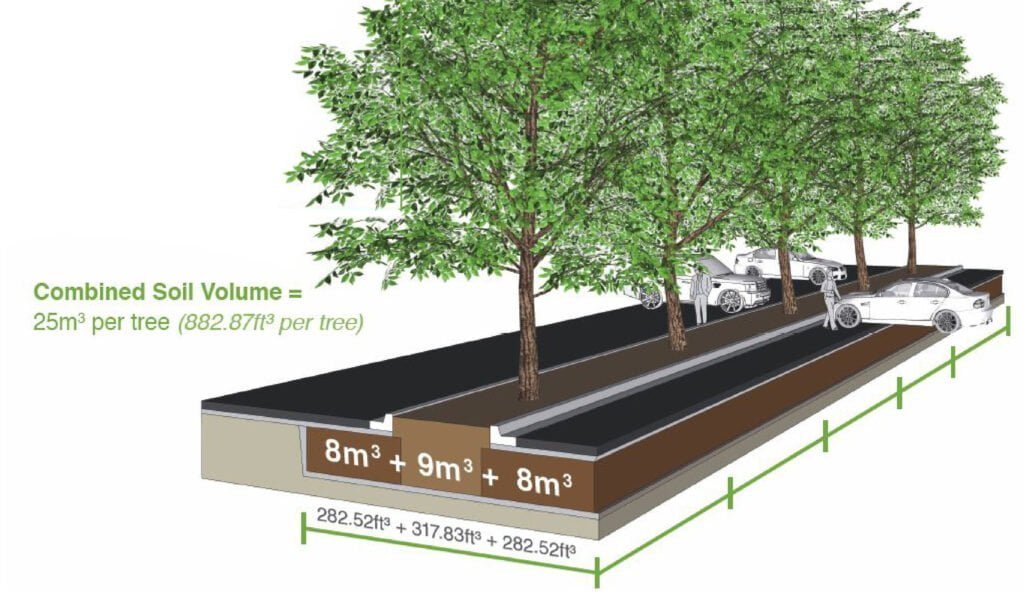
Difference in soil volume between structural soil & a soil vault
As highlighted in the graphic above the 'void space' shows the space available for soil that trees can actually use. When comparing Structural soil to soil vault systems(soil cells) such as Stratavault we see the dramatic difference in available soil. This is one of the key reasons soil vault systemsgrow high-quality and larger trees in a shorter time.
Is Compacted Soil Good for Tree Growth?
No, Tree roots will only grow where they have access to nutrients and water. Compacted soil is detrimental to tree root systems due to the lack of void space. Void space in soil allows for water and oxygen to trickle down and feed the tree roots. Void space is also needed for tree roots to grow and explore, in highly compacted soil conditions the tree root has to expend extra energy to push through the compacted soil in search for water and nutrients. We commonly see this impacting roads and sidewalks where the tree roots heave the pavement causing damage and safety concerns for the community.
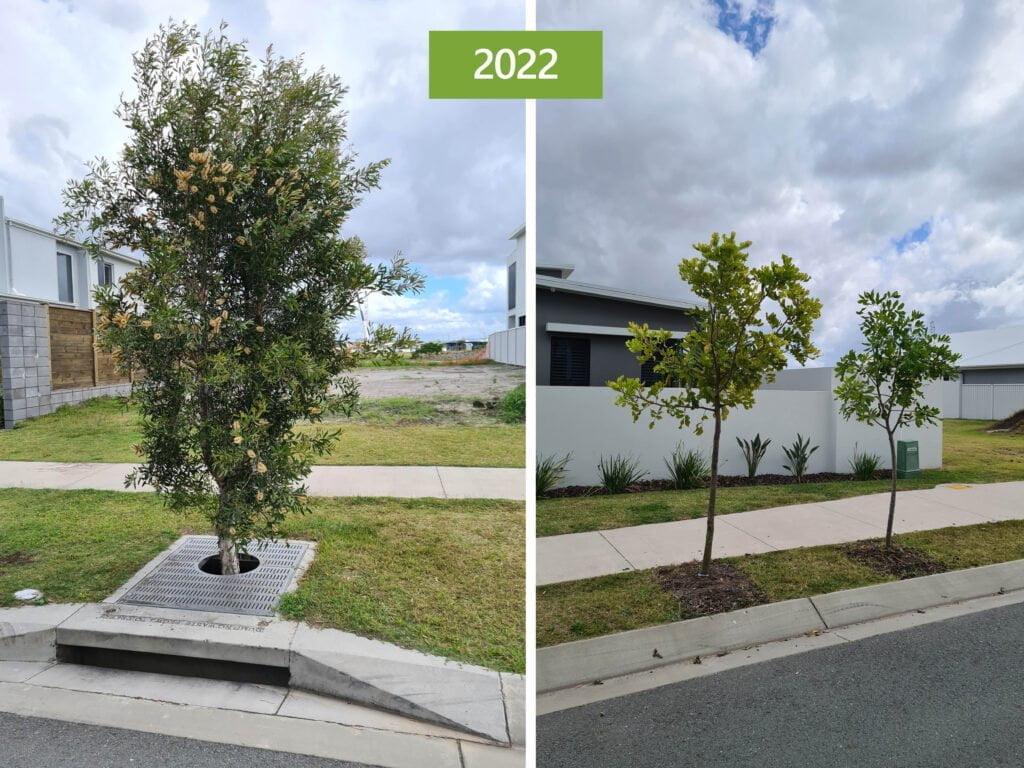
In a 10-year time lapse comparing trees planted simultaneously, we observe that the tree canopy of trees planted in Stratavault vastly outperformed the tree canopy of trees planted in structural soil.
What is CU-Structural Soil?
CU-Structural Soil, a patented soil mix developed by Cornell University’s Research Foundation, is engineered to foster tree root growth while bearing the load of pavements, roads, and urban infrastructure. This specialized blend offers a slightly expanded rooting area for urban street trees, effectively reducing tree mortality rates and preventing sidewalk failure due to compaction issues. For detailed insights into CU-Soil's research and application, refer to this link.
This soil mix allows for root expansion while prioritising necessary load-bearing capacity to support sidewalks and pavements, being compacted to 100% peak density. With CU-Soil, tree roots thrive, accessing vital nutrients and water without compromising the structural integrity of urban infrastructure.
Scientific studies confirm the efficacy of CU-Soil, showcasing somewhat enhanced tree health and longevity compared to conventional planting methods. Additionally, CU-Soil's contribution to LEED certification makes it a sustainable choice for projects.
Grow Better Trees with Stratavault
stratavault with raised foot plates
Stratavault is a structural soil vault system designed to support the above weight of urban infrastructure such as roads, pavement, parking lots, etc and provide void space that can be backfilled with high quality uncompacted soil which increases the growth rate of trees in urban environments.
Download our specifier tech sheet to understand the engineering and environment benefits that using soil cells has in creating urban greenery.
Structural Soil Benefits
Structural soil was once the standard for planting trees in urban environments due to its ability to sustain healthy tree growth in challenging urban conditions when compared to fully compacted soil used in urban settings. By providing a stable foundation and some room for root expansion, it allows trees to establish themselves, withstand urban stresses like foot traffic, road traffic, and compacted soils, and ultimately grow in environments where traditionally highly compacted soil was used.
Here are some key advantages:
Enhanced Root Growth: Structural soil provides a slightly improved environment for root development when compared to traditional planting. The larger coarse components in the soil create open spaces that allow roots to penetrate and expand, promoting healthy root growth. This leads to stronger, more stable trees that can better withstand environmental stresses.
Improved Soil Drainage: Traditional compacted soils in urban areas often suffer from poor drainage, leading to waterlogged conditions that are detrimental to tree health, and the safety of the community. Structural soil, with its coarse composition, facilitates better water drainage, preventing excess water from accumulating around the roots. This helps prevent root rot and ensures a well-aerated root zone.
Somewhat Increased Soil Volume: Urban spaces are typically limited in soil volume available for tree roots. Structural soil addresses this challenge by providing a higher volume of soil in a given area. The combination of coarse and fine components(rocks) allows for a greater amount of soil within the same space, providing more room for root expansion and nutrient uptake.
Soil Compaction: Urban areas often experience soil compaction due to heavy foot traffic and construction activities. This compaction restricts root growth and limits the availability of oxygen and water. Structural soil, designed to mitigate total compaction, helps reduce the issue by maintaining its structural integrity even under pressure.
Longevity and Sustainability: Structural soil is engineered to be durable and long-lasting, providing a stable growing medium for trees over an extended period. Its composition promotes long-term soil health and reduces the need for frequent soil replacement. This sustainable approach contributes to the overall longevity and sustainability of urban landscapes.
By utilizing structural soil for urban tree planting, city planners, landscape architects, and arborists can create better outcome from trees when compared to the traditional way trees of planting trees in urban settings.
Types of Soil used in Urban Settings
When it comes to structural soil, there are various types available, each with its own unique characteristics and applications. Understanding the different options can help you make an informed decision based on the specific needs of your urban planting project. Let's explore some of the common types of structural soil:
Engineered Structural Soil: Engineered structural soil is a specially designed blend of coarse aggregate materials, such as crushed stone or gravel, combined with soil components. It is engineered to provide both structural support and ample soil volume for tree root growth. This type of structural soil is often used in sidewalk planters, tree pits, and other confined urban spaces.
Manufactured Soil Mixes: Manufactured soil mixes are custom-blended soil formulations that incorporate specific proportions of sand, compost, loam, and other organic materials. These mixes are designed to meet the requirements of urban tree planting, offering improved drainage, nutrient availability, and root penetration. Manufactured soil mixes are often used in larger-scale landscape projects where more flexibility in soil composition is desired.
Factors such as space constraints, project requirements, and desired outcomes will influence your choice. Consulting with landscape professionals or arborists can provide valuable guidance in determining the ideal structural soil solution for your specific needs.
How to Successfully Install Trees
Proper installation is crucial for creating a supportive environment that promotes healthy root growth and long-term tree vitality. Here are some practical tips to guide you through the installation process:
Site Preparation: Before installing structural soil, it is essential to prepare the planting site properly. Start by removing any existing pavement, debris, or compacted soil that may hinder root growth. Excavate the area to the recommended depth, ensuring sufficient space for the structural soil and the tree's root ball.
Soil Layering: When installing structural soil, it is common to layer it with different materials to maximize its effectiveness. Begin with a layer of uncompacted gravel or crushed stone at the bottom of the planting hole. This layer serves as a drainage system, preventing water from accumulating around the tree's roots. Above the gravel layer, add the structural soil mixture, ensuring it is evenly distributed and adequately compacted.
Root Ball Integration: During the installation process, it is crucial to properly integrate the tree's root ball with the surrounding structural soil. Gently place the tree in the center of the excavated hole, making sure the root collar is at or slightly above the surrounding grade. Gradually backfill the hole with the structural soil mixture, firmly but not excessively compacting it around the roots. Be careful not to damage or disturb the roots during this process.
Mulching and Watering: Once the structural soil and tree are properly installed, apply a layer of organic mulch around the base of the tree. Mulch helps retain moisture, suppresses weed growth, and regulates soil temperature. Be sure to leave a small space around the tree trunk to prevent moisture buildup. After mulching, thoroughly water the tree to settle the soil and provide initial hydration. Follow recommended watering practices to ensure the tree receives adequate moisture during its establishment period.
Ongoing Care and Maintenance: After installation, ongoing care and maintenance are crucial for the long-term health of the tree. Regularly monitor soil moisture levels and adjust watering accordingly. Implement a proper pruning and fertilization regimen to support tree growth and vitality. Conduct periodic inspections to identify any signs of stress, disease, or pest infestation, and take prompt action as needed.
By following these installation guidelines and providing ongoing care, you can optimize the benefits of structural soil and create an environment where trees can thrive in urban settings. Remember, the establishment period is critical for the tree's survival, so attentiveness and proactive maintenance in the beginning stages of it's planting are key.
Interested in upskilling your team in how to design soil volumes for trees in urban areas?
Growth Comparison of the same tree using Stratavault soil cell system.
The Future of Soil for Urban Tree Planting
While Structural soil brings a multitude of benefits to urban tree planting projects it is no longer the best way to support healthy tree growth in hardscape urban environments. Soil Vault systems (soil cells) are a new technology rising in popularity around the world and case studies of plantings are starting to show the growth and environmental benefits using a soil vault system such as Stratavault have on improving the outcomes of trees in urban spaces. It's matrix design contribute to the long-term health and vitality of trees in challenging urban environments.
What are the significant advantages that soil vault systems provide:
Enhanced Root Growth: One of the primary benefits of soil vaults is its ability to promote robust root growth. The open structure and ample void space within the soil matrix allow tree roots to penetrate deeply and spread extensively. This leads to stronger root systems, improved stability, and enhanced nutrient and water uptake.
Reduced Soil Compaction: Urban environments often suffer from soil compaction due to heavy foot traffic, construction activities, and vehicle loads. soil vault systems addresse this issue by offering a low-compaction solution that supports healthy root growth. The 100% recycled engineered matrix design takes the structural load of the above infrastructure(not the soil or tree), providing a supportive environment for trees to establish and thrive.
Improved Drainage: Proper drainage is essential for preventing waterlogged soil, which can be detrimental to tree health and can result in tree death. Soil Vaults systems are designed to include a layer of compacted gravel or crushed stone with supported drainage under the vault. When water enters the soil vault to nourish the tree, any excess water will flow out from the bottom of the vault and be directed into the supported drainage. This excess water can then be channeled into the city's infrastructure or nearby irrigation systems.
Ample Soil Volume: Urban tree planting often faces space constraints, with limited soil volume available for root growth. Soil vault systems such as Stratavault solves this problem by providing a calculated soil volume within a structural matrix. The increased soil volume offers more room for root expansion and nutrient absorption, promoting healthier and more vigorous tree root growth at maturity.
Longevity and Durability: Soil Vault Systems are designed to withstand the rigors of urban settings and has excellent longevity and durability. The engineered structural matrix ensures stability and strength, even under heavy traffic or pedestrian loads. This means that trees planted in soil vaults with adequate maintenance tree programs can thrive for an extended period, providing long-lasting beauty, shade, and environmental benefits.
Stormwater Management: Another noteworthy benefit of soil vault systems are their contribution to stormwater management. The soil vault structure allows for the infiltration and storage of rainwater, reducing runoff and helping to mitigate urban flooding by ensuring that the water is used in the environment that it fell. This environmentally friendly feature promotes sustainable water management and supports the overall health of urban ecosystems while also reducing the burden on city infrastructure in a cost effective way.
Flexibility and Adaptability: Soil Vault Systems are a versatile solution that can be customized to meet the specific requirements of different tree species and project site conditions. As soil vaults such as stratavault are modular it can be tailored to accommodate variations in project space, drainage needs, and root space requirements. This adaptability makes it suitable for a wide range of urban planting scenarios, from streetscapes and sidewalks to plazas and parks.
By harnessing the benefits of soil vaults, urban tree planting projects can overcome the challenges associated with limited space, soil compaction, and inadequate drainage.
Soil's structural grade is a critical factor that determines its ability to support healthy plant growth and overall ecosystem vitality. Whether it's in urban gardens or rural landscapes, the soil's structural grade influences water retention, drainage, aeration, and nutrient availability. A well-balanced soil structure fosters strong root development and contributes to the long-term sustainability of plants.
Several factors influence the structure grade of soil. These include:
Organic Matter Content: The presence of organic matter, such as compost or decomposed plant material, greatly influences soil structure. Organic matter helps create aggregates or clumps within the soil, improving its overall structure and porosity.
Particle Size Distribution: The distribution of different-sized soil particles affects the soil's ability to form aggregates. A balanced mixture of sand, silt, and clay particles can enhance the soil's structure by creating spaces for air and water movement.
Soil Compaction: Soil compaction, caused by human activities or natural processes, can negatively impact structure grade. Compacted soil lacks pore space, restricting the movement of air, water, and root growth. It is essential to address soil compaction issues before planting trees to ensure optimal structure grade.
Soil Moisture: The moisture content of soil plays a role in structure grade. Excessive moisture can lead to soil compaction, reducing pore space and affecting overall structure. On the other hand, adequately moist soil promotes the development of desirable soil aggregates.
Impact of Soil Structure Grade on Tree Health and Growth
Trees planted in soils with optimal structure grades are better equipped to establish strong root systems, access essential nutrients, and effectively manage water. Conversely, poor soil structure can hinder root development, leading to inadequate nutrient uptake and compromised water drainage.
The structure grade of soil significantly influences tree health and growth. Here are some key impacts:
Root Penetration: Soil with a favorable structure grade allows tree roots to penetrate deeply and spread widely. This enables the roots to access essential nutrients, water, and oxygen, supporting healthy root development and overall tree vitality.
Water Drainage: Soil with good structure grade facilitates proper water drainage. It prevents waterlogging, which can lead to root suffocation and the development of root diseases. Effective drainage ensures a healthy balance of soil moisture, promoting optimal tree growth.
Nutrient Availability: Well-structured soil provides a favorable environment for nutrient availability and uptake. The presence of aggregates allows roots to explore a larger soil volume, accessing a greater pool of nutrients essential for tree growth and development.
Soil Aeration: Adequate soil structure promotes air circulation within the root zone, ensuring sufficient oxygen supply to tree roots. Oxygen is vital for various physiological processes, and a well-aerated soil environment supports healthy root respiration.
By understanding the concept of structure grade in soil and its significance, tree planters can make informed decisions when selecting and preparing soil for tree planting projects.
While understanding structural soil is key to promoting healthy tree growth in urban environments. By incorporating the right soil composition and ensuring an optimal structure grade, we can provide trees with the necessary conditions for ideal root development, efficient water drainage, nutrient availability, and adequate soil aeration. The use of soil vault systems, such as the Citygreen soil vault system, offers innovative solutions that improve the quality of urban tree outcomes and contribute to the long-term success of tree planting projects.
Remember, when working with structural soil, consider the specific needs of the tree species, the requirements of the project, and the site conditions. Adjusting the soil ingredient mixture accordingly and following a performance-based approach to soil specification can yield excellent results. Addressing factors such as organic matter content, particle size distribution, soil compaction, and moisture levels can greatly influence the structure grade and overall health of the trees.
By prioritizing the use of quality soils and implementing innovative support structures, create sustainable urban landscapes that benefit both the environment and the community. Investing in the health of our street trees and urban forests not only beautifies our surroundings but also contributes to cleaner air, improved stormwater management, and enhanced quality of life.
Book a Consult with our team to learn how you can use a soil vault in your project.
See Stratavault in action at Green Spine
Stabilising Structural Soil
Different Ways of Providing Uncompacted Soil for Trees
At Citygreen, we believe that trees can help to alleviate the impacts of climate change, but first, we need to get them in the ground, so they thrive in our communities.
Planting trees in our bustling cities is no easy feat. The idea that you can plant a tree into a sidewalk or verge and hope that it will survive on its own during these erratic weather seasons we now face is an idea that has now been conclusively abandoned.
So what tree management options are available to ensure trees in urban settings have the best chance to grow into productive life long assets?
At Citygreen, we believe that planting trees using an adequately designed root management system is a small cost compared to the time and labour needed to replant trees and landscapes after premature death or removal due to infrastructure damage.
What is a Root Director?
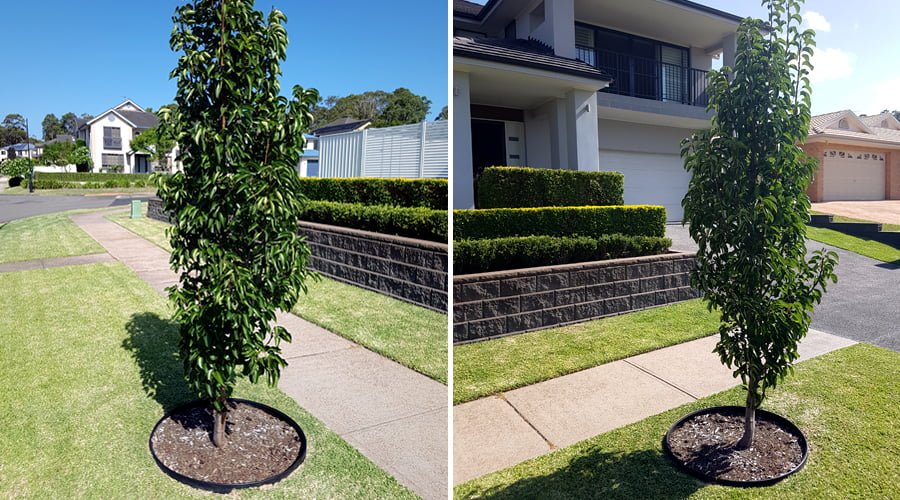
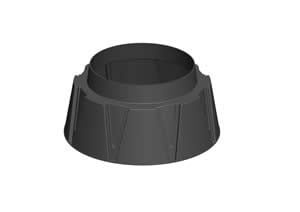
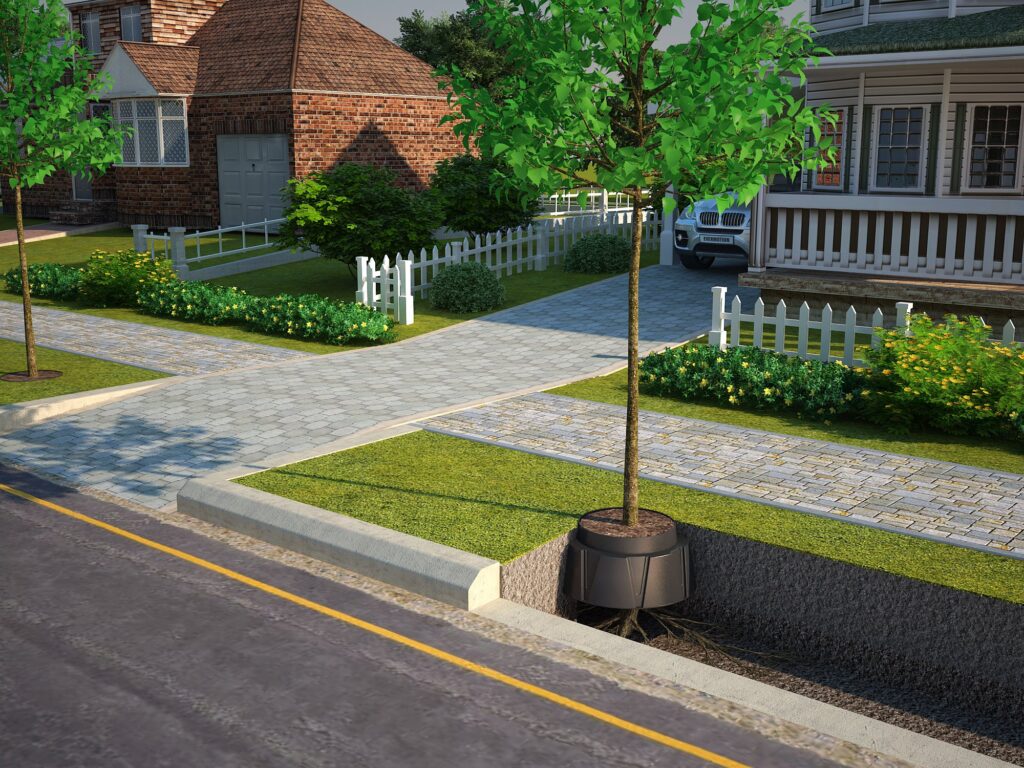
Root Director is a circular root management device designed to prevent root swirl and divert root growth downward and outward away from surround urban infrastructure such as roads, and pavements. The root director sit over the trees rootball and encourages controlled root growth, which enhances the tree’s growth and overall longevity and stability.
Root Director pictured above.
Why you should use a Root Director for your next Tree
Rendering of a planted root director
This innovative solution provides numerous benefits that support optimal tree growth and overall tree well-being. Here’s why you need a root director for your trees:
Enhanced Root Guidance:
A root director directs the growth of tree roots downwards directly from the root ball, guiding them away from potential obstacles such as utilities, sidewalks, or structures. This ensures that roots can expand freely in a controlled manner, reducing the risk of damage to infrastructure and promoting healthy root development.
Improved Nutrient and Water Uptake:
By directing the roots towards nutrient-rich soil and water sources, a root director optimizes the absorption of essential nutrients and moisture by the tree. This results in improved tree health, increased resistance to stressors, and enhanced overall growth.
Prevents Root Circling and Girdling:
Without proper guidance, tree roots may start circling or girdling around the tree’s own trunk, leading to restricted water and nutrient flow and eventually compromising the tree’s stability and health. A root director prevents such issues by redirecting the roots outward, promoting a strong and well-structured root system.. Related: How to Manage Tree Roots
Preserves Landscape Design:
In urban and landscaped areas, maintaining the intended design and aesthetic appeal is crucial. A root director allows trees to grow in a more controlled manner, preserving the desired landscape design while ensuring the trees’ long-term health and structural integrity.
Long-Term Tree Care:
Incorporating a root director as part of your tree care strategy promotes proactive and sustainable tree management. It helps minimize the need for root pruning or disruptive maintenance practices in the future, saving time, effort, and costs associated with tree care.
Investing in a root director is a proactive measure that supports the vitality and longevity of your trees. By guiding root growth and providing essential benefits, it’s a valuable tool for maintaining healthy, robust trees that contribute to the beauty and sustainability of your landscape.
Deeper and healthier root growth means the trees can access more subsoil moisture during dry periods. During wet periods, the roots have a greater and deeper span to find available oxygen in waterlogged soils.
Also, if tree roots are not directed downwards, they will grow horizontally and cause issues to other infrastructures like pipes and sidewalks.
An article published online by editor and writer Melissa Denchak highlighted some shocking stormwater statistics coming out of America. Denchak stated that ‘an estimated 10 trillion gallons of untreated stormwater runoff, containing everything from raw sewage to trash to toxins, enters U.S waterways from city sewer systems every year, polluting the environment and drinking supplies… [with] runoff causes significant flooding as well.’ (Denchak 2022).
Table of Contents
Denchak described the ‘U.S Environmental Protection Agency (EPA) estimates that upgrading the stormwater and other public water systems will require at least $150 billion in investment over the next two decades.
This problem is not unique to the U.S, it is a problem all over the globe. The question is, how do we address the issues caused by stormwater runoff?
In this article, Citygreen will argue that green infrastructure offers a cost-effective solution to handling flooding and stormwater pollution.
To start, let’s break down the basics.
Why is Green Infrastructure Important for Managing Stormwater?
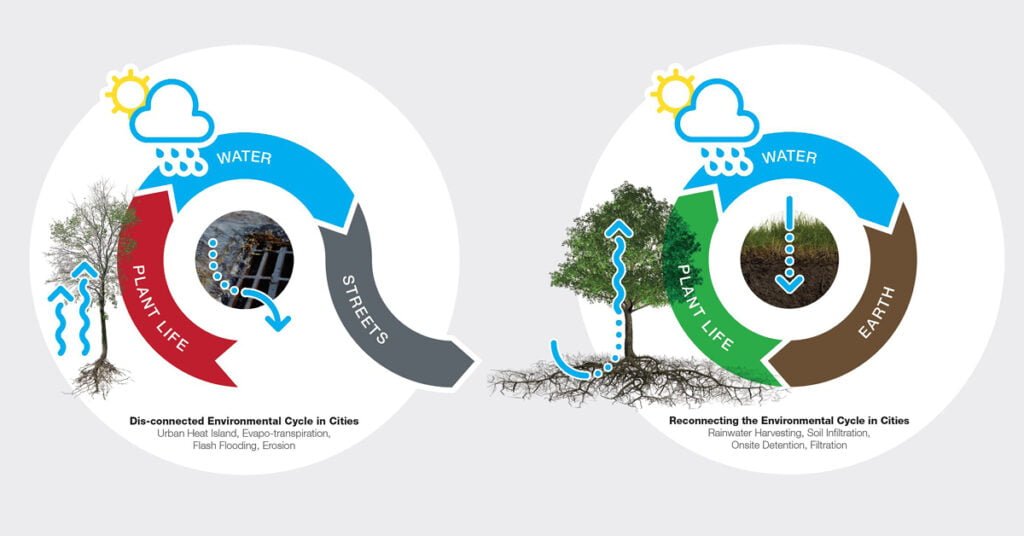
Green infrastructure sets out to replicate the circular economy of the natural environment. Attempting to mirror the efficient and self-renewing processes found in nature.
In urban settings, green infrastructure encompasses a variety of water management practices, such as treepits, planted verges, bioretention pits, swales and other measures that capture, filter, and reuse stormwater. Essentially, green infrastructure replicates natural hydrological processes using soil and plants to slow down, recycle and clean stormwater runoff.
What is Stormwater Runoff?
Stormwater runoff is the product of a rain event causing water to flow across the land into sewers and waterways. With the expansion of our bustling cities and the widening sprawl of our urban areas, there are more impermeable surfaces than ever, increasing the intensity of stormwater runoff.
According to Denchak, ‘the average city block can generate more than five times as much runoff as a forested area of equal size’ (Denchak 2022).
What is an Example of a Successful Green Infrastructure Project?
Denchak proposed that New York’s Staten Island Bluebelt was the ‘first and largest green infrastructure project in the U.S.’ A rapid increase in population size saw the Island struggling to deal with sanitary waste and stormwater runoff.
The Bluebelt project ‘helped solve these issues by preserving streams, wetland areas, and other drainage corridors (Bluebelts) that use natural mechanisms to capture, store, and filter stormwater’ (Denchak 2022). Nowadays, the Bluebelt comprises more than 14,000 acres and can temporarily hold and filter as much as 350,000 gallons of rainfall.
How does Citygreen Implement and Manage Stormwater Projects?
Over the past three decades, Citygreen has made significant investments in stormwater infrastructure projects. We learnt early on that mimicking natural systems to manage rainfall, is the most cost-effectively way to deal with stormwater runoff.
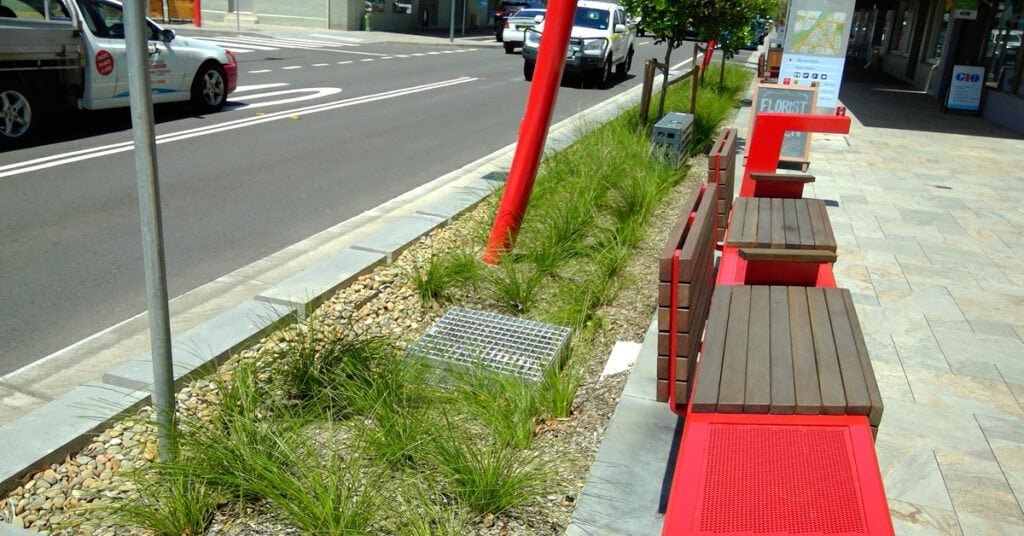
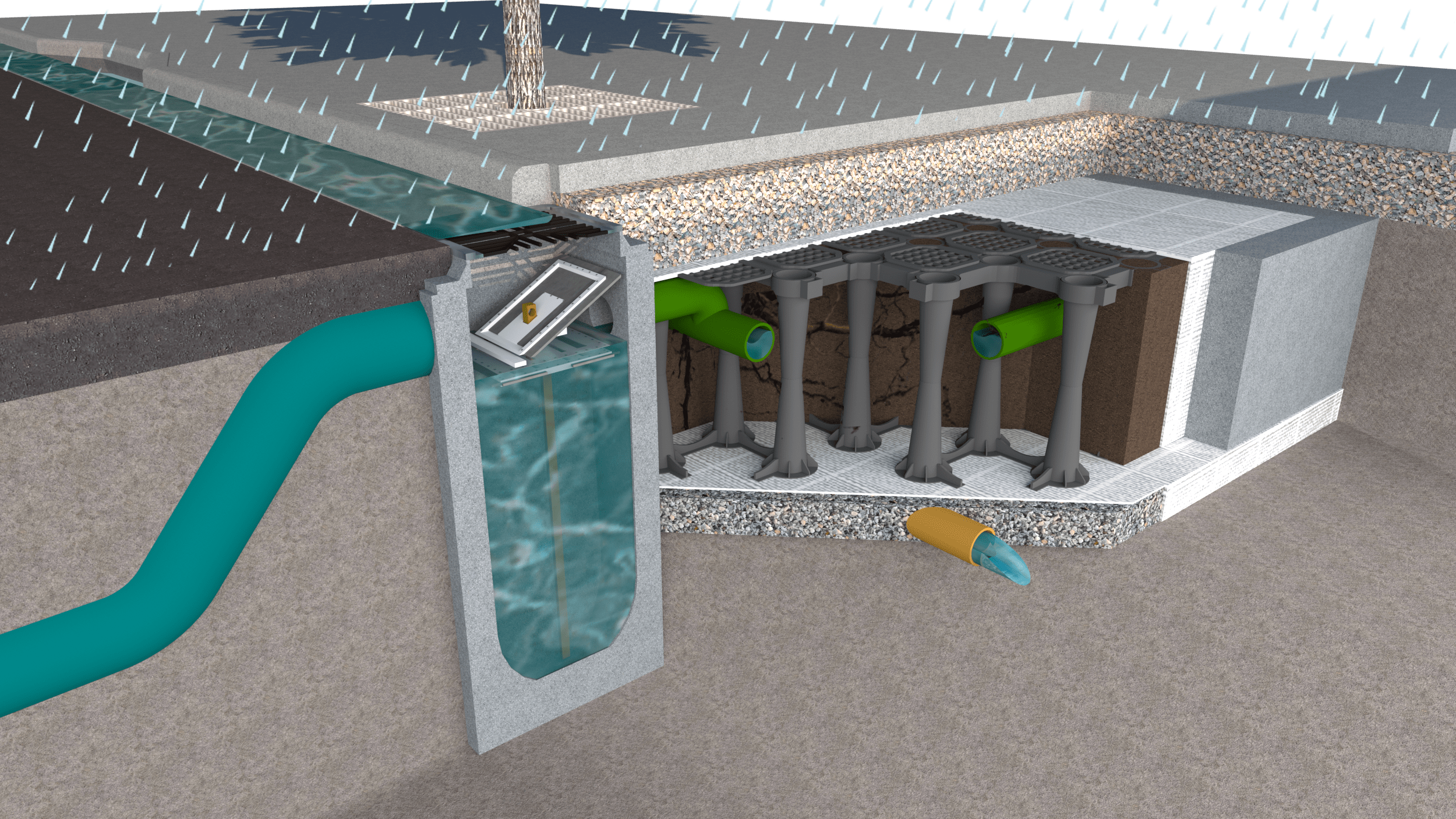
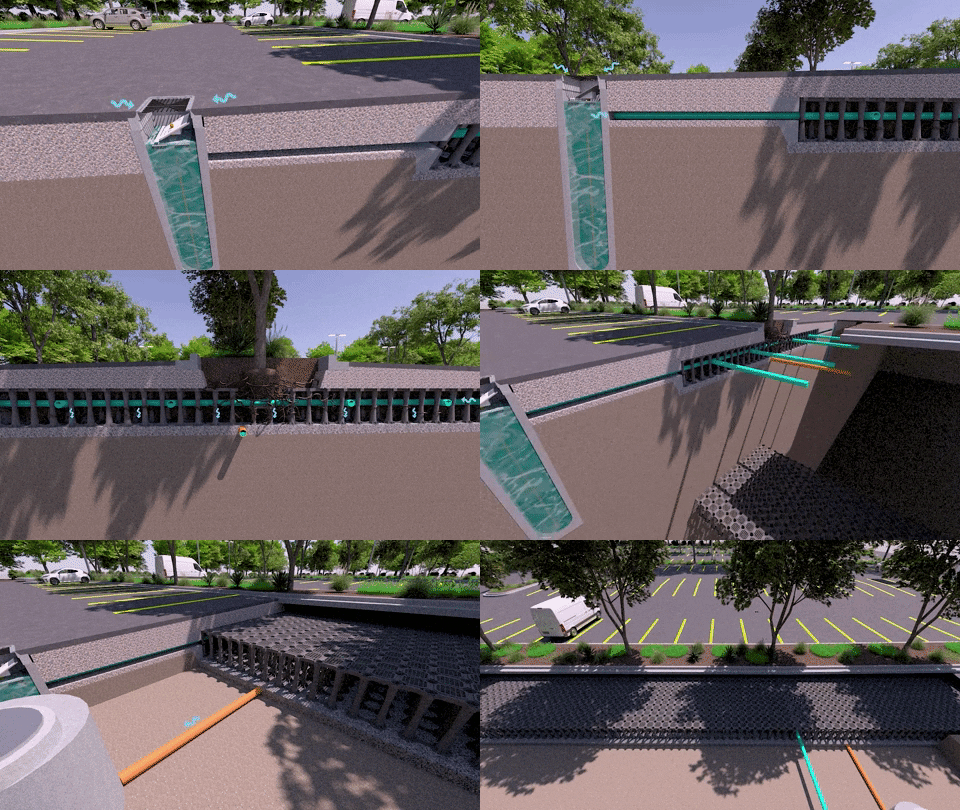
An example of a green infrastructure design that Citygreen has developed is the Strataflow™ system. Instead of a traditional bioretention basin, Citygreen’s Strataflow™ uses an underground structural soil vault system, which delivers a high standard of stormwater treatment with a completely natural look. To any passer-by, what you see is a healthy, flourishing tree surrounded by a grassy verge, but beneath the ground is an advanced WSUD(water sensitive urban design).
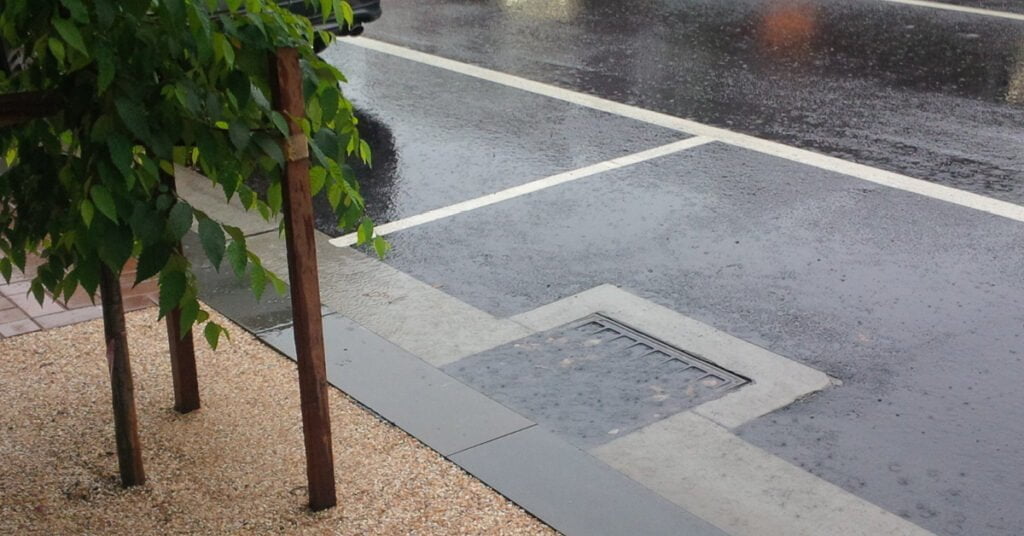
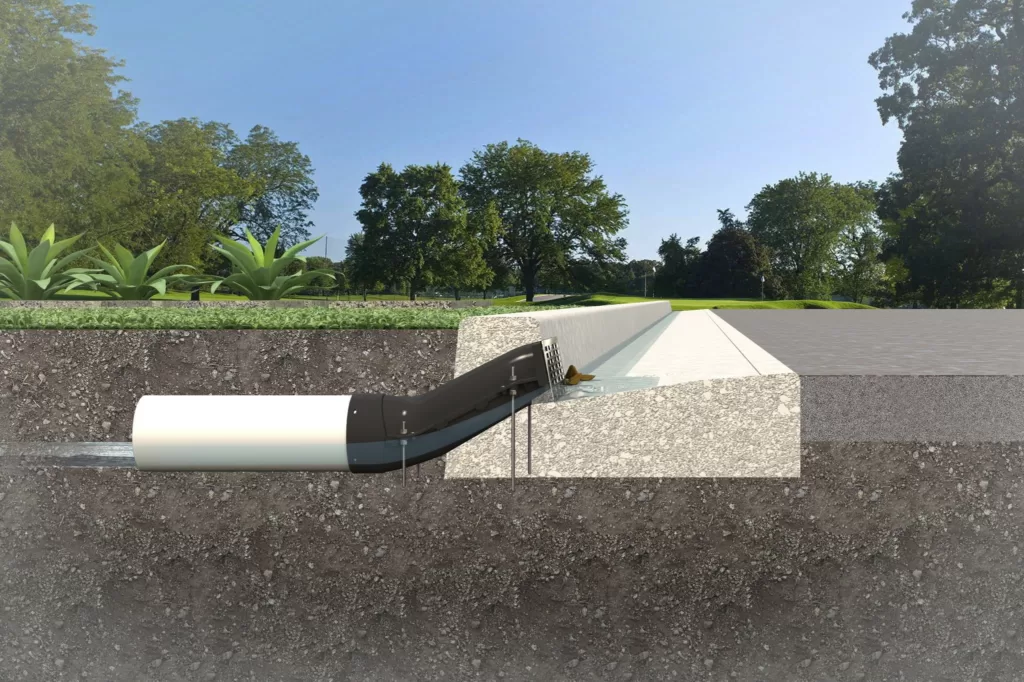
This design starts with a traditional drain or catch basin or the Strataflow Kerb Inlet; this device sits in the road kerb alignment, retaining the inherent structure of the concrete kerb. The inlet has a grate (acting as a screen) to stop larger-sized pollutants from entering the system, which inhibits healthy tree growth.
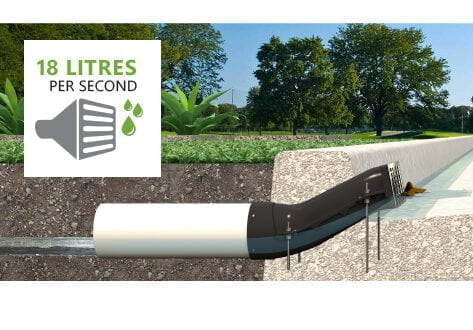
The inlet lets water from the road carriageway flow through the front grate of the drain at a capacity of up to 18 litres/ 5 gallons per second. This allows the inlet to minimise pollutants entering waterways and reduce flood risks by controlling the stormwater flow entering our city’s underground drains.
When the water flows through the street, it enters through the inlet and flows underground. From there, the stormwater reaches the advanced structural soil cell system, where the stormwater is stored, filtered and distributed effectively for the benefit of urban trees and proper stormwater management.
The inlet ensures the water drains down at the correct optimal depth beneath the pavement height. From there, the stormwater reaches the structural soil cell system and the tree’s root system, where the stormwater is stored, cleaned and distributed effectively to increase urban tree growth and proper stormwater management principles.
Essentially, Strataflow™ utilises readily available stormwater rather than potable water to irrigate street trees, which improves the vitality of trees and reduces the impact of stormwater and stormwater contaminants on the local environment, all while maintaining a high natural presentation.
Stormwater Management Case Study
Pemberton is a small mountain town located 20 minutes North of world-renowned ski resort Whistler in Beautiful British Columbia, Canada.
In 2019 the town of Pemberton was awarded a government grant to upgrade ageing infrastructure and give their tourist town a facelift. Pemberton had some issues with flooding which they were keen to fix and at the same time wanted to create an inviting and enjoyable experience for the visitors and residents of the town.
One of the solutions was the Stratavault system, this system was placed underneath all sidewalks for two reasons. The first was to collect the mass of snow run off and rainfall that would typically flood the town, slow this water down and clean it with the soil held in the Stratavault system then push excess water into a nearby pond where it could be used for irrigation purposes throughout the town. The second was to hold enough soil so the trees that were planted in urban environments could have access to nutrient-rich soil for many years to come.
In built-up urban areas, trees can help restore pre-development water flows and remove pollutants and filter water. Trees act as natural filtration machines, which can hold, release, and clean water through soil and evaporation.
A question often asked regarding urban trees and water capture is, can stormwater runoff from roads be too polluted for the trees to use?
Yes, stormwater can be very polluted, as large amounts of debris, particulates, and rubbish can suffocate a tree and prevent water and nutrients from reaching the tree’s root system for absorption.
Gross pollutants, such as plastic rubbish or vehicle parts, can largely be filtered out often by screens, like stormwater grates.
Smaller than gross pollutants are total suspended solids (TSS). TSS refers to solids suspended in water or wastewater that can be trapped by a filter. TSS can include various materials, such as silt, decaying plant and animal matter, industrial wastes, and sewage. High suspended solids concentrations can cause many problems for stream health and aquatic life.
Then there are soluble or water-borne pollutants, which are difficult to filter out economically. These pollutants can cause severe damage to ecosystems.
Storm water systems can be installed, which prevent these pollutants from accumulating in our water streams. Citygreen offers a revolutionary range of stormwater management solutions that prevent water pollution and make it easier –and more affordable–to manage and re-use stormwater.
Why use Trees for Stormwater Management?
Trees offer a large value add when compared to traditional stormwater management systems. Trees for stormwater management offers numerous advantages in urban areas. Firstly, trees act as natural water managers by absorbing excess rainwater, mitigating the risk of flooding and erosion. Their extensive root systems serve as filters, trapping and breaking down pollutants present in stormwater, which ultimately improves the quality of water entering local water bodies. Additionally, trees reduce the volume of stormwater runoff, easing the burden on municipal drainage systems. Moreover, these green giants contribute to urban cooling by providing shade and releasing moisture through transpiration, enhancing the overall urban microclimate and conserving water by reducing evaporation from impermeable surfaces.
Furthermore, the aesthetic and social benefits of urban trees are noteworthy. Well-maintained green spaces with trees enhance the quality of life for urban residents and promote community well-being. Trees also create habitats for wildlife, contributing to urban biodiversity and ecological balance.
Engaging communities in tree planting and maintenance fosters a sense of ownership and responsibility. From an economic perspective, effective stormwater management with trees can lead to cost savings by reducing the need for extensive stormwater infrastructure. Lastly, utilizing trees that align with regulatory compliance, as many cities and regions have specific stormwater management requirements where integrating trees into stormwater management strategies not only addresses practical concerns but also contributes to the creation of attractive, sustainable, and resilient urban environments.
How Do Trees Clean Stormwater?
Trees play a vital role in filtering water through a series of natural mechanisms. Their root systems, for instance, engage in a process called root uptake, where they absorb water from the soil, including groundwater and rainwater. This not only helps in managing excess water in urban areas, reducing the risk of flooding and waterlogging, but also contributes to water purification. As water moves through the soil surrounding tree roots, it undergoes natural filtration. The soil acts as a powerful filter, capturing impurities, sediments, and pollutants present in the water, thereby improving water quality. Microorganisms in the soil and on tree roots further aid in this process by breaking down organic matter and pollutants into less harmful substances.
Additionally, trees are proficient at nutrient uptake, extracting essential nutrients from water for their growth. In doing so, trees indirectly remove excess nutrients like nitrogen and phosphorus, common water pollutants. Some tree species excel at phytoremediation, absorbing and storing pollutants such as heavy metals and chemicals, thus contributing to water purification and helping prevent water pollution.
Trees release water vapor through transpiration into the atmosphere, mitigating local flooding risks by reducing runoff volume. Trees also help retain sediments and prevent erosion, which can lead to waterbody sedimentation and, consequently, improved water clarity. Altogether, trees collectively enhance water quality by naturally reducing contaminant levels, pollutants, and sediments, making a significant positive impact on the health of water systems.
Case Study: Pelican Waters
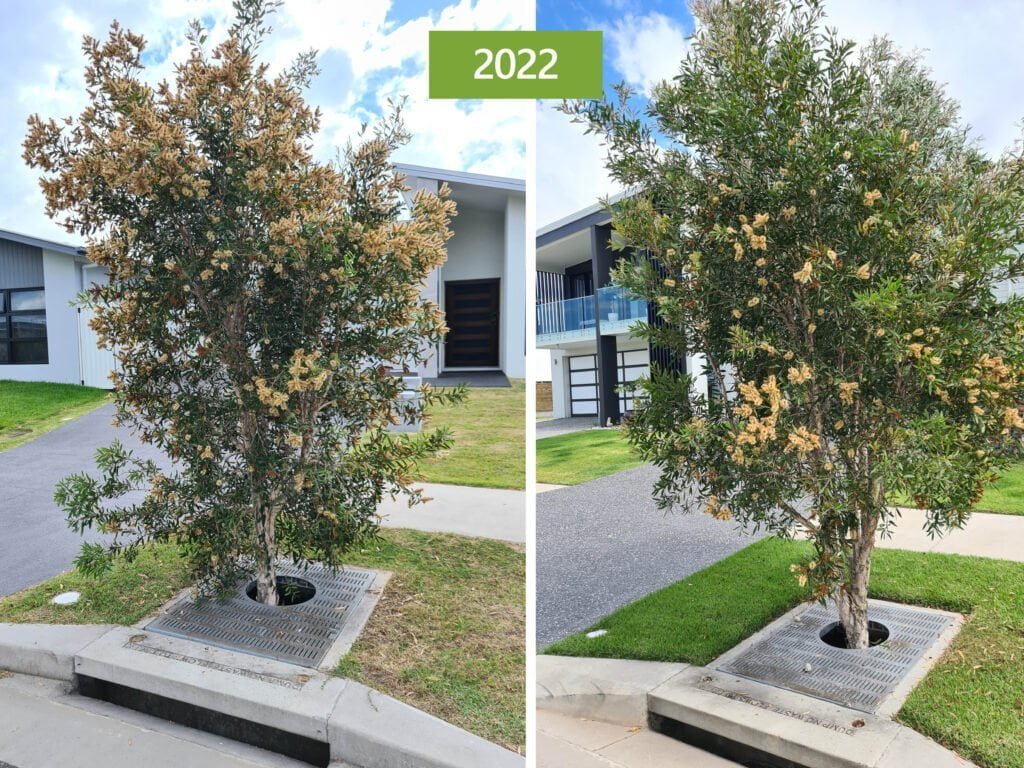
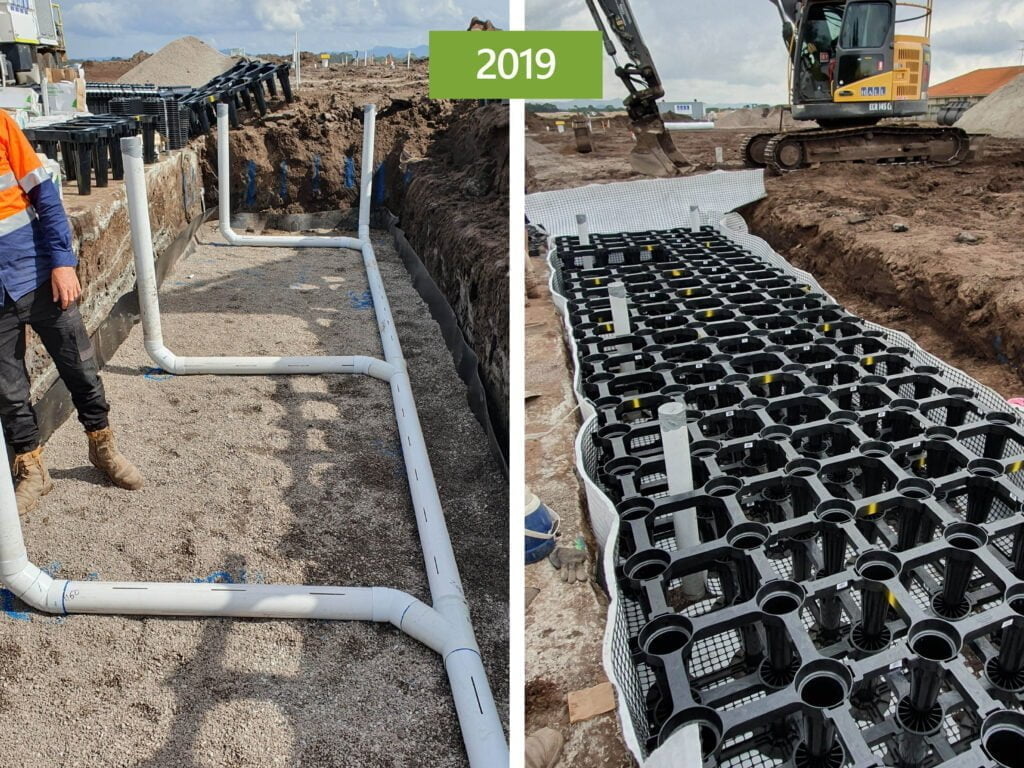
Pelican Waters, a residential estate located on the Sunshine Coast of Queensland, Australia, has been trialling Citygreen’s Strataflow™ system with so far great success.
This new development aimed to use the advanced water-sensitive urban design (WSUD) and improve sales of lots near bioretention basin. Research has shown that preserving natural features in residential developments can increase the value and sale price of lots.
Instead of a traditional bioretention basin, Citygreen’s Strataflow™ uses an underground structural soil cell system, which delivers a high standard of stormwater treatment with a completely natural look.
To any passer-by, what you see is a healthy, flourishing tree, surrounded by a grassy verge, but beneath the ground is an advanced WSUD.
The Strataflow™ is a specialised design ‘hybrid’ tree pit, combining the best urban forestry for sustained and healthy tree growth with fully functional stormwater management – including filtration and flow management.
These designs may start with the Strataflow Kerb Inlet. This device sits in the road kerb alignment, retaining the inherent structure of the concrete kerb. The inlet has a grate (acting as a screen), to stop larger-sized pollutants from entering the system, which inhibits healthy tree growth.
The inlet lets water from the road carriageway flow through the front grate of the drain at a capacity of up to 18 litres/ 5 gallons per second. This allows the inlet to minimise pollutants entering waterways and reduce flood risks by controlling the stormwater flow entering our city’s underground drains.
When the water flows through the street, it enters through the inlet and flows underground. From there, the stormwater reaches the stratavault system, where the stormwater is stored, filtered and distributed effectively for the benefit of urban trees and for proper stormwater management.
The inlet ensures the water drains down at the correct optimal depth beneath the pavement height. From there, the stormwater reaches the structural soil cell system and the trees’ root system, where the stormwater is stored, filtered and distributed effectively for the benefit of urban trees and for proper stormwater management.
Essentially, Strataflow™ utilises readily available stormwater rather than potable water to irrigate street trees, which improves the vitality of trees and reduces the impact of stormwater on the local environment, all while maintaining a high natural presentation.
Earlier this year, the United Nations Intergovernmental Panel on Climate Change (IPCC) released their starkest report on the impacts of climate change, depicting the threats to both civilisations and ecosystems around the world.
The report documented that the effects of climate change have already impacted human health, livelihoods, and key infrastructure, particularly in urban settings. Hot extremes including heatwaves have intensified in cities, where they have also aggravated air pollution events and limited the functionality of urban infrastructure systems and services.
Essential infrastructure, such as transportation, water, sanitation, and energy systems have been compromised by both, extreme and slow-onset climatic events, resulting in economic losses, disruptions of services and impacts on human well-being.
Through an egalitarian lens, the report observed that these impacts are concentrated amongst the economically and socially marginalized urban residents. Climate change is effectively exacerbating existing social, economic, and environmental drivers of risk, especially for vulnerable groups who already lack access to essential services.
The authors of the report, urgently recommend an appropriate, widespread coordinated effort to adapt our urban environments to more extreme climatic conditions.
They believe that by improving existing and new infrastructure projects, our built environment can become more resilient to climate risks in the long term.
One way of achieving urban resilience is by providing greater access to ‘green infrastructure within our cityscapes. Green infrastructure refers to all types of vegetation that provides environmental, economic, and social benefits such as clean air and water, climate regulation and places for recreation.
An example of green infrastructure that can directly limit the effects of climate change within our urban environment is green walls, also termed living walls or vertical gardens. Green walls can form an important part of a wider strategy to increase the sustainability of our built environments by regulating temperatures and improving air quality.
The natural, biological processes of green walls can improve air quality in the home and in urban settings by removing polluting air particulars.
The plants used within the green walls can capture airborne particles on their foliage and, with the associated microbial community, degrade a range of gaseous pollutants, including volatile organic compounds (VOCs).
VOCs are generated by motor vehicles, fires, industrial processes, and consumer products like paint. Some are highly toxic and prolonged exposure may increase the risk of health problems.
Aside from absorbing VOCs, green walls are also able to absorb carbon dioxide (CO2). All plants including those grown inside, or on the side of buildings, act as natural carbon dioxide filters. They absorb CO2 from the air to fuel the photosynthesis which allows them to grow and thrive. Presently, more research is needed to determine the most effective CO2 absorbing plants for vertical gardens.
Citygreen’s™ Living Wall system
Citygreen’s™ Living Wall system is the leading green wall product that can directly alleviate some of the risks created associated with climate change, by creating greener, cooler, and more liveable cities.
15 years of research, development, and product testing.
The design is available in nine standard panel sizes; however, it can also be engineered to retrofit walls on unique buildings.
The system is designed for quick and efficient installation for large scale commercial projects or smaller residential projects, with minimum disruption. The Living Wall system has irrigation lines embedded in a moisture retention layer to ensure optimal water distribution and water efficiency.
This enables both rapid and healthy plant growth post-install.
The assembly of the Citygreen’s™ Living Wall system incorporates a waterproofing layer, a moisture retention layer, and a breathable fabric layer with pockets for the soil so that a wide variety of plants can be selected and grown within the system.
Conclusion
The ability to adapt our urban centres to the unfolding risks of climate change is becoming ever more urgent.
Urban populations, particularly those in marginalised areas, are exceedingly feeling the impacts of more intense weather patterns.
Citygreen’s™ Living Wall system is a product that once installed, can rapidly start to alleviate some of the impacts of climate change, by regulating ambient temperatures, improving air quality conditions, and absorbing CO2.
References P.J. Irga, et al, The distribution of green walls and green roofs throughout Australia: Do policy instruments influence the frequency of projects? Urban Forestry & Urban Greening, 24, 2017, 164-174.
Posted by Ben Gooden on Wed, Mar 30, 2022 @ 11:23 PM
As leaders in urban landscape solutions, the concept of biophilic design has been pioneered by Citygreen for almost two decades. Our mantra of transforming grey spaces into green, by incorporating nature into cityscapes, goes to the heart of what biophilic design is all about.
The term biophilia was first used by the pioneering naturalist and biologist Edward Wilson in 1984 when he hypothesised that humans have an “innate tendency to focus on life and lifelike processes.”
This tendency that Wilson speaks to, refers to the bond and deep sense of familiarity that humans and nature share. As a biologist, Wilson viewed life through an ecological lens, comparing lifelike processes to “organisms in an ecosystem.”
He believed that for societies to be functional, their surroundings must be akin to the natural environment that we were evolved in. In the man-made built environments, where most of the world’s population lives today, this sense of connection between nature and everyday human experiences has been slowly eroding.
During the COVID-19 global pandemic, lockdowns forced many of us to live in our neighbourhoods and home on a more permanent basis, which for a lot of people highlighted the lack of, and thus need for more innovative greenspaces.
Generally, the term greenspace invokes images of outdoor parks benches and beautifully manicured gardens, which is too simplistic in terms of 21st-century living. The standard approach in the past for town planners was to allocate a certain amount of open outdoor public space for conventional use, such as walking the dog or picnicking.
Yet today, with modern living requirements and conditions, the inter-relationship between greenspaces and greenspaces users has changed. As individuals, we are now spending more time inside buildings of all kinds, than we ever have before. Therefore, when we think of green spaces we should be contemplating indoor communal spaces like foyers in apartment buildings, food courts, and large shopping centres.
An example of a biophilic design that meets the needs of modern-day greenspace users is green walls, also termed living walls or vertical gardens. Such walls are becoming more popular, as they are able to convert underutilised areas into aesthetically appealing green spaces, by merging the natural and the built environments together.
Using straight walls and rights angles to recreate the scenic irregularities of the natural environment, has been a design goal for many sustainable companies including Citygreen. Green walls that incorporate a wide range of diverse plant species are able to artificially reinvent ecosystems, and can then bring the natural world closer to individuals, whether that be in a bustling inner-city workplace or residential apartment block.
Citygreen’s™ Living Wall system is a leading example of a modern biophilic design. Manufactured by the pioneering brand in advanced living wall products, Terapia Urbana in Spain, the Living Wall embodies nearly 15 years of research, development and product testing.
The system can be used outdoors, but indoor walls are by far the easiest, as the microclimate is more predictable, with the installation of artificial lighting, and automatic watering and fertilisation systems. Compared to other green spaces, the water usage for living walls like Citygreen’s™ Living Wall system is low, as it typically requires two litres per square metre per day to irrigate the wall.
The three features that make the system unique, and why it is able to stand out amongst other living wall designs, is firstly the fact that the wall, where the system will be mounted, will need no additional waterproofing. Secondly, the system is the lightest system on the market, weighing only 35kg per square meter fully planted and saturated.
Thirdly, the design is made up of a three-layer panel system that all links together, allowing the roots of the plants to be both protected, and have the ability to migrate freely, enabling almost unlimited root volume for the plants to grow in.
The design is available in nine standard panel sizes; however, it can also be engineered to fit bespoke sizes for unique projects. The system is also designed for quick and efficient installation for large scale commercial projects or smaller residential projects, with minimum disruption.
With urbanisation and residential density increasing in our modern-day societies, it is imperative that more cities and buildings be designed and planned in a sustainable way that allows individuals and communities to have equitable exposure to the natural environment.
Citygreen’s™ Living Wall system showcases a leading example of a creative sustainable and flexible design that can be used within challenging and ever-evolving modern-day greenspaces.
In every city, around the world, you see trees that are not meeting their full potential within the urban environment. To the human eye, these trees can appear twisted or have damaged branches, making them unhealthy and deformed.
In severe cases, the trees will gradually decline and end up being removed, with just an open grey space in the pavement remaining.
Sadly, cutting down dying trees from city landscapes has become all too familiar, and is something we want to explore in this article.
Designing a Tree Planting Method
One of the first reasons for unsuccessful tree growth, in many cases, lies in the failure to fully design a tree planting method. The implementation of any successful method, must first ask questions surrounding the location of the site: what is the soil profile that the tree is being planted into; will there be enough air-filled porosity or oxygen at the depth of planting; does the location have the necessary space to provide for the tree’s root system, is there enough soil for the tree to actually thrive once it reaches maturity?
These questions must then be answered by adopting appropriate solutions, such as: applying nutrients to amend the soil profile where necessary; choosing the best-sized tree to fit the location, avoiding having to repair tree root damage to pavements; utilising road-based material that is conducive to tree growth; installing adequate draining mechanisms, so that the tree does not become waterlogged in wet seasons.
To allow trees to reach full maturity, and ideally become self-sufficient, a suitable budget and management plan must be allocated. Without a sufficient budget, cities will experience the premature deaths of city trees, which will need replacement within 3-5 years of planting.
A well-funded tree planting program would avoid the cost of continual tree removal and replacements, and increase the future value of trees as an asset within any urban environment.
Human Behaviors
Another reason for trees not growing well in cities is human behavior.
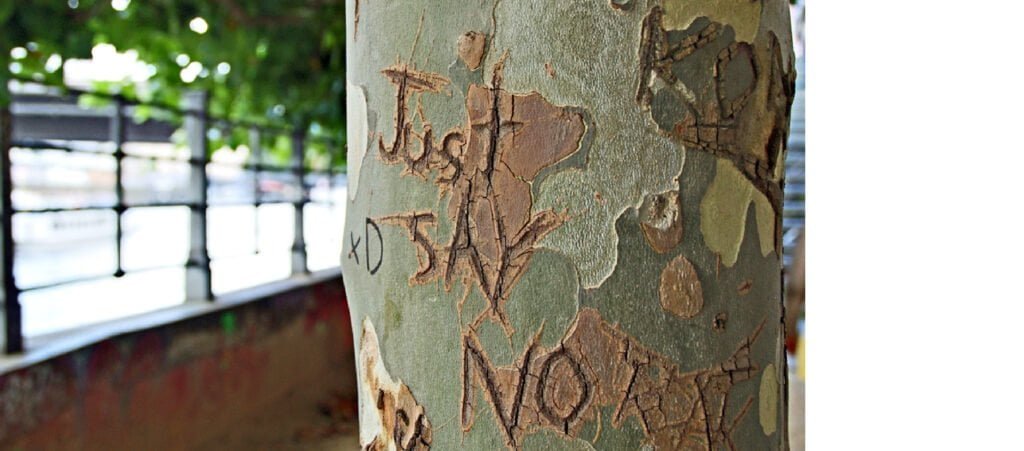
This can be broken up into a number of areas, but one is vandalism. Unfortunately, it is not uncommon, to see trees vandalized, especially young trees. Once trees are beyond a certain stage of life, they tend to be less susceptible to vandalism, but while they’re young, they are very vulnerable to being damaged by vandals: debarking trunks; snapping branches; or scratching graffiti onto limbs
Traffic impact is another human behavior that negatively affects tree growth. This frequently occurs with curb plantings, whereby trees are planted close to the roadside or powerlines. If crown lifting is not performed, and the trees develop a low canopy, then low-lying branches can be smashed and damaged by passing traffic. This is especially the case, where you see a camber on the road that causes tall vehicles to intersect with the tree’s canopy, causing limbs and branches to tear off, allowing infection to set in.
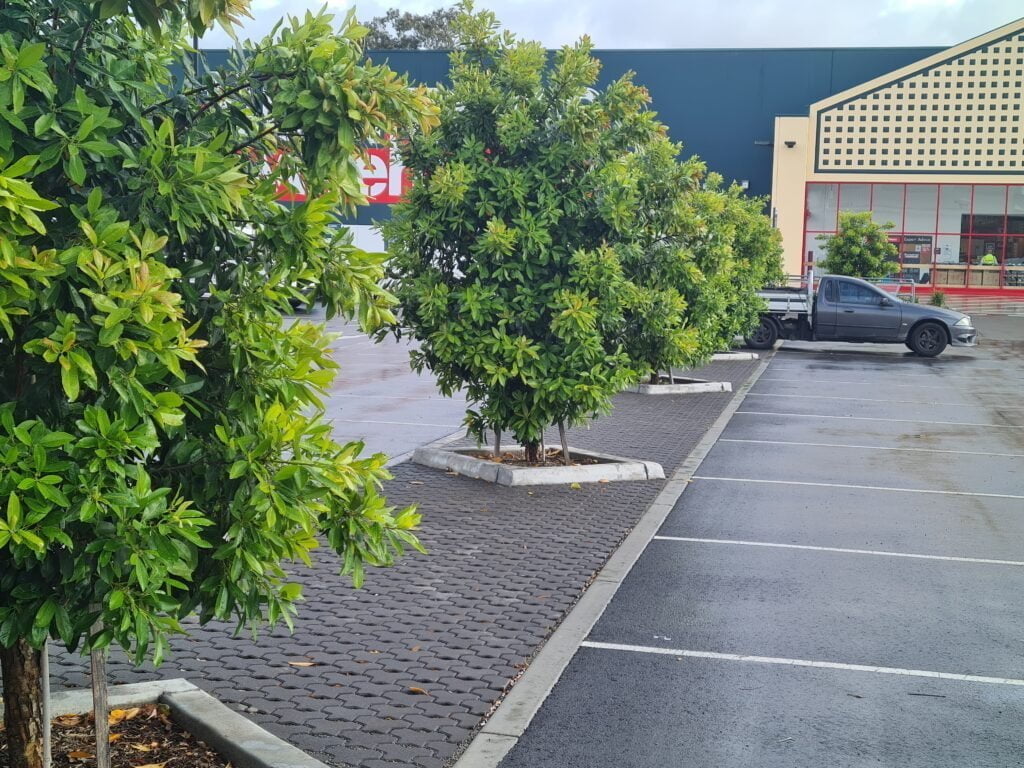
Low-speed vehicular impact in parking lots can similarly impact tree growth. This frequently happens in parking lots, where trees have been planted with the best intentions, but wheel stops have been either omitted or placed in the wrong positions.
For example, at home improvement centers, frequented by trade vehicles with overhanging tray bodies; reverse parking can lead to vehicles, unintentionally smashing into the young trees. This can be overcome by studying the trees surrounding, to allow for better tree placement and tree protection.
An Altered Environment
The urban climate in which trees are planted can also lead to poor growth performance. Cities have their own microclimate, which is a very different environment to the natural forest. It is well documented that some tree species will actually grow a lot faster in a city than they will in their natural open forest environment, because of the urban heat island effect, leading to warmer temperatures and thus more growth.
However, in a lot of cases, the urban environment does not necessarily result in successful tree growth. For example, wind velocities in city landscapes are very different to the natural forest environment.
In the forest, trees are protected by one another against environmental forces of nature, but in urban planting, trees are typically planted on their own, and therefore become more exposed.
Adding to this exposure is the fact that the trees are often planted in close proximity to tall buildings, where the street forms a canyon. Winds can then blast up this ‘canyon’ with extremely high velocity, blowing the trees around, causing damage to the root systems.
Oftentimes, the wind will cause a young tree’s root system to be weakened, which may only be noticeable when the tree becomes much larger, unfortunately resulting in limbs breakages, or a whole tree collapses, which can be catastrophic.
Solutions
Fortunately, there are solutions to all of these issues. Citygreen has decades of experience in successfully establishing urban forests to prevent premature tree death. A system that Citygreen has patented and used throughout the world with success is the Stratavault™ system.
Case Studies – Stratavault™ system
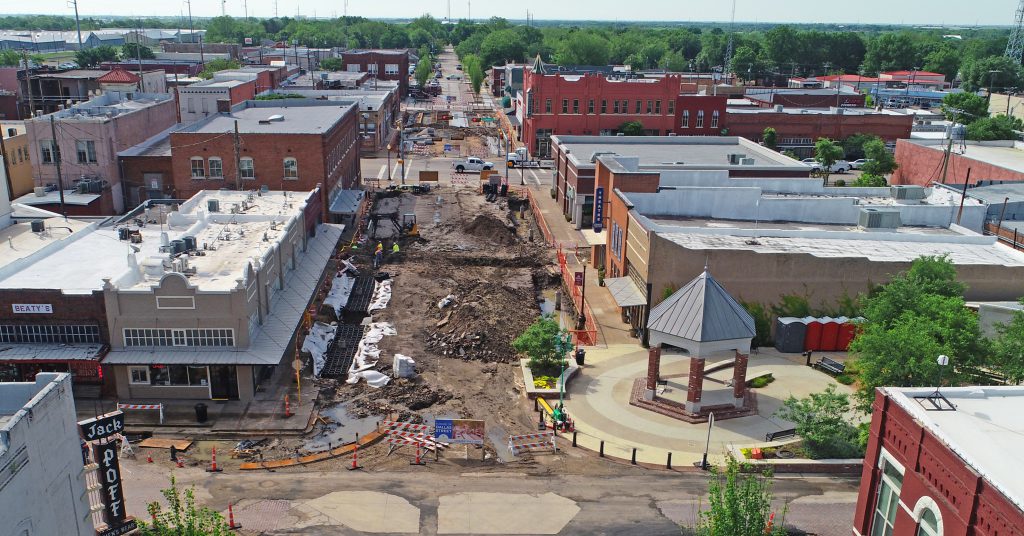
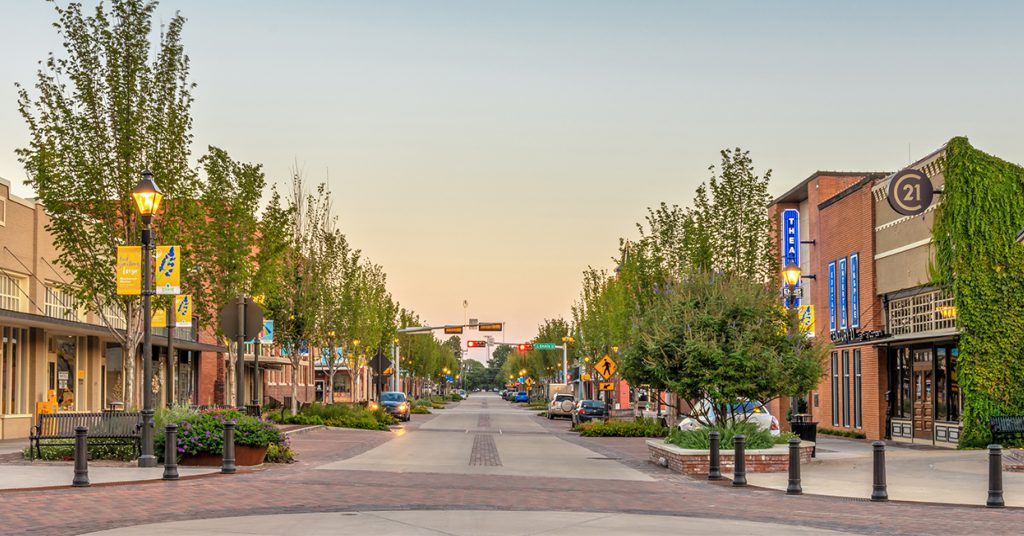
Downtown Ennis, located south of Dallas, in the United States, is known for its 19th-century historic architecture and iconic brick streets. With its current population of over 20,000, the city was looking to cultivate residential growth.
With this goal in mind, Citygreen’s Stratavault™ system was chosen the make the area more attractive, accessible and beneficial to downtown residents and tourists alike.
Adopting a ‘Green Streets’ approach, the areas impermeable curb and gutter section was replaced with a suspended paving system – that is, Citygreen’s Stratavault™ system, to allow trees to grow and thrive into maturity.
Capable of supporting heavy duty vehicular loading, permeable pavers were installed on top of soil cells which provided a medium for trees to grow in, whilst also capturing stormwater on-site to irrigate the trees.
Citygreen’s Stratavault™ was also utilised to enhance the redevelopment of Barangaroo South, in Sydney, Australia.
Designed to encourage both passive and active outdoor activities, the redevelopment of Barangaroo South’s landscape, initially faced significant difficulties. The density of paved areas and streets, was not able to provide a conducive environment for trees to thrive in.
To overcome this problem, Citygreen’s Stratavault™ was utilised. With its open matrix design, the system ensures that there is enough uncompacted soil space to facilitate strong root growth without damaging the surrounding paved surfaces.
Are Treepits structurally sound? Is there adequate space to grow?
Call us Today
As shown above, Citygreen is an expert in every phase of design, and implementation of streetscape upgrades, incorporating healthy, sustainable green infrastructure – reach out to Citygreen for a Design Workshop today.
This question often comes up, in workshops we hold about the urban forest. How much soil do street trees need? Striking the right balance ensures that street trees receive adequate nutrients, space for root growth, and proper water drainage. So what aspects about soil and the underground workings of trees do we have to consider?
Tree Root Systems are Extensive
The first thing to understand is that the root system of a tree is far more extensive than many people realize. In a natural environment, the root system extends as deep as possible in the soil profile, and typically very, very broadly in the upper layer of the soil profile. Wherever there is sufficient oxygen in the soil, and friability in the soil, to support the root growth of the tree – the roots will explore.
The root plate supports the canopy – but you can’t see it
The root system of the tree provides the structural support for the above-ground canopy, which is the part that we all see. That is a very, very critical function. A tree’s canopy can be very large, is extremely heavy, and is acted upon by the forces of nature – like wind, snow, rainfall etc. Within cities, the power of wind, (sometimes known as wind tunnel effect, or canyon effect), caused by proximity to tall buildings, causes ‘wind-throw’ forces in cities to be much greater than in a forest. So a tree’s root system is critical to anchor the tree physically, and also to support the healthy growth of the above-ground canopy.
A bigger tree requires a bigger soil volume
It’s important that we understand that the amount of soil required is relative to the mature canopy size of the chosen tree species. It’s not related to the size, pot, or box that the tree was grown in at the nursery. The quantity of soil volume that you provide for a tree in the street is all the soil that that tree is going to get – for its entire life. It’s important that the right amount is provided.
Soil Volume Calculator
Try our Treepit Costing Tool to find the level of soil a tree needs to support itself once it reach maturity level.
What is a tree coffin?
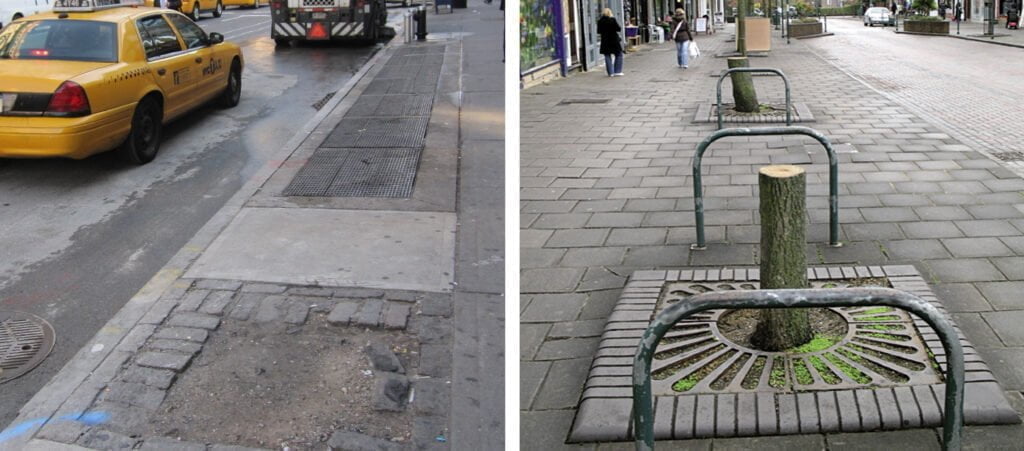
Historically, trees have been planted in small openings in pavements, sometimes called tree coffins. But this has resulted in catastrophic failure in pavements, and surrounding infrastructure, premature mortality for the tree, or consigning a tree to being stunted for its life if it does live. Walk the streets of any city in the world, and you will see this. So, it’s critical that the concept of soil volume is understood, if we truly wish to grow a healthy urban forest for future generations. The surprising fact is that with the correct volumes of good quality soil – the benefits can be enjoyed within your generation. The growth rates are astounding – we just need to get the basics right.
Why is the Treepit area really important?
Tree roots will grow a long way out from the trunk. Many people have had the experience of having an underground sewer or storm pipe penetrated by a tree’s root system, and the tree was growing a long way away, in a neighbor’s property. Trees will grow a long way out from the trunk – in many cases well beyond the canopy area.
What are ‘Deep Soil Zones’?
The other thing to be understood is the fact that depth of soil is also vital to accommodate the sheer size of the tree root system. For this reason, many cities are now mandating ‘deep soil zones’ for tree planting. This is critical, and is a very good move, to ensure that there is quality soil at a suitable depth, for the life needs of the urban forest As said before, tree root systems will grow as deep as there is adequate moisture, adequate aeration, (oxygen), as well as the essential elements of healthy soil.
At Citygreen we use Snorkil™ RootRain Urban to ensure oxygen and water can easily penetrate deeper into the soil zone which encourages the tree roots to grow deeper.
How to Calculate the Volume Required for Street Trees?
To arrive at a soil volume for a street tree, one simple rule of thumb is to start with the mature canopy size of the tree. Look up reliable tree resources, investigate online, or speak to the tree nursery, and establish what the mature canopy diameter of the tree species is going to be. Generally, this is very readily available. To what width will that tree grow at its full capacity? Then you turn the diameter into the area, by using the area formula. That gives you the area of the mature canopy (shade). Then you take that area, and multiply it by 0.6x a meter, or two feet in depth, to arrive at a target soil volume. Now, this is a rule of thumb, but it’s a very good place to start. There are other, more complicated formulas – but this is a good place to start.
Another tool we use regularly is the Soil Volume Simulator designed by Elke Haege-Thorvaldson. The soil volume simulator is a great tool designed to give you a rough estimate of minimum recommended soil volume taking in consideration around tree design and height, climate growing conditions, soil suitability, maintenance programs, and expected lifespan of the tree.
You can also review Elke’s recent talk at our event ‘Where the Shade Hits the Pavement‘ where she discusses soil design for landscapes and the soil volume needed.
Finding space for deep soil zones
Rarely is there room in a sidewalk, or a parking lot, or a paved area, for the entire deep soil zone to be an open garden bed. Due to pedestrian access demands, and vehicular movements – there is a requirement for extensive use of hard pavements. The good news is, there are ways of supporting the pavement while maintaining deep soil zones beneath that pavement. But establishing a correct soil volume for street trees is the first step in establishing a healthy and sustainable urban forest, and there are several ways of arriving at target costing based upon this.
To learn more about how to design and implement a successful urban forest project, engage with an expert here.
“Great customer service, quick response times and a very in depth QA system with constant support.”
- Laura Wiesenekker, Project Engineer, Densford Civil -
“Citygreen is a very professional business, and I found everything was great in terms of deliveries, product supply and information. It was all forthcoming and helped us to complete the project.”
- Keith Burns, Architect/Designer, Keith Burns Architect -
“Citygreen offered training and invaluable technical assistance during the works.”
- James Callan, Estimating Manager, Complex Co Pty Ltd -
“Our experience, in working with a Citygreen Design Studio was second to none. We found responses from the design studio to be very timely, and technically thorough. We went backwards and forwards a number of times, looking at different iterations of the design and, nothing was too much trouble to examine and explore different possibilities. I would highly recommend the Citygreen Design Studio to any future client considering using your services.”
- Sandra Smith, Principal Landscape Architect, City Of Monash -
“We are big on compliance on all projects, and the fact that their SmartCertify cloud platform covers all bases, and supports their 20 year warranties, is critical – especially that these pits are being installed under roadways and footpaths.”
- Johny Purkaystha, Civil Program Engineer, Central Coast Council -
"I reviewed all the previous projects that we have installed in the past couple years using your product and I can happily report back that we have 0% mortality in the soil cells, which is incredible!"
- Brendan Wilton, CEO, Trim Landscaping, Bedford, Canada -