Slow Aging by Planting more Trees


Does Planting Trees Slow Aging?
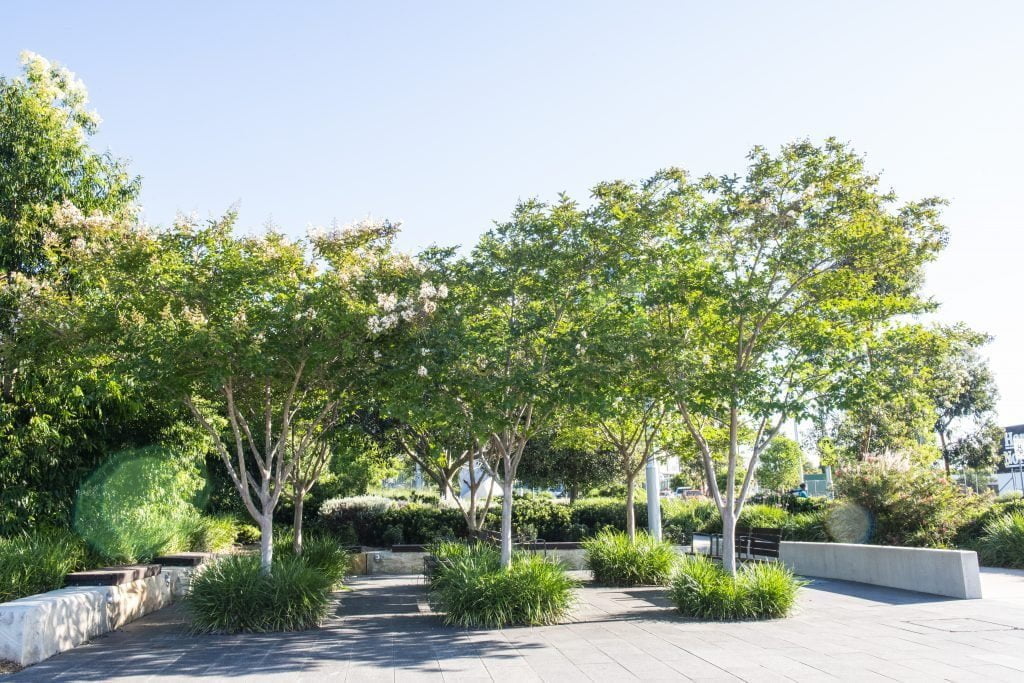
 

Green park trees

In an increasingly urbanized world, where more than half of the global population resides in cities, the importance of urban green spaces cannot be understated. Parks, green roofs, and community gardens offer not only aesthetic appeal but also critical ecosystem services. A recent study in ScienceAdvances has documented the potential benefits of urban greenness for healthy aging, including improved cardiovascular health and reduced mortality rates. While physical activity and social interactions have been suggested as potential pathways linking greenness to health outcomes, the underlying molecular biological mechanisms remain unclear.

Epigenetic modifications, such as DNA methylation levels, have emerged as a promising avenue for understanding the link between environmental exposures, health conditions, and aging. Accumulated exposure to environmental factors can lead to DNA hyper- or hypomethylation, ultimately influencing human health. Epigenome-wide association studies have identified regions of DNA methylation that are associated with residential greenness and are implicated in physical activity, mental health, metabolic diseases, and neoplasms. DNA methylation-based biological age, known as epigenetic age, has been proposed as a predictive marker for age-related health outcomes.

Previous studies have established associations between epigenetic age and cardiovascular disease, cancer, and mortality, as well as various lifestyle and exposure factors. However, the relationship between greenness exposure and epigenetic age has been understudied, with only one cross-sectional study conducted thus far. Furthermore, no studies have examined the role of race and sex in the association between greenness and epigenetic age, which is crucial for understanding and reducing disparities in greenness exposure and its associated benefits.

To address these gaps, the findings explore the associations between long-term greenness exposure and epigenetic age, considering race, sex, and neighborhood deprivation as effect modifiers.

Results


Characteristics of Study Participants

Over 900 participants were included, with a mean age of 45.3 years. The cohort consisted of 376 Black participants and 548 white participants, with 453 men and 471 women. Approximately 54.5% of participants had parks within a 5-km radius of their residential address. The mean Normalized Difference Vegetation Index (NDVI) value within the 5-km buffer radius 1 year before the Year 20 visit was 0.38 . Participants with parks within 5 km had slightly lower NDVI values  compared to those without parks . Moderate correlations were observed for epigenetic age acceleration.

Association between Greenness and Epigenetic Aging

Their analysis revealed a significant association between 20-year exposure to greenness, and epigenetic aging. Greater greenness was associated with slower epigenetic aging, suggesting a potential protective effect of urban green spaces on the aging process. However, when considering racial disparities, we found that Black participants had less surrounding greenness compared to white participants.

This disparity in greenness exposure led to an attenuated association between greenness and epigenetic aging in Black participants, compared to white participants. This highlights the need to address and reduce disparities in greenness exposure among different racial groups.

Furthermore, the association between greenness and epigenetic aging was influenced by neighborhood socioeconomic status. Participants living in disadvantaged neighborhoods showed a stronger association between greenness and epigenetic aging, with compared to less disadvantaged neighborhoods. These findings underscore the importance of considering neighborhood characteristics and socioeconomic factors in understanding the relationship between greenness and epigenetic aging.

Overview


The results of the study provide valuable insights into the associations between urban greenness and epigenetic aging. The observed relationship between greater greenness and slower epigenetic aging suggests that urban green spaces have the potential to promote healthy aging and mitigate the effects of biological aging processes. This aligns with previous research highlighting the benefits of green spaces for cardiovascular health, mental well-being, and overall mortality reduction.

However, it is crucial to acknowledge and address the existing inequalities in greenness exposure. The findings also highlighted the greenness gap between racial groups, with Black participants experiencing lower levels of greenness compared to their white counterparts. This highlights the need for equitable distribution of green spaces and environmental resources to ensure that all communities can access the health benefits they provide.

Neighborhood deprivation, characterized by lower socioeconomic status and limited resources, may exacerbate the impact of environmental exposures on health outcomes. Recently at our event 'Where the Shade hits the Pavement' Dr. Kim Loo spoke about the link between lack of environmental exposure and the health effects of at risk people and why efforts should be directed toward promoting green infrastructure and urban planning strategies that prioritize the creation and maintenance of green spaces in disadvantaged areas.

Overall, the study contributes to the growing body of evidence supporting the role of urban greenness in healthy aging. By understanding the complex interplay between greenness, epigenetic aging, and social determinants of health, we can inform policies and interventions aimed at creating more equitable and sustainable urban environments that promote the well-being of all individuals.

Read the full report.


Key Takeaways

Inequalities in Urban Greenness and Epigenetic Aging:

  • The study examines the association between 20-year exposure to greenness and epigenetic aging in a large, biracial (Black/white), U.S. urban cohort.
  • Greater greenness is associated with slower epigenetic aging.
  • Black participants have less surrounding greenness and a weaker association between greenness and epigenetic aging compared to white participants.
  • Participants in disadvantaged neighborhoods show a stronger association between greenness and epigenetic aging compared to those in less disadvantaged neighborhoods.
  • Urban green space provides critical ecosystem services and potential benefits to healthy aging, including better cardiovascular health and lower mortality.
  • Long-term exposure to greenness has a relationship with slower epigenetic aging, with different associations observed based on race and neighborhood socioeconomic status.

The study suggests that greenness exposure in urban areas is associated with slower epigenetic aging, but the relationship varies by race and neighborhood socioeconomic status. Black participants and those in disadvantaged neighborhoods experience lower levels of surrounding greenness and have attenuated associations between greenness and epigenetic aging. Understanding these inequalities and their implications can help inform efforts to reduce disparities in greenness exposure and promote equitable access to the health benefits of urban green spaces.

5 Reasons You Need a Tree Guard.

tree guard jpg tree guard Citygreen

Trees play a vital role in our environment, providing numerous benefits such as shade, cleaner air, and improved aesthetics. As caretakers of these green wonders, it is essential to ensure their well-being and protection. Citygreen has had the privilege of working closely with trees across the world, witnessing their ability to transform ordinary urban spaces into captivating landscapes that improve the space for everyone involved. Throughout our 30 years, one constant remain: the undeniable importance of protecting and nurturing our precious arboreal companions.

Below we will detail the top 5 reasons you should use a tree guard:

Protection against External Factors

Picture a bustling urban environment where trees stand tall amidst the concrete jungle. Unfortunately, they often face risks of physical damage due to human activity. In our projects, we have seen how tree guards serve as silent protectors, shielding trees from unintentional impacts and acts of vandalism. Their robust presence not only deters potential harm but also preserves the aesthetic integrity of the surrounding landscape.

Below is an example of the Bellview Tree Guard designed by Citygreen that protected a growing tree from a car collision in Ottawa.

Example of a tree guard protecting a tree against a car collision

Prevention of Pest and Animal Damage

Nature’s critters pose a significant threat to young and vulnerable trees. We have encountered instances where tree guards acted as a formidable barrier, preventing unwanted pests and animals from nibbling on tender bark or disturbing delicate root systems. By providing a deterrent, tree guards help foster healthy growth, ensuring that young trees thrive in their early stages of development.

Enhancing Tree Growth and Health

Tree guards provide support against strong winds, reducing the risk of windthrow (uprooting) in young or newly planted trees. The guard acts as a windbreak, allowing the tree to establish a stronger root system and develop stability, which is crucial for long-term growth..

Related: Do Healthy Trees need High Quality Soil?

Additionally, they act as a shield against aggressive weed competition, enabling trees to absorb essential nutrients and water without hinderance.

Safety and Liability Considerations

Safety is a crucial aspect when it comes to urban trees. The risk of falling branches or other tree-related hazards can have serious consequences. Through our experience, we have witnessed how strategically placed tree guards minimize potential dangers, ensuring the well-being of pedestrians and safeguarding nearby properties.

By proactively addressing safety concerns, tree guards alleviate liabilities that may arise from unforeseen accidents.

pavement uplift can cause serious safety and insurance liability issues for businesses and councils.
Pavement uplift can cause serious safety and insurance liability issues for businesses and councils.

Aesthetics and Tree Care Awareness

Beyond their functional role, tree guards contribute to the visual allure of our urban landscapes. They provide a harmonious blend of practicality and beauty, creating a sense of cohesion and orderliness. Moreover, these guards serve as a tangible reminder of the importance of tree care and conservation, sparking curiosity and conversations among passersby. They become ambassadors, igniting an appreciation for our arboreal companions and inspiring a collective effort towards their preservation.

Having worked closely with trees and witnessed their transformative power in our built environment, We firmly believe that tree guards are indispensable tools in your quest to protect and nurture these magnificent living organisms. Tree guards offer a holistic solution, addressing various concerns such as protection, growth enhancement, safety, aesthetics, and awareness.

Let us embrace the power of tree guards and ensure a flourishing future for our urban forests and the communities they enrich.

See our range of Tree Guards here.

How Much Soil Do Street Trees Need?

How much soil do street trees need? It's a question that frequently arises in the workshops we conduct around the world.

Striking the perfect balance is essential to provide street trees with the optimal conditions for their growth, including ample nutrients, sufficient space for root expansion, and effective water drainage. In order to fully comprehend the requirements of soil and the intricate interactions occurring underground, several crucial aspects deserve our attention.

A commonly used field reference for soil is: two cubic feet of loam soil for every one square-foot of tree canopy (at tree maturity). Simply stated, a mature tree that provides 400 square-foot of canopy should be planted with 800 square feet of quality soil. Studies demonstrate that the quality loam soil grows trees that have 300 times more leaves and are 1.7 times taller than those grown in compacted soils. (Magill & Leake, 2013)

Let's explore the key considerations when it comes to soil and the vital role it plays in supporting healthy and thriving street trees.

Root Zone Protection

Tree roots will explore looking for water, nutrients and space for growth. As long as there is adequate moisture, nutrients and oxygen they will extend far beyond the canopy area. Compaction and damage to the root zone can severely impact a tree's health and longevity. Implementing measures like root barriers, and tree grates can help preserve the critical root zone and promote the overall well-being of street trees.

Soil cells like Citygreen Stratavault are purposely designed to house high quality uncompacted soil and tree roots under urban environments like roads, and pavements. Soil cells offer the tree ideal underground growing conditions while ensuring the tree roots are contained to avoid impacting surrounding urban infrastructure.

Related: How Tree Roots Behave
workers installing a tree in a soil cells stratavault

Soil Composition

The composition of soil plays a crucial role in supporting tree growth. It should strike a balance between water-holding capacity and drainage. Soil should be well-draining to prevent waterlogging and root rot, yet retain enough moisture for trees to access during dry periods. The right mix of organic matter, minerals, and proper pH levels is essential for optimal tree health.

Existing Utilities

Careful planning and coordination is necessary to ensure that tree planting and root growth do not interfere with or damage existing underground services. Conducting thorough site assessments and consulting with utility providers can help identify potential conflicts and allow for the implementation of tree-friendly solutions.  Read about a recent tree retrofitting we did here.


vlcsnap 2023 06 22 11h23m16s243 tree guard Citygreen

Soil Compaction

Soil Compaction hinders the tree's ability to establish a robust root system due to having to waste so much energy moving through the highly compacted soil, leading to stunted growth, nutrient deficiencies, and increased vulnerability to pests and diseases. Implementing strategies to alleviate soil compaction, such as aeration techniques and proper soil management practices, is crucial for maintaining healthy street trees and promoting their long-term vitality.


high quality soil being put in soil cells to provide the tree with adequate soil compact for optimal growth

How Citygreen tackles all these issues

Citygreen's comprehensive approach to urban tree planting and green infrastructure brings over 30 years of experience into providing effective solutions. Our range of soil cells, trees grates, stormwater management, tree guying, and tree protection solutions guarantees we have the solution to any urban tree problem.

Contact our team to discuss how we can help you plant more trees in your next Urban Project.


urban street tree installed in road

Are Treepits structurally sound? Is there adequate space to grow?

See Stratavault in action at Green Spine

Soil Cell Engineering

Providing soil volumes in urban spaces

Fast Installation Time

Root Growth

Quality Soil and using it to fill the matrix

What is Structural Soil?

Structural soil is used in the world of urban landscaping, particularly for urban tree-planting projects. With its unique composition, structural soil plays a crucial role in providing a supportive environment for tree roots to thrive in challenging urban environments. 

Structural soil is a specially engineered soil mixture designed for two distinct purposes;

  1. Provide a solid structural foundation for the surrounding urban infrastructure.
  2. Give trees access to nutrient soil in tricky urban environments.

Structural soil is not your typical soil blend— It’s made up of 80% gap-graded materials (crushed stones, etc) and 20% soil. Structural soil is generally compacted under a pavement system like a road or footpath to give structural support, creating minimal void spaces to ensure strength for the above and surrounding infrastructure.

the difference in soil volume in structural soil vs a soil vault

Difference in soil volume between structural soil & a soil vault

As highlighted in the graphic above the 'void space' shows the space available for soil that trees can actually use. When comparing Structural soil to soil vault systems(soil cells) such as Stratavault we see the dramatic difference in available soil. This is one of the key reasons soil vault systems grow high-quality and larger trees in a shorter time.

Is Compacted Soil Good for Tree Growth?

No, Tree roots will only grow where they have access to nutrients and water. Compacted soil is detrimental to tree root systems due to the lack of void space. Void space in soil allows for water and oxygen to trickle down and feed the tree roots. Void space is also needed for tree roots to grow and explore, in highly compacted soil conditions the tree root has to expend extra energy to push through the compacted soil in search for water and nutrients. We commonly see this impacting roads and sidewalks where the tree roots heave the pavement causing damage and safety concerns for the community.

Related: How to Stop Pavement Lift from Tree Roots

In a 10-year time lapse comparing trees planted simultaneously, we observe that the tree canopy of trees planted in Stratavault vastly outperformed the tree canopy of trees planted in structural soil.

What is CU-Structural Soil?

CU-Structural Soil, a patented soil mix developed by Cornell University’s Research Foundation, is engineered to foster tree root growth while bearing the load of pavements, roads, and urban infrastructure. This specialized blend offers a slightly expanded rooting area for urban street trees, effectively reducing tree mortality rates and preventing sidewalk failure due to compaction issues. For detailed insights into CU-Soil's research and application, refer to this link.

This soil mix allows for root expansion while prioritising necessary load-bearing capacity to support sidewalks and pavements, being compacted to 100% peak density. With CU-Soil, tree roots thrive, accessing vital nutrients and water without compromising the structural integrity of urban infrastructure.

Scientific studies confirm the efficacy of CU-Soil, showcasing somewhat enhanced tree health and longevity compared to conventional planting methods. Additionally, CU-Soil's contribution to LEED certification makes it a sustainable choice for projects.

Grow Better Trees with Stratavault

stratavault with raised foot plates

stratavault with raised foot plates

Stratavault is a structural soil vault system designed to support the above weight of urban infrastructure such as roads, pavement, parking lots, etc and provide void space that can be backfilled with high quality uncompacted soil which increases the growth rate of trees in urban environments.

20230330 101007 tree guard Citygreen

Download our specifier tech sheet to understand the engineering and environment benefits that using soil cells has in creating urban greenery.


Structural Soil Benefits

Structural soil was once the standard for planting trees in urban environments due to its ability to sustain healthy tree growth in challenging urban conditions when compared to fully compacted soil used in urban settings. By providing a stable foundation and some room for root expansion, it allows trees to establish themselves, withstand urban stresses like foot traffic, road traffic, and compacted soils, and ultimately grow in environments where traditionally highly compacted soil was used.

Here are some key advantages:

  1. Enhanced Root Growth: Structural soil provides a slightly improved environment for root development when compared to traditional planting. The larger coarse components in the soil create open spaces that allow roots to penetrate and expand, promoting healthy root growth. This leads to stronger, more stable trees that can better withstand environmental stresses.
  2. Improved Soil Drainage: Traditional compacted soils in urban areas often suffer from poor drainage, leading to waterlogged conditions that are detrimental to tree health, and the safety of the community. Structural soil, with its coarse composition, facilitates better water drainage, preventing excess water from accumulating around the roots. This helps prevent root rot and ensures a well-aerated root zone.
  3. Somewhat Increased Soil Volume: Urban spaces are typically limited in soil volume available for tree roots. Structural soil addresses this challenge by providing a higher volume of soil in a given area. The combination of coarse and fine components(rocks) allows for a greater amount of soil within the same space, providing more room for root expansion and nutrient uptake.
  4. Soil Compaction: Urban areas often experience soil compaction due to heavy foot traffic and construction activities. This compaction restricts root growth and limits the availability of oxygen and water. Structural soil, designed to mitigate total compaction, helps reduce the issue by maintaining its structural integrity even under pressure.
  5. Longevity and Sustainability: Structural soil is engineered to be durable and long-lasting, providing a stable growing medium for trees over an extended period. Its composition promotes long-term soil health and reduces the need for frequent soil replacement. This sustainable approach contributes to the overall longevity and sustainability of urban landscapes.

By utilizing structural soil for urban tree planting, city planners, landscape architects, and arborists can create better outcome from trees when compared to the traditional way trees of planting trees in urban settings. 

sidewalk tree being installed in structural soil

Types of Soil used in Urban Settings

When it comes to structural soil, there are various types available, each with its own unique characteristics and applications. Understanding the different options can help you make an informed decision based on the specific needs of your urban planting project. Let's explore some of the common types of structural soil:

  1. Engineered Structural Soil: Engineered structural soil is a specially designed blend of coarse aggregate materials, such as crushed stone or gravel, combined with soil components. It is engineered to provide both structural support and ample soil volume for tree root growth. This type of structural soil is often used in sidewalk planters, tree pits, and other confined urban spaces.
  2. Manufactured Soil Mixes: Manufactured soil mixes are custom-blended soil formulations that incorporate specific proportions of sand, compost, loam, and other organic materials. These mixes are designed to meet the requirements of urban tree planting, offering improved drainage, nutrient availability, and root penetration. Manufactured soil mixes are often used in larger-scale landscape projects where more flexibility in soil composition is desired.

Factors such as space constraints, project requirements, and desired outcomes will influence your choice. Consulting with landscape professionals or arborists can provide valuable guidance in determining the ideal structural soil solution for your specific needs.

How to Successfully Install Trees

Proper installation is crucial for creating a supportive environment that promotes healthy root growth and long-term tree vitality. Here are some practical tips to guide you through the installation process:

  1. Site Preparation: Before installing structural soil, it is essential to prepare the planting site properly. Start by removing any existing pavement, debris, or compacted soil that may hinder root growth. Excavate the area to the recommended depth, ensuring sufficient space for the structural soil and the tree's root ball.
  2. Soil Layering: When installing structural soil, it is common to layer it with different materials to maximize its effectiveness. Begin with a layer of uncompacted gravel or crushed stone at the bottom of the planting hole. This layer serves as a drainage system, preventing water from accumulating around the tree's roots. Above the gravel layer, add the structural soil mixture, ensuring it is evenly distributed and adequately compacted.
  3. Root Ball Integration: During the installation process, it is crucial to properly integrate the tree's root ball with the surrounding structural soil. Gently place the tree in the center of the excavated hole, making sure the root collar is at or slightly above the surrounding grade. Gradually backfill the hole with the structural soil mixture, firmly but not excessively compacting it around the roots. Be careful not to damage or disturb the roots during this process.
  4. Mulching and Watering: Once the structural soil and tree are properly installed, apply a layer of organic mulch around the base of the tree. Mulch helps retain moisture, suppresses weed growth, and regulates soil temperature. Be sure to leave a small space around the tree trunk to prevent moisture buildup. After mulching, thoroughly water the tree to settle the soil and provide initial hydration. Follow recommended watering practices to ensure the tree receives adequate moisture during its establishment period.
  5. Ongoing Care and Maintenance: After installation, ongoing care and maintenance are crucial for the long-term health of the tree. Regularly monitor soil moisture levels and adjust watering accordingly. Implement a proper pruning and fertilization regimen to support tree growth and vitality. Conduct periodic inspections to identify any signs of stress, disease, or pest infestation, and take prompt action as needed.

By following these installation guidelines and providing ongoing care, you can optimize the benefits of structural soil and create an environment where trees can thrive in urban settings. Remember, the establishment period is critical for the tree's survival, so attentiveness and proactive maintenance in the beginning stages of it's planting are key.

Interested in upskilling your team in how to design soil volumes for trees in urban areas?

Growth Comparison using Stratavault for soil and roots

Growth Comparison of the same tree using Stratavault soil cell system.

The Future of Soil for Urban Tree Planting

While Structural soil brings a multitude of benefits to urban tree planting projects it is no longer the best way to support healthy tree growth in hardscape urban environments. Soil Vault systems (soil cells) are a new technology rising in popularity around the world and case studies of plantings are starting to show the growth and environmental benefits using a soil vault system such as Stratavault have on improving the outcomes of trees in urban spaces. It's matrix design contribute to the long-term health and vitality of trees in challenging urban environments.

What are the significant advantages that soil vault systems provide:

  1. Enhanced Root Growth: One of the primary benefits of soil vaults is its ability to promote robust root growth. The open structure and ample void space within the soil matrix allow tree roots to penetrate deeply and spread extensively. This leads to stronger root systems, improved stability, and enhanced nutrient and water uptake.
  2. Reduced Soil Compaction: Urban environments often suffer from soil compaction due to heavy foot traffic, construction activities, and vehicle loads. soil vault systems addresse this issue by offering a low-compaction solution that supports healthy root growth. The 100% recycled engineered matrix design takes the structural load of the above infrastructure(not the soil or tree), providing a supportive environment for trees to establish and thrive.
  3. Improved Drainage: Proper drainage is essential for preventing waterlogged soil, which can be detrimental to tree health and can result in tree death. Soil Vaults systems are designed to include a layer of compacted gravel or crushed stone with supported drainage under the vault. When water enters the soil vault to nourish the tree, any excess water will flow out from the bottom of the vault and be directed into the supported drainage. This excess water can then be channeled into the city's infrastructure or nearby irrigation systems.
  4. Ample Soil Volume: Urban tree planting often faces space constraints, with limited soil volume available for root growth. Soil vault systems such as Stratavault solves this problem by providing a calculated soil volume within a structural matrix. The increased soil volume offers more room for root expansion and nutrient absorption, promoting healthier and more vigorous tree root growth at maturity.
  5. Longevity and Durability: Soil Vault Systems are designed to withstand the rigors of urban settings and has excellent longevity and durability. The engineered structural matrix ensures stability and strength, even under heavy traffic or pedestrian loads. This means that trees planted in soil vaults with adequate maintenance tree programs can thrive for an extended period, providing long-lasting beauty, shade, and environmental benefits.
  6. Stormwater Management: Another noteworthy benefit of soil vault systems are their contribution to stormwater management. The soil vault structure allows for the infiltration and storage of rainwater, reducing runoff and helping to mitigate urban flooding by ensuring that the water is used in the environment that it fell. This environmentally friendly feature promotes sustainable water management and supports the overall health of urban ecosystems while also reducing the burden on city infrastructure in a cost effective way.
  7. Flexibility and Adaptability: Soil Vault Systems are a versatile solution that can be customized to meet the specific requirements of different tree species and project site conditions. As soil vaults such as stratavault are modular it can be tailored to accommodate variations in project space, drainage needs, and root space requirements. This adaptability makes it suitable for a wide range of urban planting scenarios, from streetscapes and sidewalks to plazas and parks.

By harnessing the benefits of soil vaults, urban tree planting projects can overcome the challenges associated with limited space, soil compaction, and inadequate drainage.

Related Case Study: ROI of Planting Street Trees

Stratavault structural soil option for installing trees in urban environments to grow faster

Stratavault: Leading Soil Cell System Worldwide

Factors That Influence Structure Grade of Soil

Soil's structural grade is a critical factor that determines its ability to support healthy plant growth and overall ecosystem vitality. Whether it's in urban gardens or rural landscapes, the soil's structural grade influences water retention, drainage, aeration, and nutrient availability. A well-balanced soil structure fosters strong root development and contributes to the long-term sustainability of plants.

Several factors influence the structure grade of soil. These include:

  1. Organic Matter Content: The presence of organic matter, such as compost or decomposed plant material, greatly influences soil structure. Organic matter helps create aggregates or clumps within the soil, improving its overall structure and porosity.
  2. Particle Size Distribution: The distribution of different-sized soil particles affects the soil's ability to form aggregates. A balanced mixture of sand, silt, and clay particles can enhance the soil's structure by creating spaces for air and water movement.
  3. Soil Compaction: Soil compaction, caused by human activities or natural processes, can negatively impact structure grade. Compacted soil lacks pore space, restricting the movement of air, water, and root growth. It is essential to address soil compaction issues before planting trees to ensure optimal structure grade.
  4. Soil Moisture: The moisture content of soil plays a role in structure grade. Excessive moisture can lead to soil compaction, reducing pore space and affecting overall structure. On the other hand, adequately moist soil promotes the development of desirable soil aggregates.

Impact of Soil Structure Grade on Tree Health and Growth

Trees planted in soils with optimal structure grades are better equipped to establish strong root systems, access essential nutrients, and effectively manage water. Conversely, poor soil structure can hinder root development, leading to inadequate nutrient uptake and compromised water drainage.

The structure grade of soil significantly influences tree health and growth. Here are some key impacts:

  1. Root Penetration: Soil with a favorable structure grade allows tree roots to penetrate deeply and spread widely. This enables the roots to access essential nutrients, water, and oxygen, supporting healthy root development and overall tree vitality.
  2. Water Drainage: Soil with good structure grade facilitates proper water drainage. It prevents waterlogging, which can lead to root suffocation and the development of root diseases. Effective drainage ensures a healthy balance of soil moisture, promoting optimal tree growth.
  3. Nutrient Availability: Well-structured soil provides a favorable environment for nutrient availability and uptake. The presence of aggregates allows roots to explore a larger soil volume, accessing a greater pool of nutrients essential for tree growth and development.
  4. Soil Aeration: Adequate soil structure promotes air circulation within the root zone, ensuring sufficient oxygen supply to tree roots. Oxygen is vital for various physiological processes, and a well-aerated soil environment supports healthy root respiration.

By understanding the concept of structure grade in soil and its significance, tree planters can make informed decisions when selecting and preparing soil for tree planting projects. 

While understanding structural soil is key to promoting healthy tree growth in urban environments. By incorporating the right soil composition and ensuring an optimal structure grade, we can provide trees with the necessary conditions for ideal root development, efficient water drainage, nutrient availability, and adequate soil aeration. The use of soil vault systems, such as the Citygreen soil vault system, offers innovative solutions that improve the quality of urban tree outcomes and contribute to the long-term success of tree planting projects.

Remember, when working with structural soil, consider the specific needs of the tree species, the requirements of the project, and the site conditions. Adjusting the soil ingredient mixture accordingly and following a performance-based approach to soil specification can yield excellent results. Addressing factors such as organic matter content, particle size distribution, soil compaction, and moisture levels can greatly influence the structure grade and overall health of the trees.

By prioritizing the use of quality soils and implementing innovative support structures, create sustainable urban landscapes that benefit both the environment and the community. Investing in the health of our street trees and urban forests not only beautifies our surroundings but also contributes to cleaner air, improved stormwater management, and enhanced quality of life.

Book a Consult with our team to learn how you can use a soil vault in your project.

See Stratavault in action at Green Spine

Stabilising Structural Soil

Different Ways of Providing Uncompacted Soil for Trees

Why Tree Canopy is Important for Cities?


Understanding the Importance of Tree Canopy

Tree canopy plays a vital role in enhancing urban environments and contributing to the well-being of cities and their residents. It serves as a critical link between the natural and built environments, seamlessly integrating the benefits of nature into the urban fabric. By understanding and appreciating the significance of tree canopy, we unlock a multitude of advantages that extend far beyond their mere visual appeal.

Explore the significance of tree canopy and its numerous benefits in terms of environmental, social, and economic aspects.

Related Article: The Ultimate Guide on How to Plant Trees in Urban Areas

green square library
Green Square Library in Sydney, Australia

What is a Tree Canopy?

A tree canopy comprises the upper layer crowns of trees, consisting of branches, leaves, and foliage. It shades the ground below, providing a continuous cover created by the branches and foliage of multiple trees. Tree canopy plays essential ecological roles, such as offering shade, sheltering wildlife, regulating temperatures, intercepting rainfall, and contributing to air purification by absorbing carbon dioxide and releasing oxygen through photosynthesis. In urban environments, the tree canopy enhances streetscapes aesthetically and improves the overall environmental quality by reducing heat, stormwater, and biodiversity.

Benefits of Urban Tree CanopyIncreased Tree CanopyReduced Tree Canopy
Temperature RegulationProvides shade, reduces urban heat island effect.Less shade, exacerbates urban heat island effect.
Air Quality ImprovementAbsorbs pollutants, enhances air quality.Diminished capacity to absorb pollutants, worsens air quality.
Stormwater ManagementReduces stormwater runoff, helps prevent flooding.Increased runoff, higher risk of flooding, high pollutants in stormwater.
Biodiversity SupportProvides habitats for wildlife, fosters biodiversity.Decreased habitat, impacts urban wildlife negatively.
Aesthetic EnhancementBeautifies streetscapes and landscapes.Reduced visual appeal, affects urban aesthetics negatively, reduces human traffic.
Health and Well-beingSupports mental health, encourages outdoor activities.Less conducive to outdoor activities, impacts well-being.
Economic ValueIncreases property values, attracts businesses, increases foot traffic.Decreases property values, may deter business growth.
Energy ConservationReduces energy consumption for cooling.Heightens energy demand for cooling systems.

Environmental Benefits of Tree Canopy in Cities

Tree canopy provides numerous environmental benefits that contribute to a more sustainable urban ecosystem. Firstly, trees act as natural air purifiers, filtering harmful pollutants and improving air quality. Through the process of photosynthesis, they absorb carbon dioxide and release oxygen, helping to mitigate the impact of greenhouse gases and combat climate change.

Additionally, trees provide natural shade, reducing the urban heat island effect and helping to lower temperatures in built-up areas. They act as a natural cooling mechanism, reducing the need for energy-intensive air conditioning and lowering energy consumption.

Trees also play a vital role in water management. Their roots absorb rainwater and help prevent soil erosion, reducing the risk of flooding and stormwater runoff. They act as natural sponges, retaining water, clean soil, cooling the area around them by perspiration through their leaves and replenishing groundwater reserves.

Related: How to lower Urban Heat with Tree Canopy?

Social Benefits of Trees in Cities

macquarie mall tree planting jpg tree guard Citygreen

The presence of tree canopy has significant social benefits that enhance the quality of life in urban areas. One of the most noticeable benefits is the aesthetic appeal that trees bring to our cities. They soften the harshness of concrete landscapes, adding natural beauty and a sense of tranquility. The sight of vibrant green leaves and colorful blooms uplifts our spirits and creates a welcoming environment for residents and visitors alike.

Trees also contribute to improved mental health and well-being. Studies have shown that spending time in nature, even in urban settings, can reduce stress, boost mood, and enhance cognitive function. The presence of tree canopy provides a natural escape from the hustle and bustle of city life, offering a peaceful retreat where people can relax, rejuvenate, and reconnect with nature.

Furthermore, trees foster a sense of community and social cohesion. They create gathering spaces and opportunities for outdoor activities, such as picnics, concerts, and recreational sports. These communal spaces foster social interactions, strengthen community bonds, and promote a sense of belonging.

Medical Health Benefits of Trees in Cities

The presence of abundant greenery in urban settings is not just an aesthetic luxury but a medical necessity. Tree canopy serve as natural air purifiers, tirelessly filtering out harmful pollutants and particulates from the air while releasing oxygen, creating a cleaner, fresher atmosphere that promotes respiratory health. Research has shown that neighborhoods with ample tree cover experience lower rates of respiratory issues and allergies, providing residents with a breath of fresh, clean air right outside their doors.

Furthermore, the soothing presence of trees and the shade they offer play an indispensable role in managing the mental health of city dwellers. The tranquility and psychological comfort they provide are invaluable, reducing stress levels and promoting emotional well-being. The simple act of walking beneath a canopy of trees has been proven to alleviate stress, anxiety, and depression, offering respite from the hustle and bustle of urban life.  In recent years the Japanese practice of Forest Bathing or Shinrin-yoku has grown in popularity and has shown to have positive health benefits with more doctors subscribing it as a treatment.

Extreme heat also disproportionately affects our most vulnerable, including the elderly, children, those with chronic illnesses, and people with limited resources. These groups face a heightened risk of heat-related illnesses, exacerbated chronic conditions, and potential medication interactions. Limited mobility, social isolation, inadequate housing, and financial stress further compound their vulnerability. 

Mitigation of urban heat islands, characterized by elevated temperatures due to the abundance of hard reflective surfaces and limited vegetation, can lead to heat-related illnesses and exacerbate chronic conditions. Tree canopies provide a natural shield against the sweltering heat. They offer crucial shade, cooling the surrounding areas and reducing heat stress among residents.

Related: How to Lower Urban Heat With Tree Canopy

By mitigating the urban heat island effect, trees become our frontline defense against heat-related health issues, such as heat exhaustion, dehydration, and even more severe conditions like heatstroke. Moreover, the cooling effect of trees extends indoors, reducing the demand for energy-intensive air conditioning, which not only conserves energy but also lessens the financial burden on individuals and public health systems.

In essence, the presence of trees in urban settings isn’t just an aesthetic choice; it’s a lifesaving measure that we must prioritize for the well-being of our urban populations.

Economic Benefits of Trees in Cities

Beyond their environmental and social contributions, tree canopy also brings significant economic benefits to urban areas. Trees have been shown to increase property values, with shaded streets and neighborhoods attracting higher real estate prices. They create desirable living environments and enhance the attractiveness of commercial districts, attracting businesses and customers.

Moreover, trees provide cost savings through their energy-saving properties. By providing shade and reducing the demand for air conditioning, they help reduce energy consumption and lower utility bills for both residential and commercial properties.

Trees also contribute to improved retail experiences. Studies have shown that shoppers tend to spend more time and money in areas with tree-lined streets, as the presence of greenery creates a more pleasant and inviting shopping environment.

Understanding the importance of tree canopy is crucial for creating sustainable and livable cities. Its environmental, social, and economic benefits make it an essential element of urban planning. By prioritizing the preservation and expansion of tree canopy, we can create healthier, more resilient, and enjoyable urban environments for present and future generations.

Here at Citygreen we focus on delivering more tree canopy cities and urban environments. Read our latest success stories here

Green space for shading and mitigation of heat island effect

Tree Grates & Cities: WHAT TO KNOW

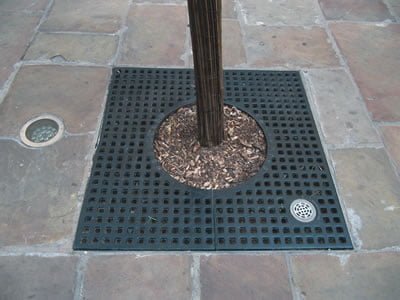
Cast Iron Tree Grates Avon

When you think of trees, images of the picturesque autumnal colours of an oak tree, or the breathtaking size of mature redwoods, come to mind. Trees give us as individuals a lot of joy and beauty, but in cityscapes, trees, if not managed currently, can be dangerous. Tree-related pedestrian injuries are much more common than you think and can result in costly settlements.

See our range of Tree Grates

Tree roots like meandering outside their designated rooting zone looking for water or nutrients, causing all sorts of damage ranging from pavement cracking to underground water pipe breakages.

Tree grates are one method to manage trees in cityscapes safely. If properly installed, tree grates essentially protect trees from pedestrians and pedestrians from trees. Tree grates are often categorized as a root management product, as they help to ensure tree roots stay in their intended rooting areas. Placed over the tree roots and around the tree trunk, grates have two primary purposes.

Related: Top Products for Tree Root Management.

Number one, to avoid soil compaction to allow for healthy tree growth, and number two, to ensure that the tree’s roots do not impact the surrounding pavements. With tree root protection underneath the grate, pedestrians are less likely to be tripped up by protruding roots. The tree grates also provide a more levelled surface, preventing pedestrian injury.

At Citygreen, we have developed a wide range of grates that will make cities greener and safer.

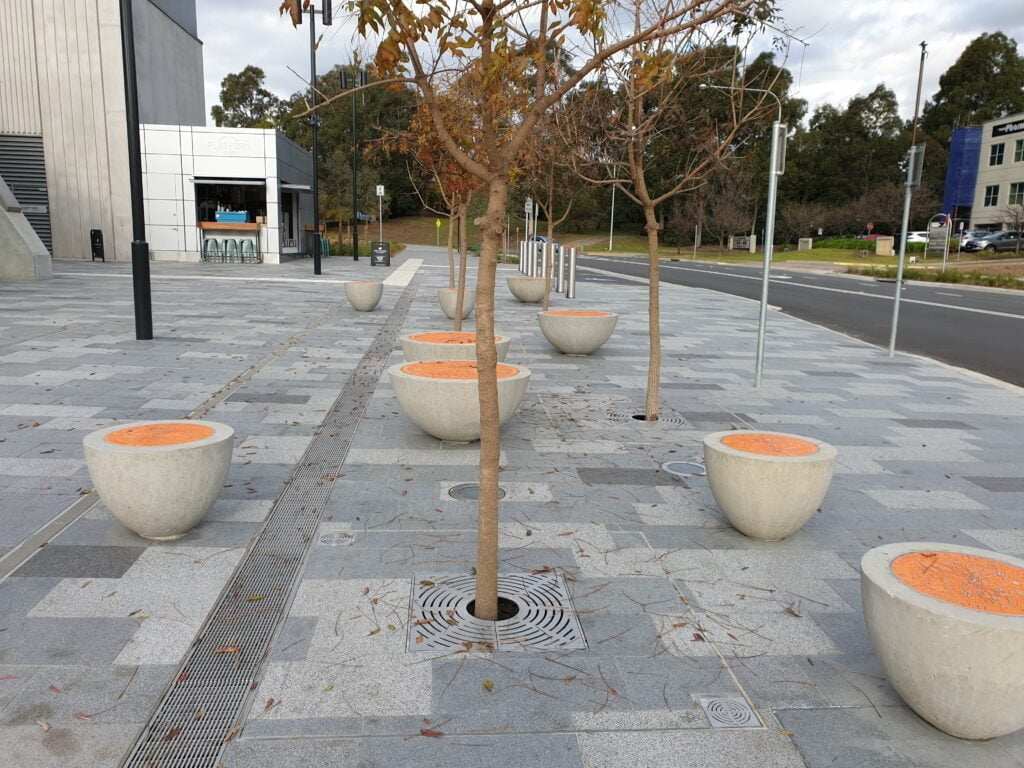
The Invisigrate™ is a pave-over grille, allowing the surrounding pavement to continue up to the tree trunk. This method eliminates any trip or slip hazards pedestrians often encounter and gives a clean style to the pavement.

This sub-surface grate can still incorporate all the essential irrigation inlets and checkpoints into the pavement. The benefit of this grate is that it allows designers to continue their choice of paving over the tree pit area for a more stylish and effortless finish.

The grate also has built-in tree irrigation/ventilation inlets and a removable inner section that allows tree growth.

tree grates installed in Sydney Australia

How do tree-related pedestrian injuries impact urban areas?

Tree-related pedestrian injuries are not only a safety concern but also a significant financial burden for urban areas. When pedestrians trip over protruding roots or encounter uneven pavement caused by tree roots, it can lead to injuries and subsequent legal liabilities for the city. These injuries result in costly settlements, which can strain the city’s budget and resources.

Related: How to Stop Pavement Lift from Tree Roots

How do tree grates prevent soil compaction and ensure healthy tree growth?

Tree grates play a crucial role in preventing soil compaction by distributing the weight of foot traffic, vehicles, or other urban elements on to the grate or grille instead of the soil itself. This weight reduction helps maintain a healthier root system, allowing trees to access essential nutrients and water from the soil without fear of tree roots being damaged or causing harm to pedestrians. This, in turn, promotes healthier and more robust tree growth & safety.

What advantages do tree grates offer in terms of pedestrian safety and avoiding pavement damage?

Tree grates offer several advantages related to pedestrian safety and pavement protection. By covering the tree roots and creating a level surface, they prevent tripping hazards caused by protruding roots. Additionally, they safeguard pavements from cracking or upheaval due to root growth, ensuring a safer walking environment.

How do Citygreen’s range of tree grates contribute to greener and safer cities?

Citygreen offers a range of innovative tree grates, including the Invisigrate™. This unique solution contributes to greener and safer cities by allowing pavement to continue seamlessly around tree trunks. The Invisigrate™ eliminates trip and slip hazards, enhances pavement aesthetics, and maintains essential irrigation and ventilation for healthy tree growth.

What features and benefits does the Invisigrate™ provide, especially regarding its design and functionality?

The Invisigrate™ is designed for both aesthetics and functionality. It seamlessly integrates with pavement, eliminating tripping hazards. It also incorporates irrigation and ventilation inlets to support tree health. Its removable inner section encourages tree growth while providing a safe and stylish pavement finish.

Core Benefits

  • Heavy duty recessed tree grille
  • Allows specifiers to continue their choice of paving over the tree pit area
  • Built-in tree irrigation/ventilation inlets
  • Removable inner section allows for tree growth
  • Robust galvanised construction
  • Available in different sizes
  • Available to comply with regular load specifications

Why is it important to strike a balance between protecting trees and ensuring pedestrian safety in urban environments?

Striking a balance between protecting trees and ensuring pedestrian safety is essential for maintaining the character and environmental feel of a city. Trees contribute to urban aesthetics and environmental benefits, but unmanaged tree growth can pose safety risks. Tree grates provide a harmonious solution by safeguarding both trees and pedestrians.

Installing tree grates is a straightforward and effective solution to enhance city safety and environmental sustainability. They offer a practical way to manage tree growth, ensuring pedestrian safety, and preserving the urban tree canopy. By adopting such solutions, cities can achieve their goals of being safer, greener, and more livable.

We can all agree that the protection of trees is vital for retaining a city’s character and environmental feel, but within cityscapes, trees need to be managed for pedestrian safety. Installing tree grates is one easy and effective way of achieving safer, greener, healthier cities.

See our range of tree guards here.

To learn more about our tree grates products, contact our friendly Citygreen Team.

tr

Why You Need A Root Director For Your Trees!

Root Director - Valentine Garden Project
A tree planted in a Citygreen Root Director

At Citygreen, we believe that trees can help to alleviate the impacts of climate change, but first, we need to get them in the ground, so they thrive in our communities.

Planting trees in our bustling cities is no easy feat. The idea that you can plant a tree into a sidewalk or verge and hope that it will survive on its own during these erratic weather seasons we now face is an idea that has now been conclusively abandoned.

So what tree management options are available to ensure trees in urban settings have the best chance to grow into productive life long assets?

At Citygreen, we believe that planting trees using an adequately designed root management system is a small cost compared to the time and labour needed to replant trees and landscapes after premature death or removal due to infrastructure damage.

What is a Root Director?

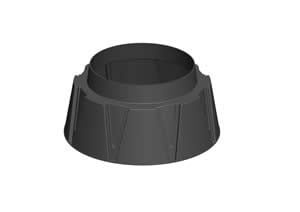
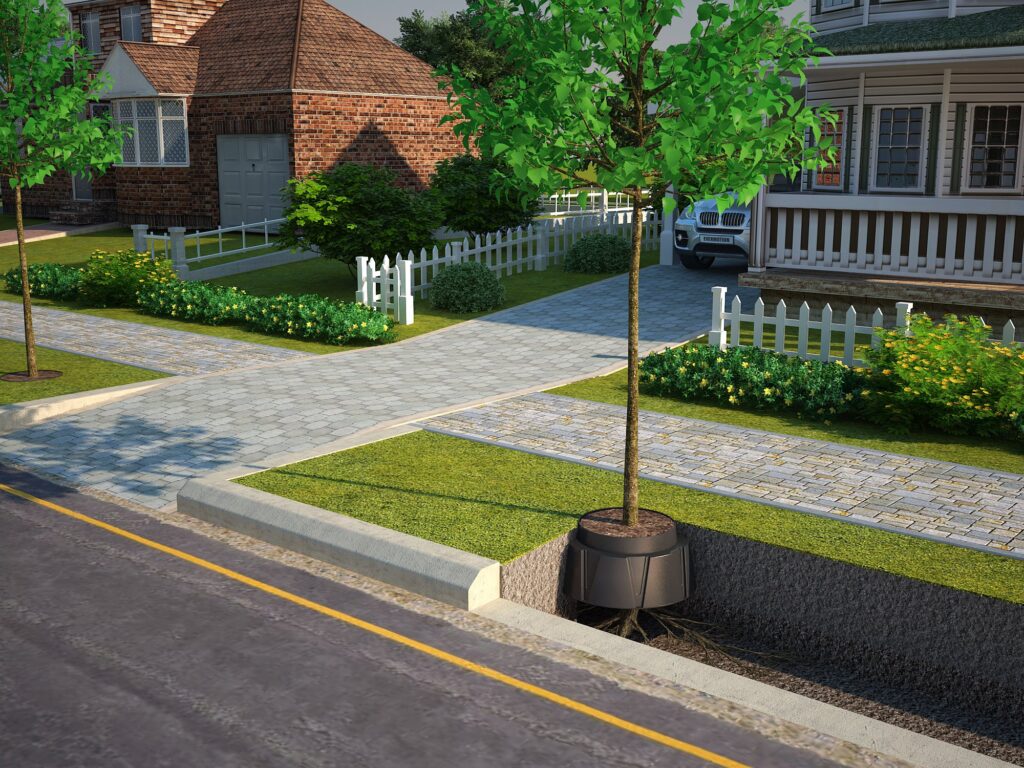
Root Director is a circular root management device designed to prevent root swirl and divert root growth downward and outward away from surround urban infrastructure such as roads, and pavements. The root director sit over the trees rootball and encourages controlled root growth, which enhances the tree’s growth and overall longevity and stability.

root director
Root Director pictured above.

Why you should use a Root Director for your next Tree

900 Root Director Conical Update 1024x1024@2x tree guard Citygreen
Rendering of a planted root director

This innovative solution provides numerous benefits that support optimal tree growth and overall tree well-being. Here’s why you need a root director for your trees:

Enhanced Root Guidance:

A root director directs the growth of tree roots downwards directly from the root ball, guiding them away from potential obstacles such as utilities, sidewalks, or structures. This ensures that roots can expand freely in a controlled manner, reducing the risk of damage to infrastructure and promoting healthy root development.

Improved Nutrient and Water Uptake:

By directing the roots towards nutrient-rich soil and water sources, a root director optimizes the absorption of essential nutrients and moisture by the tree. This results in improved tree health, increased resistance to stressors, and enhanced overall growth.

Prevents Root Circling and Girdling:

Without proper guidance, tree roots may start circling or girdling around the tree’s own trunk, leading to restricted water and nutrient flow and eventually compromising the tree’s stability and health. A root director prevents such issues by redirecting the roots outward, promoting a strong and well-structured root system..
Related: How to Manage Tree Roots

Preserves Landscape Design:

In urban and landscaped areas, maintaining the intended design and aesthetic appeal is crucial. A root director allows trees to grow in a more controlled manner, preserving the desired landscape design while ensuring the trees’ long-term health and structural integrity.

Long-Term Tree Care:

Incorporating a root director as part of your tree care strategy promotes proactive and sustainable tree management. It helps minimize the need for root pruning or disruptive maintenance practices in the future, saving time, effort, and costs associated with tree care.

Investing in a root director is a proactive measure that supports the vitality and longevity of your trees. By guiding root growth and providing essential benefits, it’s a valuable tool for maintaining healthy, robust trees that contribute to the beauty and sustainability of your landscape.

Deeper and healthier root growth means the trees can access more subsoil moisture during dry periods. During wet periods, the roots have a greater and deeper span to find available oxygen in waterlogged soils.

Also, if tree roots are not directed downwards, they will grow horizontally and cause issues to other infrastructures like pipes and sidewalks.

Related: How Tree Roots Behave.

For more information download the free digital brochure below.
RootDirector Brochure. 

How to Manage Stormwater Sustainably

An article published online by editor and writer Melissa Denchak highlighted some shocking stormwater statistics coming out of America. Denchak stated that ‘an estimated 10 trillion gallons of untreated stormwater runoff, containing everything from raw sewage to trash to toxins, enters U.S waterways from city sewer systems every year, polluting the environment and drinking supplies… [with] runoff causes significant flooding as well.’ (Denchak 2022). 

Denchak described the ‘U.S Environmental Protection Agency (EPA) estimates that upgrading the stormwater and other public water systems will require at least $150 billion in investment over the next two decades. 

This problem is not unique to the U.S, it is a problem all over the globe. The question is, how do we address the issues caused by stormwater runoff?

In this article, Citygreen will argue that green infrastructure offers a cost-effective solution to handling flooding and stormwater pollution. 

To start, let’s break down the basics. 

Why is Green Infrastructure Important for Managing Stormwater? 

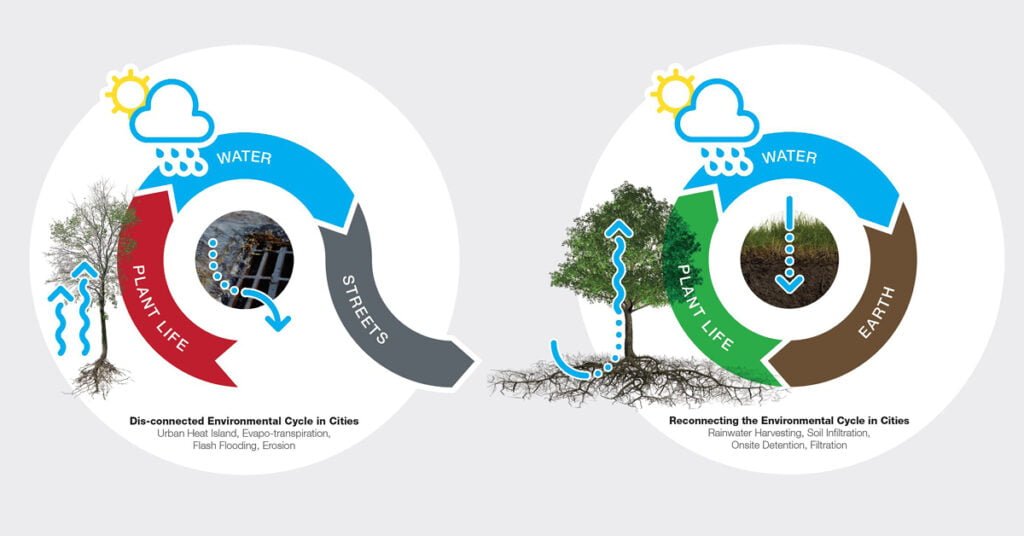
Green infrastructure sets out to replicate the circular economy of the natural environment. Attempting to mirror the efficient and self-renewing processes found in nature.

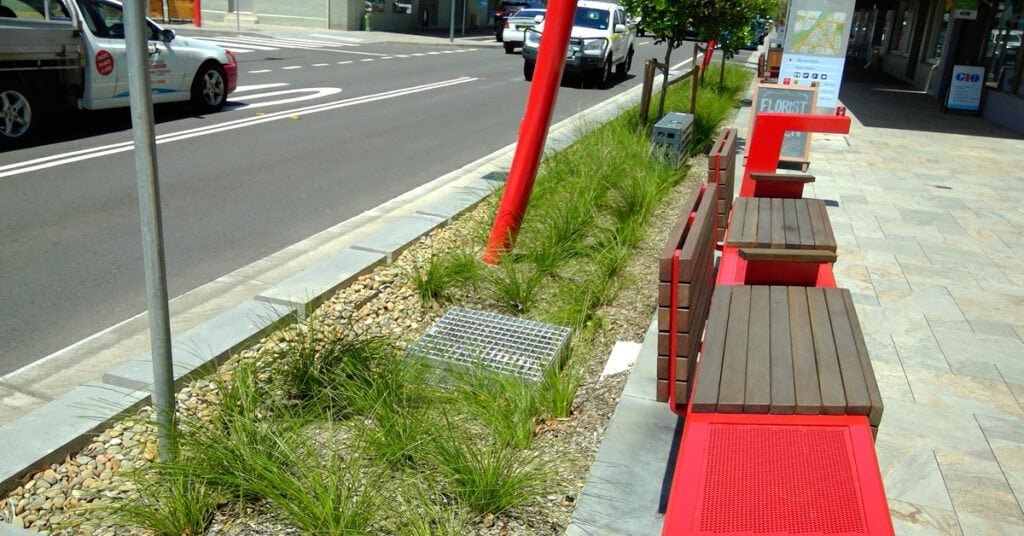
In urban settings, green infrastructure encompasses a variety of water management practices, such as treepits, planted verges, bioretention pits, swales and other measures that capture, filter, and reuse stormwater. Essentially, green infrastructure replicates natural hydrological processes using soil and plants to slow down, recycle and clean stormwater runoff.

Green WSUD stormwater mangement

What is Stormwater Runoff?

Stormwater runoff is the product of a rain event causing water to flow across the land into sewers and waterways. With the expansion of our bustling cities and the widening sprawl of our urban areas, there are more impermeable surfaces than ever, increasing the intensity of stormwater runoff.

According to Denchak, ‘the average city block can generate more than five times as much runoff as a forested area of equal size’ (Denchak 2022). 

circular economy of water

What is an Example of a Successful Green Infrastructure Project? 

Denchak proposed that New York’s Staten Island Bluebelt was the ‘first and largest green infrastructure project in the U.S.’ A rapid increase in population size saw the Island struggling to deal with sanitary waste and stormwater runoff.

The Bluebelt project ‘helped solve these issues by preserving streams, wetland areas, and other drainage corridors (Bluebelts) that use natural mechanisms to capture, store, and filter stormwater’ (Denchak 2022). Nowadays, the Bluebelt comprises more than 14,000 acres and can temporarily hold and filter as much as 350,000 gallons of rainfall. 

WSUD water drain feeding water into the tree soil vault

How does Citygreen Implement and Manage Stormwater Projects?

Over the past three decades, Citygreen has made significant investments in stormwater infrastructure projects. We learnt early on that mimicking natural systems to manage rainfall, is the most cost-effectively way to deal with stormwater runoff.

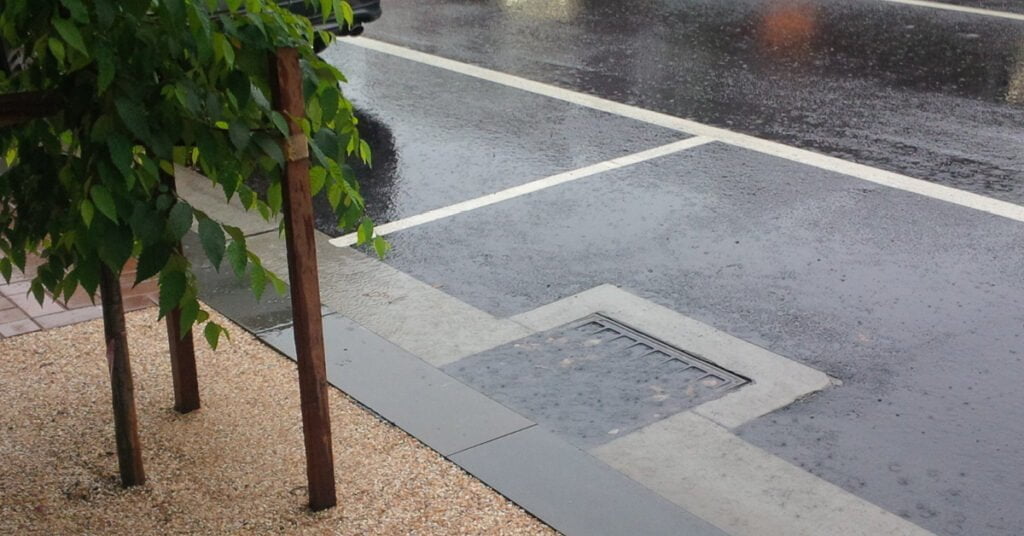
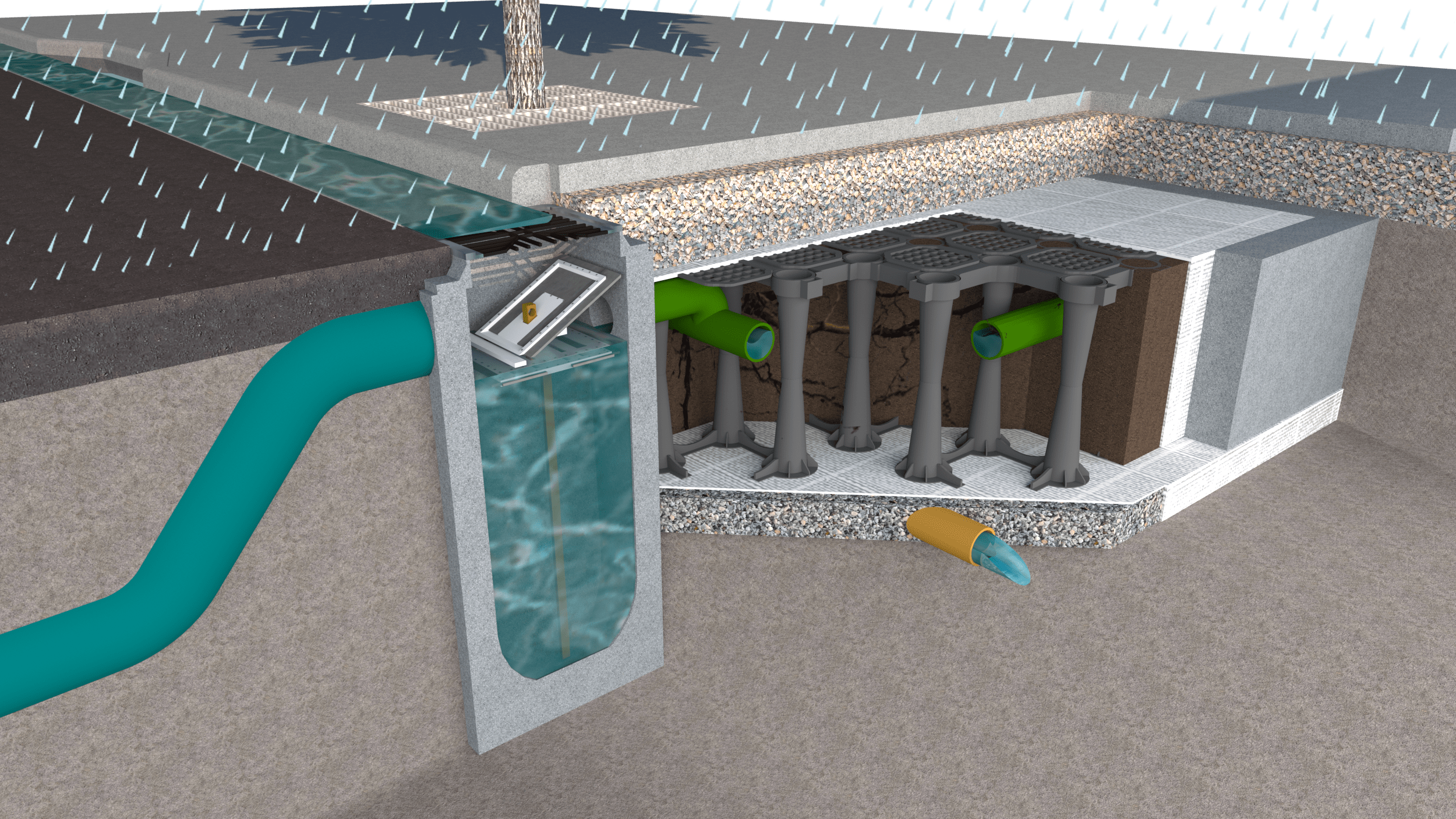
An example of a green infrastructure design that Citygreen has developed is the Strataflow™ system.  Instead of a traditional bioretention basin, Citygreen’s Strataflow™ uses an underground structural soil vault system, which delivers a high standard of stormwater treatment with a completely natural look. To any passer-by, what you see is a healthy, flourishing tree surrounded by a grassy verge, but beneath the ground is an advanced WSUD(water sensitive urban design). 

sustainable stormwater management soil cell

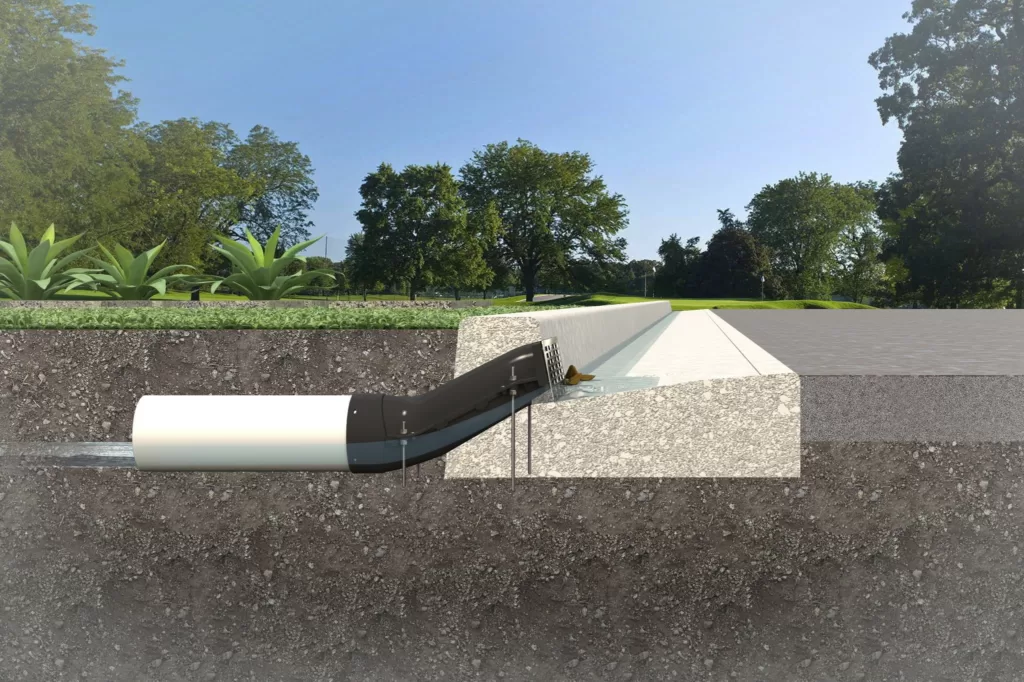
This design starts with a traditional drain or catch basin or the Strataflow Kerb Inlet; this device sits in the road kerb alignment, retaining the inherent structure of the concrete kerb. The inlet has a grate (acting as a screen) to stop larger-sized pollutants from entering the system, which inhibits healthy tree growth. 

The inlet lets water from the road carriageway flow through the front grate of the drain at a capacity of up to 18 litres/ 5 gallons per second. This allows the inlet to minimise pollutants entering waterways and reduce flood risks by controlling the stormwater flow entering our city’s underground drains. 

strataflow kerb inlet sitting in the kern

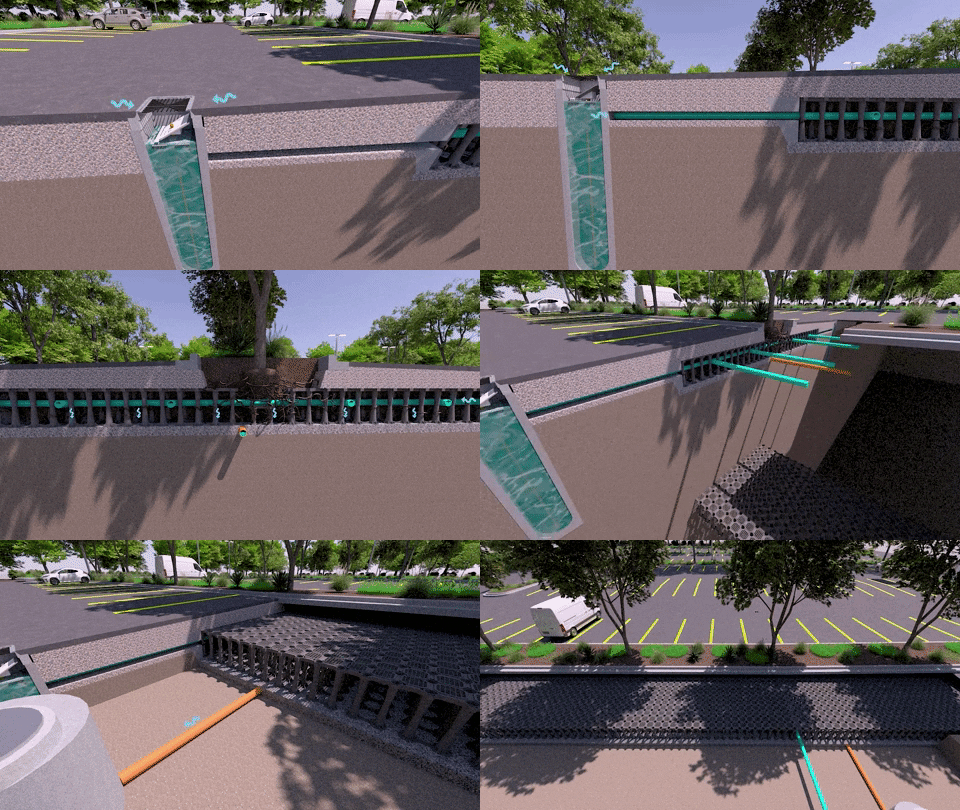
When the water flows through the street, it enters through the inlet and flows underground. From there, the stormwater reaches the advanced structural soil cell system, where the stormwater is stored, filtered and distributed effectively for the benefit of urban trees and proper stormwater management.

The inlet ensures the water drains down at the correct optimal depth beneath the pavement height. From there, the stormwater reaches the structural soil cell system and the tree’s root system, where the stormwater is stored, cleaned and distributed effectively to increase urban tree growth and proper stormwater management principles.

animation of how strataflow works to benefits stormwater usage

Essentially, Strataflow™ utilises readily available stormwater rather than potable water to irrigate street trees, which improves the vitality of trees and reduces the impact of stormwater and stormwater contaminants on the local environment, all while maintaining a high natural presentation. 

Stormwater Management Case Study

Pemberton is a small mountain town located 20 minutes North of world-renowned ski resort Whistler in Beautiful British Columbia, Canada.

In 2019 the town of Pemberton was awarded a government grant to upgrade ageing infrastructure and give their tourist town a facelift. Pemberton had some issues with flooding which they were keen to fix and at the same time wanted to create an inviting and enjoyable experience for the visitors and residents of the town.

One of the solutions was the Stratavault system, this system was placed underneath all sidewalks for two reasons. The first was to collect the mass of snow run off and rainfall that would typically flood the town, slow this water down and clean it with the soil held in the Stratavault system then push excess water into a nearby pond where it could be used for irrigation purposes throughout the town. The second was to hold enough soil so the trees that were planted in urban environments could have access to nutrient-rich soil for many years to come.

Soil Used for Stormwater Filtration

Rainwater Runoff

Book a Citygreen Consultant

Looking for a cost-effective and sustainable stormwater solution? Contact our friendly Citygreen Team today.

Load More...

“Great customer service, quick response times and a very in depth QA system with constant support.”

- Laura Wiesenekker, Project Engineer, Densford Civil -

“Citygreen is a very professional  business, and I found everything was great in terms of deliveries, product supply and information. It was all forthcoming and helped us to complete the project.”

- Keith Burns, Architect/Designer, Keith Burns Architect -

“Citygreen offered training and invaluable technical assistance during the works.”

- James Callan, Estimating Manager, Complex Co Pty Ltd -

“Our experience, in working with a Citygreen Design Studio was second to none. We found responses from the design studio to be very timely, and technically thorough. We went backwards and forwards a number of times, looking at different iterations of the design and, nothing was too much trouble to examine and explore different possibilities. I would highly recommend the Citygreen Design Studio to any future client considering using your services.”

- Sandra Smith, Principal Landscape Architect, City Of Monash -

“We are big on compliance on all projects, and the fact that their SmartCertify cloud platform covers all bases, and supports their 20 year warranties, is critical – especially that these pits are being installed under roadways and footpaths.”

- Johny Purkaystha, Civil Program Engineer, Central Coast Council -

"I reviewed all the previous projects that we have installed in the past couple years using your product and I can happily report back that we have 0% mortality in the soil cells, which is incredible!"

- Brendan Wilton, CEO, Trim Landscaping, Bedford, Canada -