What is the Best Urban Tree Planting System?

When planting trees in urban areas, there are a few specific elements to consider. The first and most important thing to consider is that healthy trees require an adequate supply of loose, well-aerated, and uncompacted soil to thrive. This enables tree roots to obtain enough nutrients, oxygen and water so trees grow to their full potential in cityscapes.

In urban environments, where soil compaction is essential to provide safe support for sidewalks, roads, buildings, and pavements, a natural conflict arises when considering the planting of trees. This conflict arises because trees and their roots thrive in loose, uncompacted soil. Over the years, various methods have been employed to address this challenge and create suitable, uncompacted soil for urban trees. Among these methods, two primary practices have gradually emerged: structural growing media and supported pavement systems.

What is Structural Growing Media?

Structural Growing Media, otherwise known as Structural soil are soil mixes designed to be fully compacted to support vehicles whilst allowing tree root growth. An example of a structural growing media is the Cornell Mix, which combines rock and soil.

In developing and researching this specific mix, Grabosky and Bassuk (1996) found that there was about 30% void space in a mixture of 1.9 cm diameter crushed gravel, which could be filled with clay loam soil. Creating a stone matrix and suspending soil within the matrix pores meant that the larger diameter rocks would lock together and allow for full compaction, while soil would remain loose for root growth.

Is Structural Media Good for Trees?

While structural media can offer many benefits for urban trees, one drawback is that the actual volume of soil available for tree growth is typically less than what you’d find in a natural, uncompacted environment. This limitation can restrict the potential size and reach of a tree’s root system, impacting its overall health and stability. Urban trees face competition for space, which can limit their ability to access essential nutrients and water.

Therefore, in situations where ample space and natural soil conditions are available, traditional planting in natural soil may provide a more generous and unrestricted environment for tree growth. However, it’s essential to weigh these considerations against the benefits structural media offers, such as improved soil quality and the ability to plant trees in otherwise challenging urban spaces. Careful planning and maintenance can mitigate these limitations and ensure that trees thrive in urban environments.
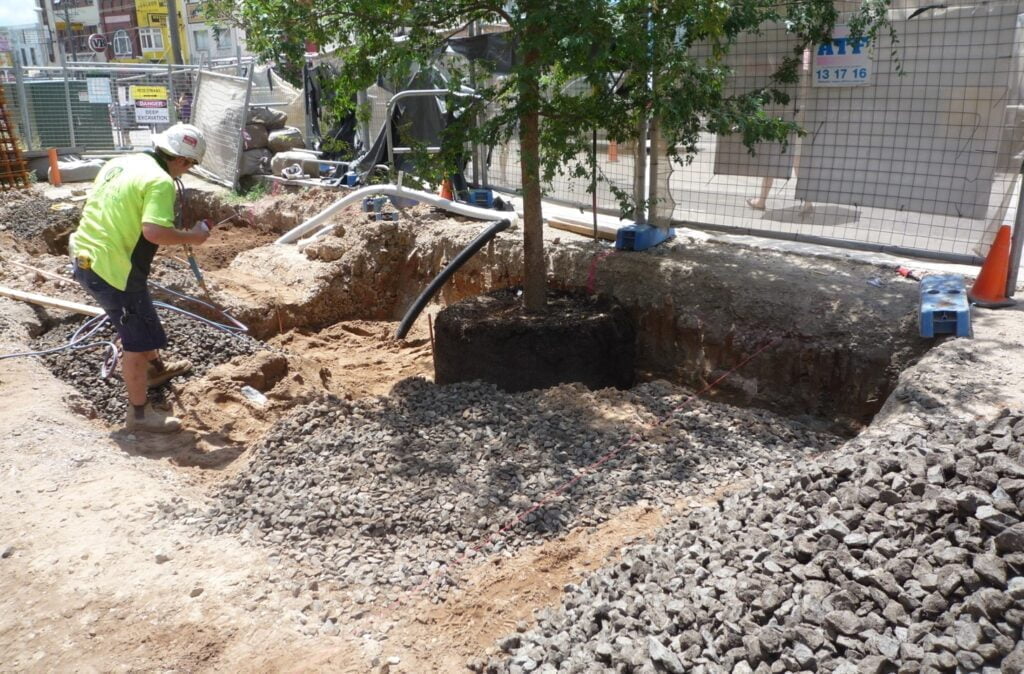
Ashfield Civic Rock Soil 1 urban tree planting Citygreen

What is Supported Pavement?

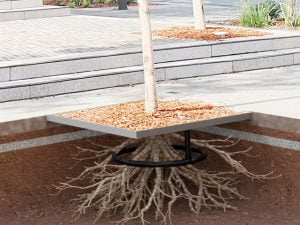
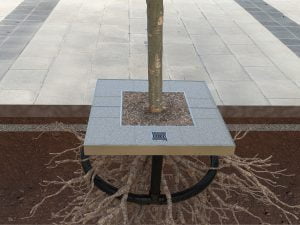
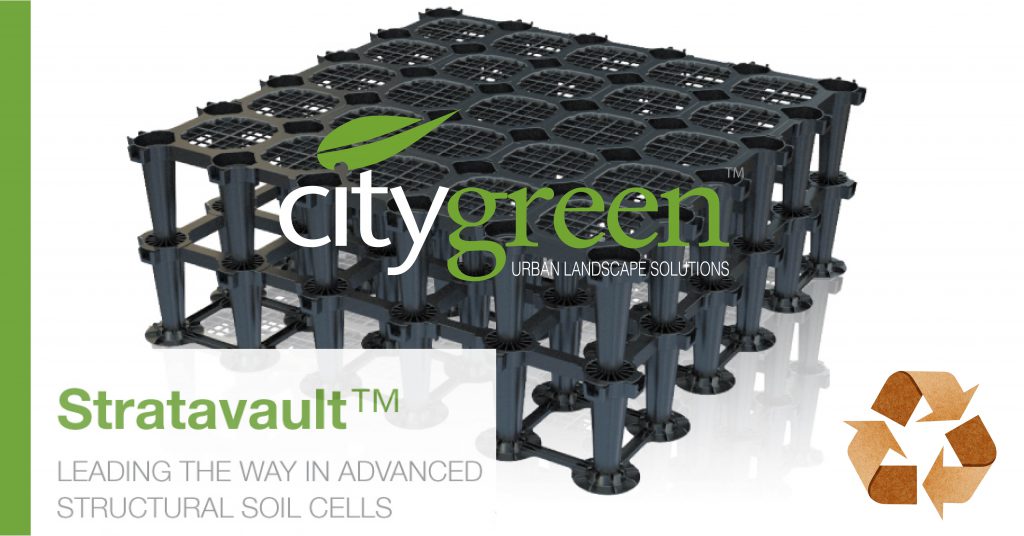
On the other hand, supported pavement systems involve engineering an underground solution for tree roots such as Stratavault so that pavement can be placed over uncompacted soil without impacting the soil quality and compaction of the soil below. Implementing a load-bearing bridge with low-density soil beneath ensures that the trees rooting space cannot become heavily compacted.

Why Use Supported Pavements for Trees?

Supported pavements are designed and used for the following reasons when it comes to trees:

  1. Root Protection: It serves as a protective layer for tree roots in urban areas. Tree roots can be sensitive to soil compaction and disturbance caused by heavy foot traffic or vehicular loads. Supported pavement provides a buffer zone that safeguards the roots from damage.
  2. Pedestrian Safety: Supported pavement ensures a level walking surface, reducing the risk of tripping and falling due to protruding tree roots. This promotes pedestrian safety, especially in areas with heavy foot traffic.
  3. Urban Infrastructure: In cityscapes, trees often coexist with various infrastructures such as sidewalks and roadways. Supported pavement helps manage tree roots, preventing them from disrupting or damaging these vital urban elements.
  4. Tree Health: By maintaining healthy soil conditions beneath the pavement in a separate contained environment such as those provided by soil cells, supported pavement allows trees to thrive in ideal growth conditions. Designed correctly it facilitates trees access to essential nutrients, water, and oxygen, promoting robust tree growth and longevity.

Studies have found that any system that allows trees to grow in non-compacted, low-density soil media will have the most excellent chance of achieving healthy tree growth (Rahman, 2013, Fite et al., 2014, Urban and Smiley, 2016).
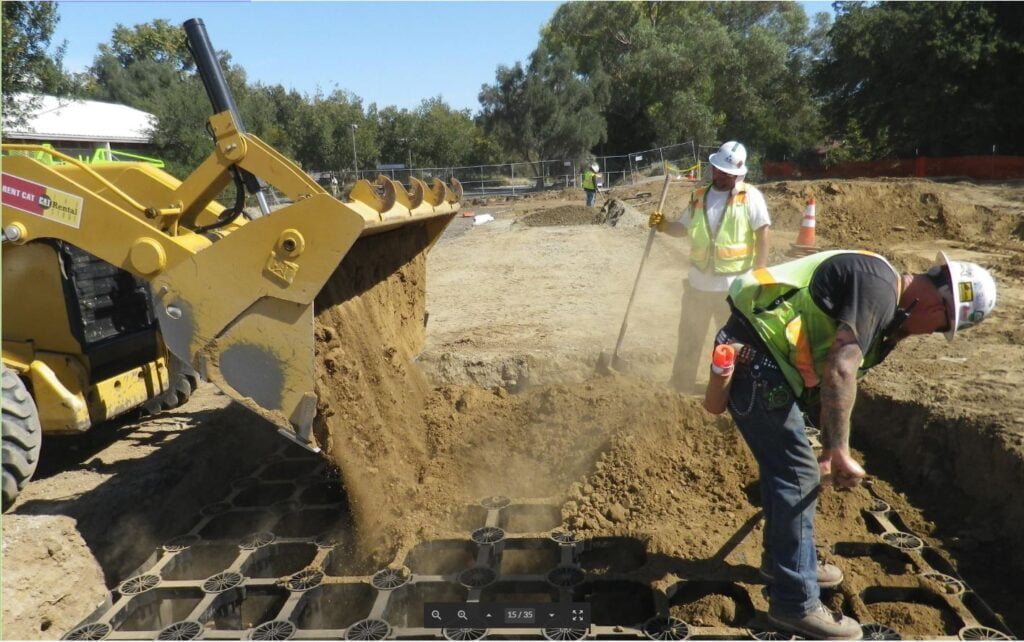
StrataVault Soil Loading 3 urban tree planting Citygreen
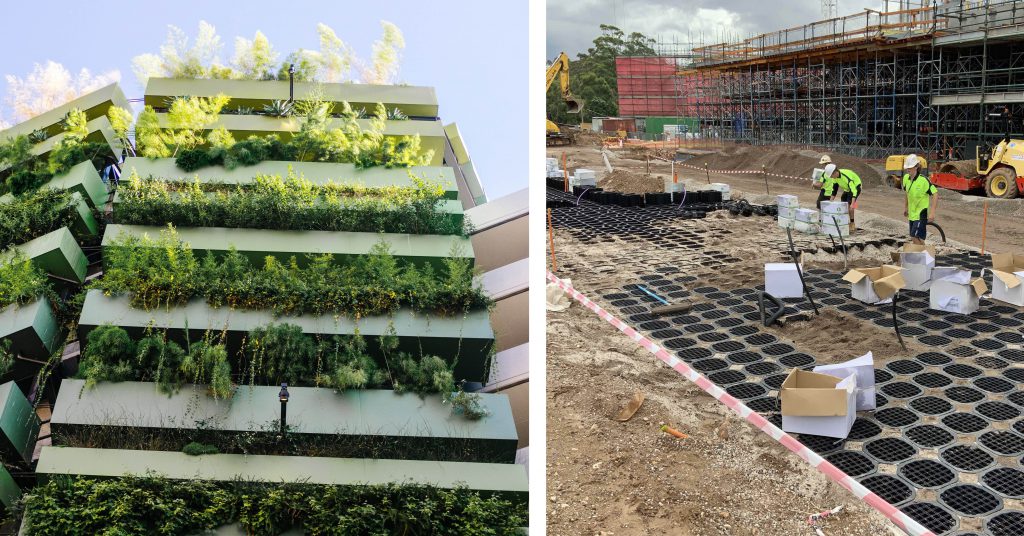
Workers placing high quality soil in a stratavault soil vault matrix

Case Study: Comparison of Soil Treatments Under Concrete Pavement

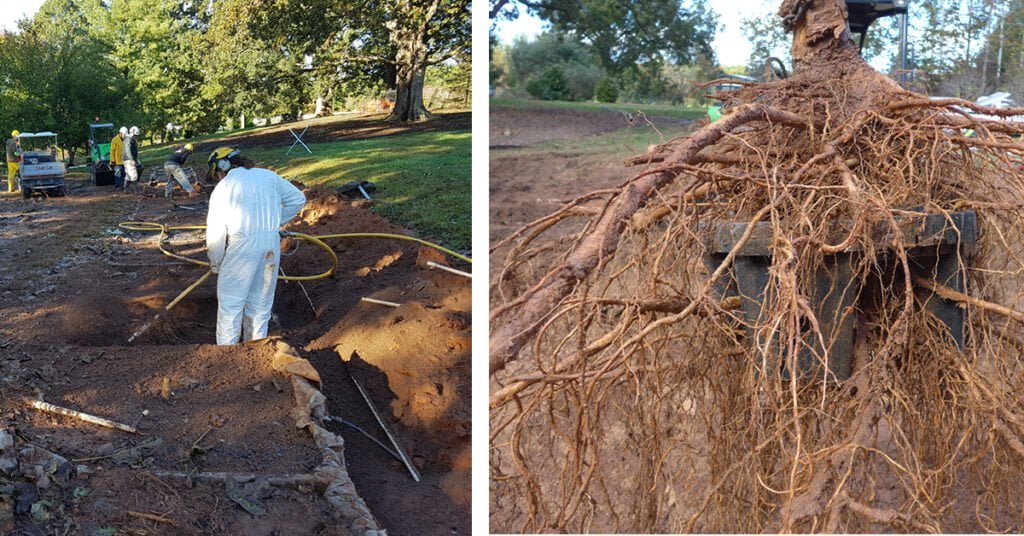
One such study that Citygreen took part in was titled ‘Comparison of Soil Treatments Under Concrete Pavement’, conducted by the Tree Research Laboratory in Charlotte, North Carolina. The research compared tree root growth using supported pavement systems and structural growing media.

In the study, Citygreen’s Stratacell systems were tested. These structural soil vaults are modular units assembled below pavement level, which meet load-bearing requirements and provide a large volume of uncompacted soil for root growth.
barlett 1 urban tree planting Citygreen

The studies showed that the trees growing in these supported pavement treatments with low-density soil media had significantly more significant growth and generally appeared healthier.

So What is the Best Urban Tree Planting Method?

While the study did not point to a ‘best product’, it proved that structural load-bearing modules like Citygreen’s Stratacell and Stratavault systems provide the best results in urban areas, where compaction is a real issue. What this means for urban planners, landscape gardeners, architects, and developers are that by simply choosing a structural load-bearing soil system, they can achieve the canopy cover they require years sooner than they might with other systems. Essentially, cities, communities and individuals can enjoy the environmental, economic and health benefits of healthy canopies’ growth faster and for longer.

Have Someone from Citygreen contact You

For more information about our products and how we can help you create greener, more liveable cities, contact our friendly Citygreen Team now by clicking here.

Download the full report

To read more about how our system performed the best in terms of maximum root depth, moisture content and foliar colour, you can download the complete ‘Comparisons of Soil Treatments Under Concrete Pavement’ here.

Download free study report

References

Fite, K., E. Kramer, B. Scharenbroch, R. Uhlig, 2014. Beyond the Great Debate: Assessing Post Installation Manufactured Soils Performance. Presentation ASLA Annual Meeting, Denver, CO, USA. Grabosky, J. and N. Bassuk. 1996. Testing of Structural Urban Tree Soil Materials for Use, Under Pavement to Increase Street Tree Rooting Volumes. Journal of Arboriculture 22:255-263. Rahman, M. A. 2013. Effect of pit design and soil composition on the performance of Pyruscalleryana Street Trees in the Establishment Period. Arboriculture & Urban Forestry 39:256-266. Smiley, TE., Urban, J., and Kelby Fite, K. Comparison of Tree Responses to Different Soil Treatments Under Concrete Pavement. Arboriculture & Urban Forestry. Nov2019, Vol. 45 Issue 6, p303-314. 12p. Urban, J. and E.T. Smiley. 2014. Evaluation of Established Trees – Structural Soils and suspended pavement – Presentation at the International Society of Arboriculture Conference Milwaukee, WI, USA.
How to Promote Deeper Root Growth and Drought Tolerance

Best Tree Root Development

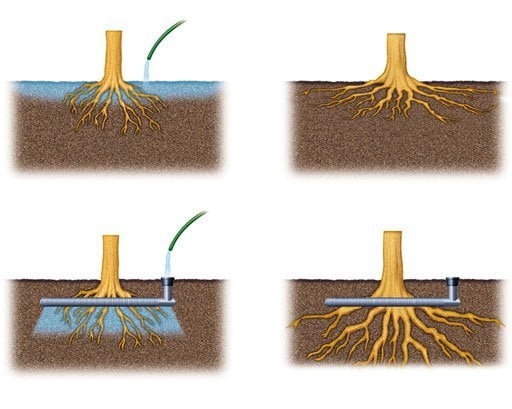
illustration of root growth with perforated piping for water and air

Sufficient oxygen, water, soil and nutrients are essential for healthy root growth and therefore healthy trees. If soil gets too wet, the voids between soil particles become filled with water and the root hairs cannot absorb oxygen. Over time the roots ‘drown’ which eventually may also kill the tree, through lack of the required water and nutrients.

The water from efficient tree irrigation is required not only for all the biochemical processes involved in photosynthesis, respiration and transport but also for mechanical support to leaf and stem tissue.  Insufficient (or inefficient) tree watering will result in loss of leaf turgor and a consequent reduction in new shoot extension. Eventually, this will lead to die-back and, if not remedied, the loss of the tree.

Oxygen may also be available at depth if the soil is not compacted and the action of earthworms has created tunnels through which oxygen can flow. Tree roots will grow near the surface unless adequate water and air are available below ground.

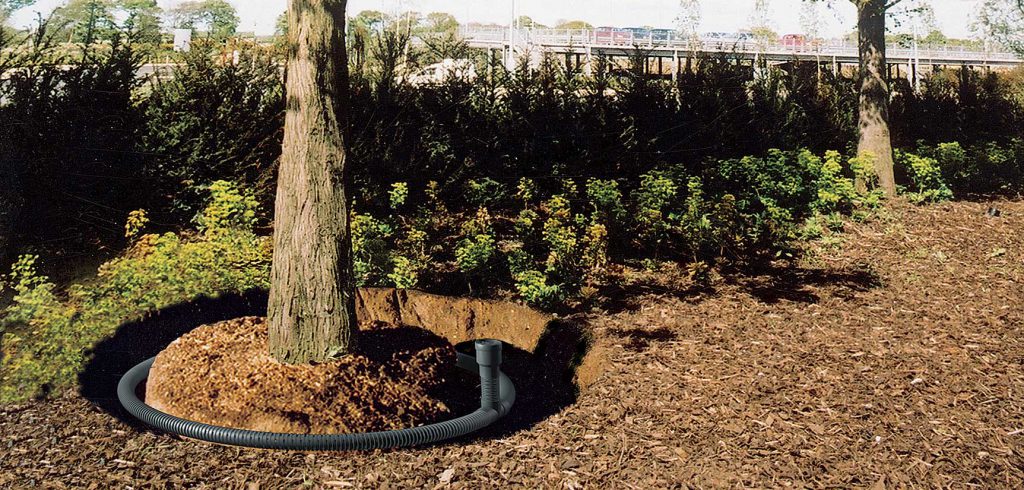
perforated piping installed around a tree to help enable deeper root growth

How to Promote Deeper Root Growth?

One method for getting tree roots to grown down is providing both the necessary water and air to the tree roots which ensures deeper root growth involves the use of a perforated flexible piping system like the Snorkil RootRain system by Citygreen. At the time a tree is being planted, the pipe may be looped around the root ball within the immediate rooting zone of the new tree, and also in the outer rooting zone, looped throughout the root cell matrix. The pipe is then connected to an inlet located at the tree pit surface. This method may be adapted for use beside roadside verges and open space tree planting or in heavily-trafficked areas.

It’s important to remember that after planting to water the rootball directly as the tree only benefits from what its tree roots can reach.

How to get tree roots to grow down?

03 Garden inlet perpespective 00000 1 urban tree planting Citygreen

Tree roots only grow in areas that have nutrients, water, and oxygen that’s why generally speaking tree roots stay in the top 18 – 24 inches of soil depth as infiltration from oxygen and water starts to lessen.

Adding a perforated piping system to the tree roots like a Snorkil root rain can ensure that oxygen and water can easily access tree roots at a deeper depth and guide the trees deeper into the soil away from the surface.

The water inlet

The inlet enables a water hose to be attached when water is needed. The rest of the time the pipe, being looped in a circuit, allows air to flow passively through the system and around the roots of the tree. Changes in air pressure above ground are also accommodated. This arrangement enables long deep watering over the entire root system and the opportunity for the soil to dry between watering, which is better for trees and root growth than frequent light watering.

Snorkil™ RootRain

garden single 4th view cropped urban tree planting Citygreen

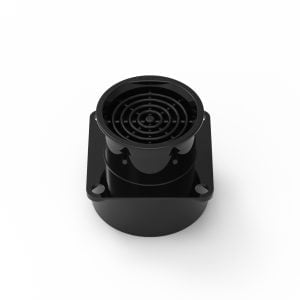
RootRain™ Urban is a large capacity irrigation system with a fixed non-removable grid inlet. The grid allows water and air through but prevents ingress of litter and debris.

Suited for: Roadside verge and open space tree planting. 

Snorkil™ Rondo & Plaza Series

plaza kit single 4th view urban tree planting Citygreen

The Snorkil™ Rondo (round inlet) and Snorkil™ Plaza (square inlet) series have been specially designed to interlock with our range of integrated tree grilles or be set in the pavement to provide an attractive and durable way of maintaining aeration for tree root systems.

This provides a tamper-resistant system that will also prevent the inlet from sinking as a result of any soil settlement around the tree.

Suited for: Integrated tree grilles or to be set in the pavement.

Why we should recycle Thermoplastics for Green Infrastructure

email 2 urban tree planting Citygreen

Introduction

As practising “green building” professionals, we are all constantly searching for the best materials for our projects. The selection of building materials that are well-engineered, cost-effective and ecologically-sound is a process that defines our effectiveness and ultimately the success of our projects. We all know how challenging it is to stay ahead of the “technology curve”, and that our understanding of the latest innovations in materials is critical to the realization of results that meet or exceed industry standards and the needs of society in general.

Technological advances in the design and production of recycled plastic “green” building materials provide us with opportunities to “push the envelope” with respect to the three important criteria mentioned above. Up-to-date and accurate information is the key to being positioned to take advantage of advances in green building materials. The following article first steps back slightly to examine the primary concepts behind the role of recycled plastics in green infrastructure projects, then looking at more-specific applications and the future of plastics, so that we all may be completely informed in our choices going forward.

What are Thermoplastics?

Also known as “engineering plastics”, thermoplastics comprise a group of materials that exhibit superior mechanical and thermal properties in a wide range of conditions over and above more commonly used commodity plastics and other materials. The term usually refers to thermoplastic (softer) materials as opposed to “thermoset” (harder) plastics. Engineered thermoplastics are typically used for parts rather than containers and packaging. A thermoplastic is made from polymer resins that can be reheated and reshaped repeatedly. These important characteristics allow the manufacturing process to be reversible, therefore making most thermoplastics recyclable.

Why Recycled Thermoplastics?

  • Recycled plastic provides a sustainable source of raw materials to the green manufacturing and building industry.
  • Reduction of environmental impacts, such as greenhouse gas emissions, associated with the production of new plastic-rich products.
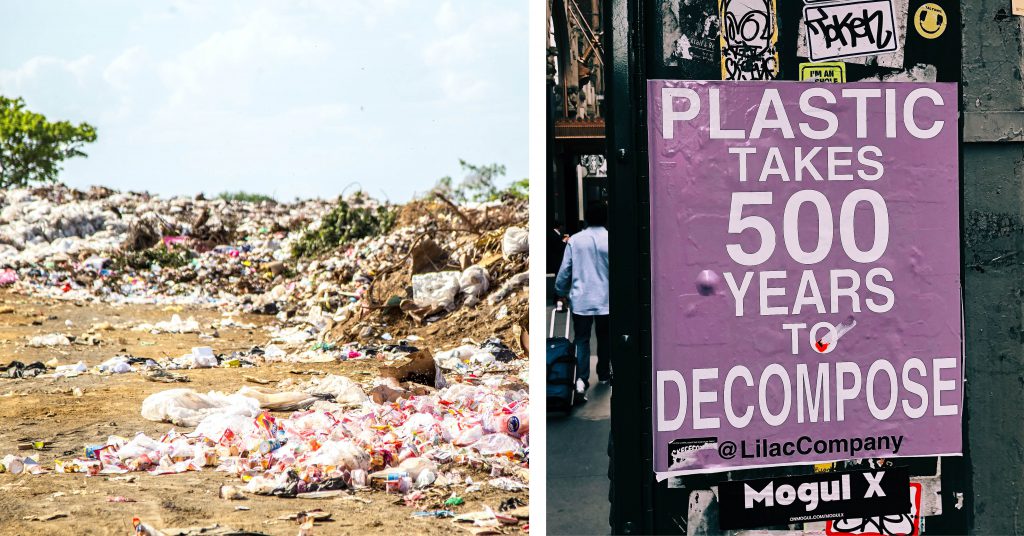
  • Greatly reduces the amount of plastic entering the primary waste stream, thus sparing our already overcrowded landfills.
  • Reduction in consumption of the world’s limited natural resources, i.e.: oil.
  • Recycled plastic production represents far less “embodied energy” than the production of new, virgin polymer products.
  • Recycling in general promotes sustainable lifestyle choices.
  • Recycled plastic parts lower the cost of product manufacturing and transportation (shipping).
  • Thermoplastic products can be recycled again and again, whereby effectively closing the “lifecycle loop” of the resource.

What is Green Infrastructure anyway?

Depending on which particular interest group is defining it, green infrastructure has been used to refer to everything from innovative green roofs, to more ecologically-sensitive stormwater management systems, to large integrated networks of natural areas. What these different interpretations have in common is the essential recognition that our built environment and our ecological environment are irreversibly connected and closely interrelated.

When the term is used at a smaller scale, such as an urban park or streetscape, our working definition can be an interconnected system of man-made landscapes, natural areas and open space that preserves and enhances the sustainability of the ecosystems promotes clean air and water, and significantly benefits people and wildlife. It should be pointed out that green infrastructure at the smaller; “implementation-level” involves the design, manufacture and installation of the best possible components of the physical systems, such as tree grates, structural soil cells, permeable pavement, drainage systems, etc.

Some other informative definitions of green infrastructure are:

“Green infrastructure can be considered a conceptual framework for understanding the “valuable services nature provides the human
environment.” At the national or regional level, interconnected networks of park systems and wildlife corridors preserve ecological function, manage water, provide wildlife habitat, and create a balance between built and natural environments. At the urban level, parks and urban forestry are central to reducing energy usage costs and creating clean, temperate air. Lastly, green roofs, walls, and other techniques within or on buildings (and building sites) bring a range of benefits, including reduced energy consumption and dramatically decreased stormwater runoff. Regardless of scale, green infrastructure provides real ecological, economic, and social benefits.”

American Society of Landscape Architects 

“As communities develop and climate patterns shift, stormwater management needs can only be expected to grow. While single-purpose grey stormwater infrastructure is largely designed to move urban stormwater away from the built environment, green infrastructure reduces and treats stormwater at its source while delivering many other environmental, social, and economic benefits. These benefits not only promote urban livability but also add to the bottom line.”

US Environmental Protection Agency

birds eye view of green infrastructure in an urban city

The Benefits of Green Infrastructure

Green infrastructure systems protect and restore naturally-functioning ecosystems and provide a framework for future development. These systems provide a wide range of ecological, social, and economic functions and benefits, such as cleaner air and water, restoration and conservation of natural resource processes, enriched habitat and enhanced biodiversity, increased recreational and transportation opportunities, improved human health, and better connections to nature. Well-designed and implemented man-made and natural green spaces have proven to increase property values and significantly decrease the costs of public infrastructure and public services.

sergio souza 0tRW2N SuQE unsplash scaled e1614039301919 urban tree planting Citygreen

The Benefits of Recycled Thermoplastic Materials

  • Durability-recycled plastic building products have proven to be extremely resistant to harsh environmental conditions. Plastic does not have to be painted, resists corrosion, and can be engineered to be incredibly strong.
  • Non-toxic-recycled plastic materials/parts will not leach undesirable chemicals into the environment.
  • Lower production costs-recycled and repurposed plastics are far more cost-effective than using expensive virgin polymer resins.
  • Lower shipping costs-plastic materials typically weigh less than other materials (wood and steel for example) thus transportation costs are lower.
  • Reduced environmental impacts (reduced embodied energy)-it simply requires less overall energy to produce, transport and installs recycled plastic products.

Some specific Applications of Recycled Plastic in Green Infrastructure

email 3 urban tree planting Citygreen

LEED Credits for Recycled Plastic Materials

LEED (Leadership in Energy and Environmental Design) offers credits for the use of recycled products, including recycled plastics, in buildings, site development and landscaping in their highly regarded green building rating system.

Specifically, products like Citygreen Stratacell and Stratavault Systems may qualify your project for generous contributions toward LEED certifications, with recycled content being a high contributor. Contact info@citygreen.com for more information regarding their products and LEED credits.

Visit usgbc.org for more information and proposed changes to LEED rating systems.

The Future of Plastics and Green Infrastructure

The future “Greening of Plastic” doesn’t stop with the efficient recycling of a petroleum-based resource. Advances in science are forthcoming that will further revolutionize the way we manufacture and use plastic. The development of “organic plastics” or Polypropylene Carbonates (PPCs) is moving forward, and in the near future, plastics will be made from the combination of carbon dioxide and propylene oxide. This new product will perhaps eliminate the need for petroleum-based plastics altogether while utilizing a largely unwanted and ecologically-harmful element. Whether transparent, flexible, or rigid, PPC is poised to become the revolutionary product of the plastic world, and in a few short years, can be mass-produced by the chemical giant BASF.

Plastic, no matter the source, will continue to be a major factor in improving the durability and energy efficiency of future green infrastructure. The continued use of recycled thermoplastic materials will undoubtedly result in significant reductions in the overall carbon footprint of infrastructure development around the world.

Stratacell urban tree planting Citygreen

How To Lower Urban Heat With Tree Canopy

Changing the built environment to incorporate more tree canopy and greenery to lower Urban Heat
Transformation of an impervious parking lot site in Lawrenceburg, Indiana to a public green space providing a desirable amenity to the community, while also reducing UHI and stormwater run-off.

What is an Urban Heat Island?

graphic of the urban heat island effect

An urban heat island occurs when a city experiences much warmer temperatures than in nearby rural areas. The difference in temperature between urban and less-developed rural areas has to do with how well the surfaces in each environment absorb and hold heat.

How Does an Urban Heat Island happen?

The primary driver of UHIs is human activity. Urban areas have a higher concentration of buildings, roads, and other infrastructure that absorb and retain heat from the sun, particularly materials like asphalt and concrete. These surfaces, often referred to as “heat sinks,” can absorb a significant amount of heat during the day and release it slowly at night, keeping urban areas warmer.

Urban Heat Island effect (UHI) is a very real challenge in cities -it’s recorded and documented that cities are heating up, becoming far hotter in some cases than any modern recording statistics available. Urban climates are distinguished by the balance between solar gain and heat lost from walls, roofs and ground; by heat exchange via air movement between ground, buildings and atmosphere; and by the generation of heat within the city itself (Earl et al, 2016).

The nature of urban materials and surfaces (hard, paved), land cover (lacking vegetation) and metabolism (waste heat from transport, industry and air conditioning) creates a significant temperature discrepancy between city and country –the abovementioned urban heat island (UHI) effect (Akbari et al, 2008).

Quality of Urban Life at Risk

The combination of a warming climate, Urban Heat Island effect (UHI) and longer, hotter and more frequent heatwaves is having a growing impact on the quality of urban life, from simple low-grade misery to increased risk of death. Lack of vegetation cover is a defining feature of built-up urban areas.

It is also a major contributor to the Urban Heat Island effect (UHI) effect through decreased evapotranspiration in cities. Vegetation facilitates Urban Heat Island effect (UHI) mitigation via evapotranspiration, shading and providing cooler surfaces to reduce mean radiant temperature (the ‘averaged’ effect of heat radiating from surrounding surfaces).

Suitable species selection and planting design with taller vegetation – shrubs and trees – can also help channel cooling breezes to where they are needed. In addition, urban vegetation supports the combat of climate change by more effective stormwater management, improved air quality, biodiversity, urban ambience and energy-saving, often referred to as ‘co-benefits’.

How to reduce the urban heat island effect

  • Build green infrastructure improvements into regular street upgrades and capital improvement projects to ensure continued investment in heat-reducing practices throughout your community.
  • Planting trees and other vegetation—Space in urban areas might be limited, but integrating small green infrastructure practices into grassy or barren areas, vacant lots, and street rights-of-way can be easily done
  • City officials like the city of Cockburn in Western Australia, are starting to implement Urban Forest Plans to increase the tree canopy and help the city use trees to address urban heat, stormwater management, and other concerns. Read the article ‘The city of Cockburn is aiming to to increase streetscape shade with urban forest plan’ here.
    • Making traditional water quality practices serve double duty by adding trees in or around roadside planters and other green infiltration-based practices to boost roadside cooling and shading.
    • Transforming communities by planting native, drought-tolerant shade trees and smaller plants such as shrubs, grasses, and groundcover wherever possible.
  • Building green roofs and living walls —Green roofs and living walls are an ideal heat island reduction strategy, providing both direct and ambient cooling effects.  In addition, green roofs improve air quality by reducing the heat island effect and absorbing pollutants.

How a Connected Tree Canopy lowers Temperature

Connected tree canopy to lower urban heat

In a healthy forest, there are different layers of plants besides just the trees. These layers include the mid-canopy, understory, and ground cover plants. This layering creates a temperature difference, with the top of the trees being warmer and the ground cover being cooler.

Because cooler air is denser, it causes air to flow downward through these different layers, eventually reaching the ground. As the air cools, it releases moisture, which condenses on the leaves of plants in the lower layers. This process helps capture more water than what occurs in the upper canopy of trees.

Even below the ground, a network of tree roots and fungi can absorb humidity from the air if the soil allows air and water to pass through. This means that not only do water droplets form on leaves, but invisible water vapor can also enter the soil.

This is important because when you compare a diverse, layered forest to a single-species forest without these layers, the diverse forest captures more moisture through this process. In monoculture forests like pine or eucalyptus plantations without diverse plant layers, there is less downward airflow, leading to a decrease in moisture in the soil.

Trees act as nature’s water factories, capturing moisture and nutrients from the atmosphere. The vast surface area of a tree, including its leaves, branches, and trunk, allows it to intercept humidity, dust, pollen, and more from the air.

As moisture condenses on a tree’s surfaces, it eventually drips down to the soil, bringing valuable nutrients with it. This process contributes significantly to the total precipitation that falls in a forest. When it rains, trees intercept raindrops and guide them down to the soil, where the water is absorbed by the tree’s roots. This natural process creates a water storage system in the forest.

Trees not only store water but also release tiny particles into the atmosphere, serving as nuclei for raindrop formation. This means that trees contribute to rainfall, not just in wet tropical regions but everywhere. They help maintain a balance in our water cycle, ensuring consistent and steady water flow.

However, when we remove trees through deforestation, we disrupt this delicate balance. Less rainfall occurs on barren land, leading to droughts, while downstream areas experience floods due to the absence of tree-covered hillsides that would have moderated the flow of water.

Green space for shading and mitigation of heat island effect

Urban Tree Amenity, Mitigation of Heat Island Effect

How to Plant More Trees in Urban Areas?

See our ‘Ultimate Guide on How to Plant Trees in Urban Areas’ article to get a holistic view of the full urban tree planting process.

World’s first vertical forest for low-income housing coming to the Netherlands

Stefano Boeri is famous for his vertical forests around the globe, but his latest project will be the first forest tower funded by a social housing project to provide low-income housing. The Trudo Vertical Forest, located in Eindhoven, will showcase how good architecture can tackle both climate change and urban housing issues.

Stefano Boeri Architetti Eindhoven Trudo Vertical Forest 2018 facade view urban tree planting Citygreen

The tower will consist of 19 stories with 125 units –all covered in a luscious vertical forest featuring 125 trees and 5200 plants. The 246-foot tower will be covered in a rich, biodiverse environment to help control urban pollution and provide homes for a variety of animals and insects.

Boeri said, “The high-rise building of Eindhoven confirms that it is possible to combine the great challenges of climate change with those of housing shortages. Urban forestry is not only necessary to improve the environment of the world’s cities but also an opportunity to improve the living conditions of less fortunate city dwellers.”

Francesca Cesa Bianchi, Project Director of Stefano Boeri Architetti, said, “The Trudo Vertical Forest sets new living standards. Each apartment will have a surface area of under 50 square meters and the exclusive benefit of 1 tree, 20 shrubs and over 4 square meters of terrace. Thanks to the use of prefabrication, the rationalization of technical solutions for the facade, and the consequent optimization of resources, this will be the first Vertical Forest prototype destined for social housing.”

Stefano Boeri Architetti Eindhoven Trudo Tower overall view 1 urban tree planting Citygreen

Source:https://inhabitat.com/the-worlds-first-vertical-forest-for-low-income-housing-is-coming-to-the-netherlands/

Study shows London trees absorb as much Carbon as Tropical Rainforests

mysterious morning in tropical rainforest PD8K694 urban tree planting Citygreen

Mysterious sunrise in deep tropical rainforest in Thailand mountains.

In dense urban cities like London, city parks are beloved for the green space and respite they provide. They also help to keep the heat island effect in check by absorbing carbon dioxide. In fact, a study published in Carbon Balance and Management found that urban forests and London trees may be storing as much carbon as tropical rainforests.

One of the researchers of the study, Mathias Disney, said, “Urban trees are particularly effective at absorbing [carbon dioxide]because they are located so close to sources such as fossil fuel-burning transport and industrial activity.

“To determine just how good the trees in Camden are at absorbing carbon dioxide, Disney and his fellow researchers at University College London (UCL) set out to measure the trees in the London borough of Camden. Using airborne LIDAR (Light Detection and Ranging) scans of trees combined with LIDAR scans conducted on the ground, the researchers not only estimated the biomass of the 85,000 trees in Camden but also created a formula to predict the differences in size-to-mass ratios between urban and non-urban trees.

In areas such as Hampstead Heath, researchers found trees store up to 178 tonnes of carbon per hectare (t/ha) in comparison to the median value for tropical rainforests of 190 tonnes t/ha. Camden is also a particularly carbon-heavy borough.

So, there’s a lot of carbon to soak up and trees are just the organisms to do it–making them hugely valuable. According to a UCL press statement about the study, Treenomics estimates that the environmental value of Greater London’s trees is around £133 million a year ($176 million), with their carbon storage capacity worth around £4.8 million a year.

Disney said, “This may equate to less than £20 a year per tree, but the real value may be much higher, given how hard it is to quantify the wider benefits of trees and how long they live. The cost of replacing a large, mature tree is many tens of thousands of pounds, and replacing it with one or more small saplings means you won’t see the equivalent net benefit for many decades after.”All the more reason to give urban trees the best possible start with enough uncompacted soil and room to grow, ensuring their longevity for years to come.

London trees

General view of a local Park in London

Source: https://www.mnn.com/earth-matters/wilderness-resources/stories/london-urban-forest-carbon-storage-match-rainforests

8 Reasons Why We Need Trees In Our Cities

Why we need more trees? picturesque view of an urban park bursting with trees

Top view of an urban city park

Why We Need Trees for our Cities

Many cities and urban communities around the world are beginning to make improving their “green infrastructure” a priority because they understand how vital trees are.

Trees provide benefits that improve the quality of city life, making urban environments more liveable and sustainable for everyone. Trees also help mitigate the negative outcomes that come with the modernisation of facilities, businesses and services in our communities, such as pollution, heat and density.

But most importantly (and often overlooked) is that trees can actually produce positive returns for the economy, especially when they are well taken care of.

To provide some insights into why we need trees and the true value of urban trees, we’ve prepared a list explaining their importance, why cities need trees and the different solutions you can utilise to help them thrive for a long time.

city park in shanghai PWT3W7V urban tree planting Citygreen

City park and modern financial buildings in Shanghai

Acting as the “lungs” of growing cities across the world, here are the reasons why we need trees in the urban landscape:

  1. Trees make cities more visually appealing.

Urban trees provide an aesthetic touch to our streetscape. By adding colour to grey spaces and separating various urban fabric elements (meaning pedestrians, motorists, buildings, parking lots, etc.) from one another, they transform busy cities into more harmonious and pleasing environments.

  1. Trees improve air quality in cities.

With growing populations and advancing industrialisation, air pollution is an unavoidable problem in developing cities. Fortunately, trees can minimise the toxic levels of air by drawing out carbon dioxide.

A mature tree alone can absorb up to 48 pounds of carbon dioxide, while trees within street proximity absorb 9 times more pollutants than those planted far from each other. Research also shows that ozone is improved by 3% to 7% every time urban tree canopy increases by 10%.

  1. Trees create a cooling effect.

Concrete streets, parking lots and asphalt buildings can increase urban temperature by around 3-7 degrees. By transpiring water and providing shade, trees are known to reduce this heat and create a cooling effect on local temperatures.

With proper urban street tree planting, an average household in the city can also save around 15% to 35% off their energy bills.

  1. Trees provide health benefits to citizens.

With their capacity to protect people from pollution and harsh weather, trees are helpful to those who are suffering from asthma, skin cancer, hypertension and other stress-related sicknesses.

Trees can also address noise pollution issues that bother most people living in cities. Each mature tree can reduce unwanted noise by up to 6 decibels, while a vertical wall of trees serves as a buffer to loud street sounds.

  1. Trees improve the mental health of citizens

Aside from the physical health advantages, they also improve the overall mental health of people too.

Being surrounded by trees lowers the level of stress hormones (cortisol) in our brains. Through their calming influence and therapeutic effect, they reduce the risk of stress and anxiety in a population.

  1. Trees allow cities to save costs.

A research performed in the U.K. by Natural England reported that every £1 spent on tree planting yielded £7 savings – which equated over £2.1 billion, if taken nationally.

This is because, throughout their lifetimes, trees provide tangible benefits twice the amount invested into planting and caring for them.

Such benefits can range from climate change mitigation, ecosystems conservation, disaster prevention, livelihood improvement and sustainable infrastructures.

  1. Trees drive the values of properties up.

By providing a more pleasant and safer environment, surrounding trees increase property values by an average of 5% to 20%. According to professional realtors, street trees also add more value to adjacent houses and businesses than non-street trees.

  1. Trees enable cities to manage their stormwater better.

A massive portion of our cities’ ground surface is composed of impermeable materials that don’t effectively absorb water and mitigate flooding.

Each mature and healthy tree, however, is capable of absorbing up to 450 litres of water through its roots. In addition, trees effectively prevent stormwater (which might contain harmful chemicals) from reaching water courses.

central park PYMYXZX urban tree planting Citygreen

Central Park with Manhattan skyscrapers over Turtle Pond, New York

How to Ensure the Healthy Growth of City Trees

Generally, Trees don’t grow well in cities but these 8 benefits provide a very compelling reason as to why we need trees and the importance of planting more trees in urban environments.

Urban trees provide multiple benefits that can make cities greener, more sustainable and healthier. But to take full advantage, these trees must be capable of surviving and thriving in the urban landscape where room for growth is usually limited.

Unfortunately, many urban trees fail to reach maturity because they are deprived of essential soil support, proper irrigation and space for their roots to flourish.

Using technology-based products like soil vault systems, tree pit irrigation, tree guards and other root management solutions can go a long way in making sure these city trees will mature healthily in the urban landscape so the local area can benefit.

Citygreen has a wide range of innovative infrastructure products that can assist you transform grey spaces into green ones.

urban park and apartment houses in autumn P2USK9T urban tree planting Citygreen

above view of urban Timiryazevskiy park and apartment houses in Moscow city in autumn

woman training in urban park at sunset PWNF64H urban tree planting Citygreen

About Smart Precincts: the future of city planning

shutterstock 436600507 2 urban tree planting Citygreen

Our world is constantly evolving with the advancement of technology, the growing needs of global populations and depleting natural resources.

To adapt to these changes and secure the future for the next generation, we must embrace innovation in the way we live, work and play. This is where “Smart Precincts” enter the picture.

Rising as an emerging trend to cope with social, environmental and technological shifts, smart precincts are development projects that transform urban districts into thriving sustainable spaces through the use of forefront technology. It’s the future for cities across the globe.

Simply put, smart precincts serve as building blocks to creating smart cities which fully facilitate forward-focused technology to solve physical problems, improve the efficiency of city services and enhance the quality of life for all.

Here’s what you need to know.

What are Smart Precincts?

Most cities around the world strive to undergo progressive changes in order to become “smart” and reach their full potential. Although this is an ideal outcome, the process of rebuilding an entire city this way can be quite complex, expensive and time-consuming.

That old adage of “how do you eat an elephant? One bite at a time” applies here.

By serving as manageable test sites for real urban innovation and modern trends, smart precincts are great alternatives. Even though they are not at a whole city scale, smart precincts are large enough to encompass multiple smart city domains and are a helpful point of reference to study future citywide investments.

These smart precincts are digitally enabled, mixed-use urban districts that combine the latest physical technologies and smart services with an overarching sustainability strategy. Fairness, diversity and privacy are also incorporated in their planning to complement the city’s goal of achieving better living conditions for every citizen.

As more smart precincts are created, people will start to appreciate them and their popularity will grow, along with their numbers until they start to transform an entire city.

smart precinct 2 urban tree planting Citygreen

Bulcock Street Revitalisation Project Concepts

How do you create a Smart Precinct?

To get the best outcome from smart precincts, development practices in urban places must employ intelligent data, the latest technologies and innovative project designs.

A good representation of this is The Bulcock Street Revitalisation Project in Queensland, Australia. Through the implementation of a holistic place-making framework and cutting-edge soil vault technology, they were able to create a streetscape that is vibrant, liveable and corresponds to the community’s goal of having healthier, greener spaces.

By implementing the latest smart city technologies, this project was Australia’s first smart precinct streetscape demonstration and testing site.

smart bus stop 3 1 urban tree planting Citygreen

Smart bus stop in Singapore, built around Stratavault treepit

Smart Precinct case study: The Bulcock Street Revitalisation Project

Bulcock Street has been the main street of sunny Caloundra on the Sunshine Coast since 1917. Over a hundred years later, the street experienced a decline against the competing urban centres, big-box malls and online retail due to its deteriorating appearance.

In an effort to restore the road’s beauty, vibrancy and bustling community, the Sunshine Coast Council (SCC) worked on a $12 million four-stage street revitalisation project.

The project’s main objective was to create a people-oriented flexible street that would serve as a public space intended for events, businesses and other outdoor activities, all of which benefitted residents and visitors alike. This began with the much-loved shady fig trees dominating the 20-metre-wide street, which played a huge part in enticing people to Bulcock Street. However, the current tree population was at risk of being root-bound. Knowing this, the SCC planned on recreating the cooling shade by planting new trees.

Bulcock St by Saturate 28 urban tree planting Citygreen

Bulcock Street Revitalisation Project

Scott Howarth, Landscape Architect at SCC stated: “To ensure the project’s success, we instigated investment in underground tree health using Citygreen’s StrataVault system, specialist soil mixes and tree grow-on contracts.”

With this, 35 Elaeocarpus Obovatus trees were installed using the StrataVault system between 2016 and 2018. Over the following years, a further 105 extra trees were planted in the street. However, the Council observed that trees planted using StrataVault outperformed those which were not planted using this technology.

bulcock 2 urban tree planting Citygreen

Bulcock Street Revitalisation Project

So, what was the final result of this project?

Sian Crawford, another Landscape Architect at SCC, said: “Eclectic in character, fun and colourful, the street has evolved into an alternative retail experience that appeals to all ages and is uniquely Caloundra. Retail outcomes support this, with Caloundra experiencing an increase in the total spending during the 2017/18 financial year of 8% above the 2016/17 results (equating to $39.3 million in extra trade). An overwhelming success, the project was nominated for the 2020 Queensland AILA Landscape Architecture Awards.”

How does Citygreen’s Stratavault contribute to Smart Precincts?

Climate change is one of the major elements that drive the establishment of smart precincts. These urban districts aim to utilise technology to reduce carbon emissions, eliminate activities that are harmful to the environment and protect natural resources such as rainwater.

Citygreen’s Stratavault technology contributes to this goal by facilitating the healthy growth of urban trees. By providing the right architecture of soil, it allows tree roots to propagate without causing any structural pavement damage. Moreover, it allows landscape architects, engineers and arborists to take advantage of a quality soil-volume product that has lower installation costs, minimal transport expense and durable material.

Through this, smart precincts can optimise the power of technology to achieve sustainability and better living conditions for the community.

Jurong Smart Bus Station – Singapore

Load More...

“Great customer service, quick response times and a very in depth QA system with constant support.”

- Laura Wiesenekker, Project Engineer, Densford Civil -

“Citygreen is a very professional  business, and I found everything was great in terms of deliveries, product supply and information. It was all forthcoming and helped us to complete the project.”

- Keith Burns, Architect/Designer, Keith Burns Architect -

“Citygreen offered training and invaluable technical assistance during the works.”

- James Callan, Estimating Manager, Complex Co Pty Ltd -

“Our experience, in working with a Citygreen Design Studio was second to none. We found responses from the design studio to be very timely, and technically thorough. We went backwards and forwards a number of times, looking at different iterations of the design and, nothing was too much trouble to examine and explore different possibilities. I would highly recommend the Citygreen Design Studio to any future client considering using your services.”

- Sandra Smith, Principal Landscape Architect, City Of Monash -

“We are big on compliance on all projects, and the fact that their SmartCertify cloud platform covers all bases, and supports their 20 year warranties, is critical – especially that these pits are being installed under roadways and footpaths.”

- Johny Purkaystha, Civil Program Engineer, Central Coast Council -

"I reviewed all the previous projects that we have installed in the past couple years using your product and I can happily report back that we have 0% mortality in the soil cells, which is incredible!"

- Brendan Wilton, CEO, Trim Landscaping, Bedford, Canada -