The Role of Trees in Stormwater Management

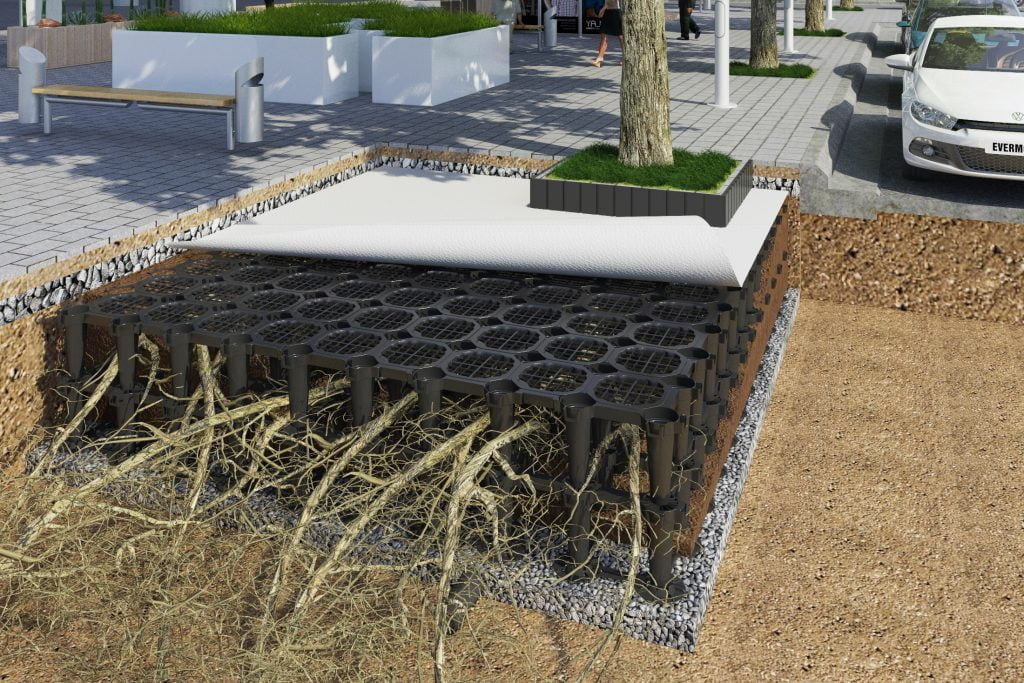
WSUD tree design with stormwater entering a soil vault tree pit

In built-up urban areas, trees can help restore pre-development water flows and remove pollutants and filter water. Trees act as natural filtration machines, which can hold, release, and clean water through soil and evaporation.

A question often asked regarding urban trees and water capture is, can stormwater runoff from roads be too polluted for the trees to use?

Yes, stormwater can be very polluted, as large amounts of debris, particulates, and rubbish can suffocate a tree and prevent water and nutrients from reaching the tree’s root system for absorption.

Gross pollutants, such as plastic rubbish or vehicle parts, can largely be filtered out often by screens, like stormwater grates.

Smaller than gross pollutants are total suspended solids (TSS). TSS refers to solids suspended in water or wastewater that can be trapped by a filter. TSS can include various materials, such as silt, decaying plant and animal matter, industrial wastes, and sewage. High suspended solids concentrations can cause many problems for stream health and aquatic life.

Then there are soluble or water-borne pollutants, which are difficult to filter out economically. These pollutants can cause severe damage to ecosystems.

Storm water systems can be installed, which prevent these pollutants from accumulating in our water streams. Citygreen offers a revolutionary range of stormwater management solutions that prevent water pollution and make it easier –and more affordable–to manage and re-use stormwater.

Why use Trees for Stormwater Management?

Trees offer a large value add when compared to traditional stormwater management systems. Trees for stormwater management offers numerous advantages in urban areas. Firstly, trees act as natural water managers by absorbing excess rainwater, mitigating the risk of flooding and erosion. Their extensive root systems serve as filters, trapping and breaking down pollutants present in stormwater, which ultimately improves the quality of water entering local water bodies. Additionally, trees reduce the volume of stormwater runoff, easing the burden on municipal drainage systems. Moreover, these green giants contribute to urban cooling by providing shade and releasing moisture through transpiration, enhancing the overall urban microclimate and conserving water by reducing evaporation from impermeable surfaces.

Case Study: Urban Trees for Shade & Stormwater Management at Kinsmen Sports Centre in Edmonton

Furthermore, the aesthetic and social benefits of urban trees are noteworthy. Well-maintained green spaces with trees enhance the quality of life for urban residents and promote community well-being. Trees also create habitats for wildlife, contributing to urban biodiversity and ecological balance.

Engaging communities in tree planting and maintenance fosters a sense of ownership and responsibility. From an economic perspective, effective stormwater management with trees can lead to cost savings by reducing the need for extensive stormwater infrastructure. Lastly, utilizing trees that align with regulatory compliance, as many cities and regions have specific stormwater management requirements where integrating trees into stormwater management strategies not only addresses practical concerns but also contributes to the creation of attractive, sustainable, and resilient urban environments.

How Do Trees Clean Stormwater?

Trees play a vital role in filtering water through a series of natural mechanisms. Their root systems, for instance, engage in a process called root uptake, where they absorb water from the soil, including groundwater and rainwater. This not only helps in managing excess water in urban areas, reducing the risk of flooding and waterlogging, but also contributes to water purification. As water moves through the soil surrounding tree roots, it undergoes natural filtration. The soil acts as a powerful filter, capturing impurities, sediments, and pollutants present in the water, thereby improving water quality. Microorganisms in the soil and on tree roots further aid in this process by breaking down organic matter and pollutants into less harmful substances.

Additionally, trees are proficient at nutrient uptake, extracting essential nutrients from water for their growth. In doing so, trees indirectly remove excess nutrients like nitrogen and phosphorus, common water pollutants. Some tree species excel at phytoremediation, absorbing and storing pollutants such as heavy metals and chemicals, thus contributing to water purification and helping prevent water pollution.

Trees release water vapor through transpiration into the atmosphere, mitigating local flooding risks by reducing runoff volume. Trees also help retain sediments and prevent erosion, which can lead to waterbody sedimentation and, consequently, improved water clarity. Altogether, trees collectively enhance water quality by naturally reducing contaminant levels, pollutants, and sediments, making a significant positive impact on the health of water systems.

Case Study: Pelican Waters
pelican6 stormwater Citygreen

Pelican Waters, a residential estate located on the Sunshine Coast of Queensland, Australia, has been trialling Citygreen’s Strataflow™ system with so far great success.

This new development aimed to use the advanced water-sensitive urban design (WSUD) and improve sales of lots near bioretention basin. Research has shown that preserving natural features in residential developments can increase the value and sale price of lots.

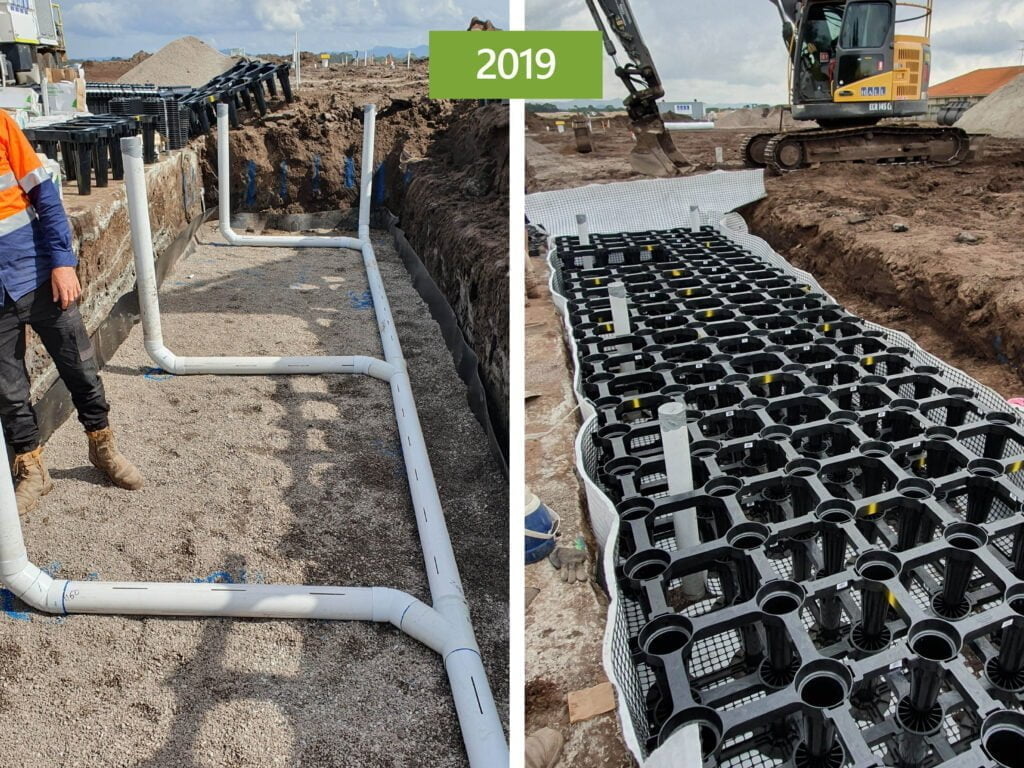
Instead of a traditional bioretention basin, Citygreen’s Strataflow™ uses an underground structural soil cell system, which delivers a high standard of stormwater treatment with a completely natural look.

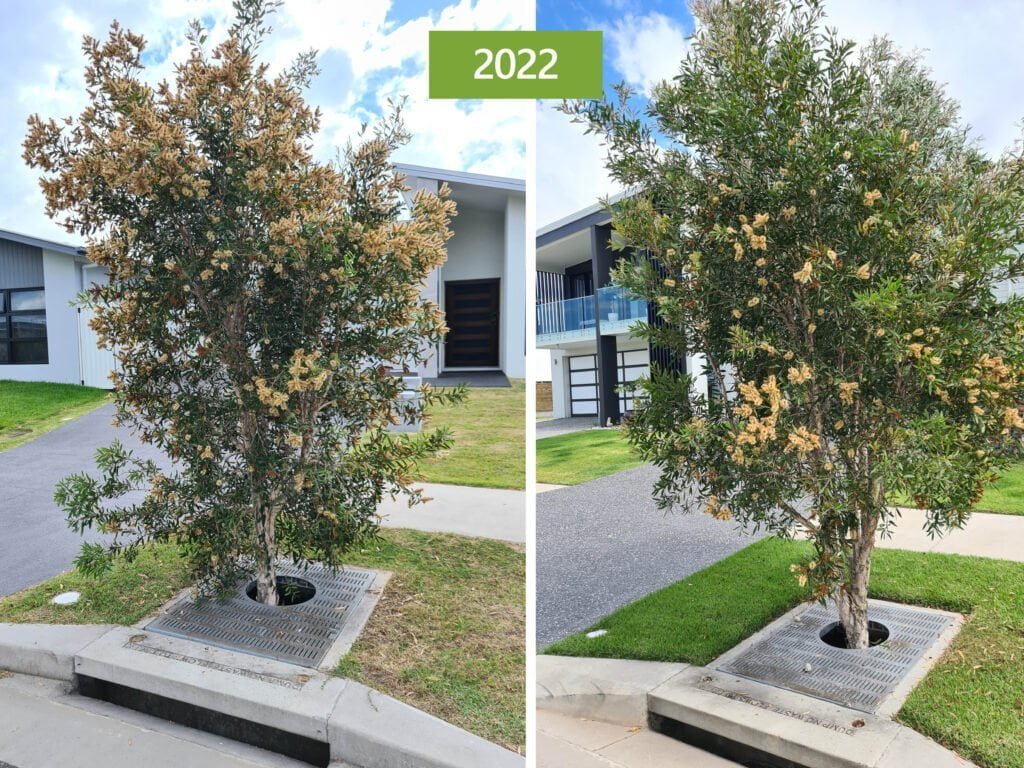
To any passer-by, what you see is a healthy, flourishing tree, surrounded by a grassy verge, but beneath the ground is an advanced WSUD.
pelican9 stormwater Citygreen

The Strataflow™ is a specialised design ‘hybrid’ tree pit, combining the best urban forestry for sustained and healthy tree growth with fully functional stormwater management – including filtration and flow management.

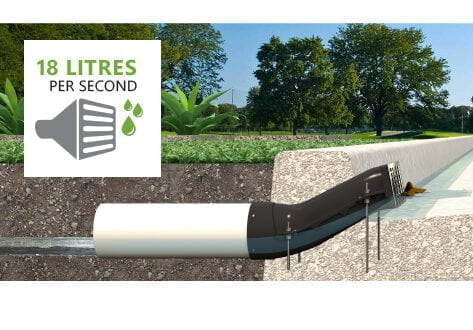
These designs may start with the Strataflow Kerb Inlet. This device sits in the road kerb alignment, retaining the inherent structure of the concrete kerb. The inlet has a grate (acting as a screen), to stop larger-sized pollutants from entering the system, which inhibits healthy tree growth.
rdfhbndfxh e1658458809141 stormwater Citygreen

The inlet lets water from the road carriageway flow through the front grate of the drain at a capacity of up to 18 litres/ 5 gallons per second. This allows the inlet to minimise pollutants entering waterways and reduce flood risks by controlling the stormwater flow entering our city’s underground drains.

When the water flows through the street, it enters through the inlet and flows underground. From there, the stormwater reaches the stratavault system, where the stormwater is stored, filtered and distributed effectively for the benefit of urban trees and for proper stormwater management.

The inlet ensures the water drains down at the correct optimal depth beneath the pavement height. From there, the stormwater reaches the structural soil cell system and the trees’ root system, where the stormwater is stored, filtered and distributed effectively for the benefit of urban trees and for proper stormwater management.

Essentially, Strataflow™ utilises readily available stormwater rather than potable water to irrigate street trees, which improves the vitality of trees and reduces the impact of stormwater on the local environment, all while maintaining a high natural presentation.
pelican2 stormwater Citygreen
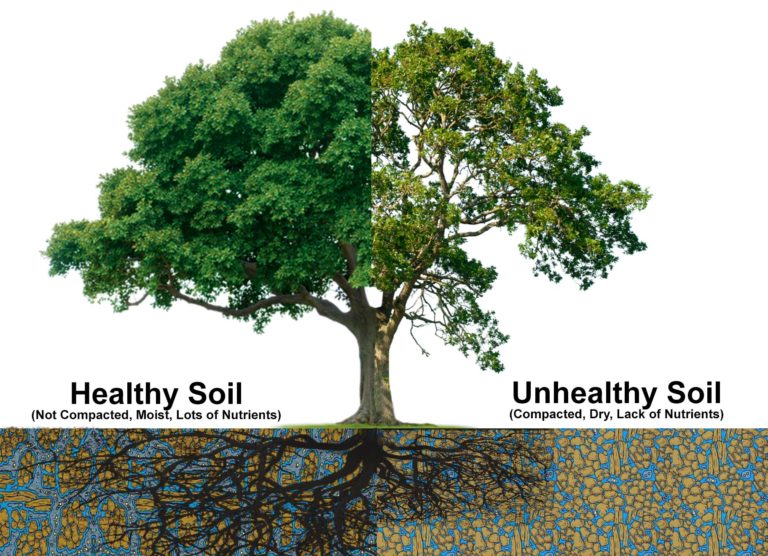
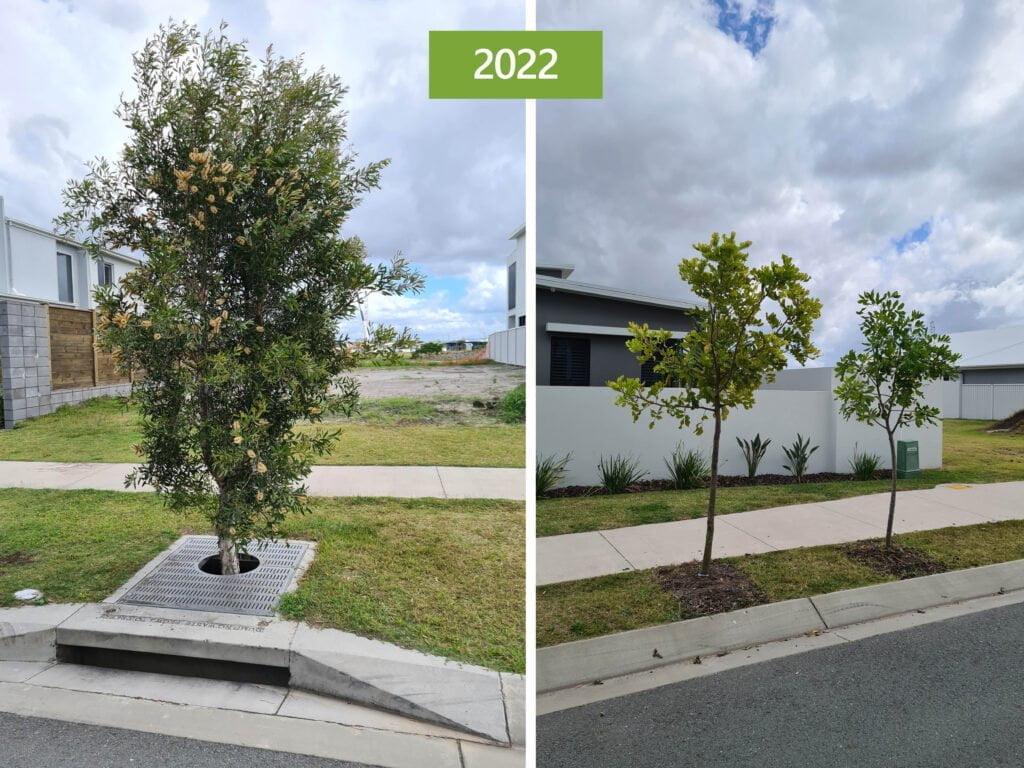
Growth comparison of trees planted in Strataflow (left) and trees planted in grass verge (right)

Green space for shading and mitigation of heat island effect

Soil Used for Stormwater Filtration

Call us today

Looking for a cost-effective and sustainable stormwater solution? Contact our friendly Citygreen Team now by clicking here.

10 Principles for Better Urban Renewal for Public Spaces

Our impressions of a city are formed mainly by the quality of public spaces. If they are not pleasant and preserved, or if they transmit a sense of insecurity, we will seldom return. Good planning of these spaces should be the rule, not the exception. In the series “Public Spaces,” originally published in Portuguese by TheCityFix Brasil, we explore different aspects related to public spaces that determine our daily experience in cities.

Nothing lasts forever without conservation and preservation. With cities, it’s no different. Different interventions in cities can alter built-up areas or public spaces to address social issues, environment or health problems, or even reactivate the local economy. In this context, the practices of urban renewal, requalification, revitalization and rehabilitation can be used to not only renew a city but help proactively solve a wide range of problems.

First, we need to differentiate terms that are often used synonymously but do not have exactly the same meaning. Briefly, “revitalization” is about recovering space or an existing construction; “renewal” deals with replacing or rebuilding and changing use; “requalifying” adds new functions while improving the appearance, and “rehabilitation” is restoring but without changing function. Each of these processes, therefore, generates different results. All of them, however, are linked to the same idea: to transform urban spaces in order to rejuvenate them.

a family in white clothes rides electric scooters KGLN7W6 stormwater Citygreen

Projects like these often arise from the need to solve economic, social or environmental issues, but are carried out in ways that make success difficult. They need community participation to be embraced but are often instead led by public-private partnerships that have few feedback mechanisms for community members to engage with. This is one of the most common criticisms of this type of intervention, in which large projects are conceived and constructed without any connection to the local reality.

New models of urban transformation should recognize that transformative change is no longer the responsibility of a single actor, organization, institution or sector. Change needs to be led by multi-stakeholder coalitions and movements, on the demand side as well as the supply side.

A report by the Australia-based consulting firm SGS Economics and Planning presents 10 principles for urban renewal that take the public interest into account, based on case studies in cities like London, Sydney, Melbourne, Hamburg and New York. According to the survey, much of the criticisms of urban renewal projects are a result of actions undertaken without the perspective and contribution of affected communities. Finding ways to include more participation could improve success rates. The report focuses mainly on renewal; however, the principles also apply to revitalization, requalification and rehabilitation:

1. Create “Shared Value”

Urban areas do not belong to a single group or individual but should offer value to many actors. All those who are part of the broader community as a whole – from workers and tourists, children and students, to the underserved and investors – should benefit from urban renewal. “Ultimately, the ‘communities’ for whom the value is created to share, should be those with long-term interests, not transient stakeholders with a primary focus on value extraction and repatriation,” write the authors.

2. Plan With Input From All

Delivering this shared value requires engaging with communities. Planners bringing an intervention into an existing space should share their vision and include people in the planning from day one, or risk it being rejected. Decision-making techniques such as cost-benefit analysis should be explained and employed to also promote “non-financial values,” helping communities feel a sense of ownership. The researchers also suggest the creation of a common platform where information about the process and the progress of the project can be shared transparently.

3. Build a Long-Term Vision

In any extensive process of urban renewal, the initial goals of the project may change over time. Even so, a long-term vision should be locked in and changes for the sake of short-terms gains resisted, with flexibility growing as the timeline extends further into the future. “A commitment to the public interest and shared value needs an inclusive approach, and future development stages should have the flexibility to be able to adapt to market and social changes,” write the authors.

Urban renewal plan shows the planting on trees in the streetscape

4. Agree on Non-Negotiables

Non-negotiation issues should be clearly understood by all stakeholders. These could include respecting existing lease terms, fixed quotas for affordable housing or protecting open spaces. The rights of renters and leaseholders should be guaranteed and stakeholders agree to a common set of design standards.

5. Agree on a Financial Profile

Studying how the space to be renovated is expected to yield from a financial perspective not only serves to set parameters for the project’s development options but is also critical to whether the public’s interests will be met. There are many options available to both provide returns on government investment in underserved areas but also safeguard communities from potential negative side effects, like rising taxes, and encourage a handoff to private developers in the future.

6. Establish Clear Development Goals

The planning process should develop and affirm clear objectives, not just desired outcomes. The best goals will be specific and measurable and anticipate the physical, economic and social results of the project.

7. Establish Options to Achieve Development Goals

There are often multiple options for achieving the same development goals and they should be compared to one another as well as to baseline scenarios of what might happen without any intervention. The process will create “a much clearer picture of marginal benefits and costs associated with any particular development option,” the report explains.

8. Incorporate a Sense of “Localness”

Local characteristics and peculiarities should be captured and incorporated into the new project. These details may come from local standards, services offered in the region, the environment, the climate or other socio-cultural specificities. Finding ways to assimilate a sense of the local into the project will help people identify with it, separate it from other similar projects and generate community acceptance.

9. Evaluate Options With the Goal of Maximizing Net Community Benefits

Cost-benefit analyses are often viewed with scepticism, but the report notes there are well-documented techniques that allow for the inclusion of things communities care about most, like open space, social capital and heritage. Finding ways to incorporate them into a cost-benefit analysis is important for avoiding the scenario where “financial considerations or otherwise vague community aims to end up dominating choices between options.”

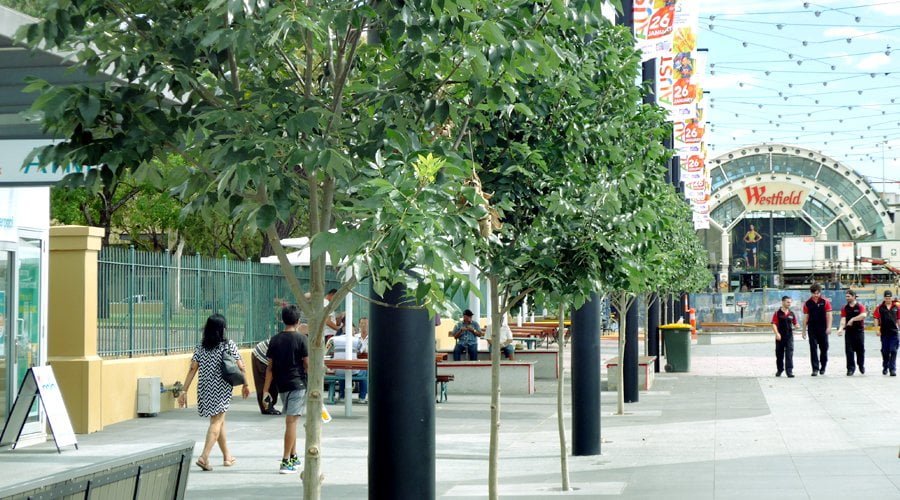
Green tree streetscape of the urban renewal of Macquarie mall redevelopment in sydney
Macquarie Mall Redevelopment. Trees planted in Citygreen’s Stratavault Soil Vault System

10. Align the Procurement Model With the Planning Vision

Finally, the governance, implementation and contracting trajectories – how the project is actually carried out – should align with the unique vision laid out during the planning phase. Procurement targets should bespoke, rather than using “off-the-shelf” options. This may mean a greater role for the government as a developer in the early stages before handing off to private sector developers later.

“These principles are not locked in place but are guiding principles to ensure urban renewal benefits the widest community possible,” write the authors. “The renewal of strategically important urban sites must have the needs of communities, both social and commercial, at its core.”

At Citygreen Our vision is to create a sustainable world where Green Space is within reach of every person, every day. Urban renewal is core to helping achieve this vision.

Source: https://thecityfix.com/ Paula Tanscheit is the Communications Analyst for WRI Brasil Sustainable Cities.

Why you need Citygreen Projects for Urban Renewal Projects

Citygreen Projects is driven by a clear set of values, a passion for exceptional project outcomes and an enduring commitment to innovation.

What we Bring to your Urban Revitalisation Project:

  • Concepts and modelling
  • Budgeting and feasibility
  • Technical design and drafting
  • Documentation and contract admin
  • Project management and scheduling
  • Construction and quality control
  • Commissioning and maintenance

What is Citygreen Projects?

Citygreen Projects is your multi-disciplinary project partner to assist you in urban revitalisation projects through all phases, from conceptual modelling, budgeting, and community engagement right through to design, documentation and then final delivery of construction works.

We work together, blending our expertise and knowledge across urban planning, urban design, and landscape architecture to meet your needs and aspirations. Our advice, services and solutions are well-considered and balanced. We respond decisively to every job and every challenge, ready to help realise a successful outcome that is workable, sustainable, and achievable. We pride ourselves on integrity and commitment and believe in explaining the realities of every situation.

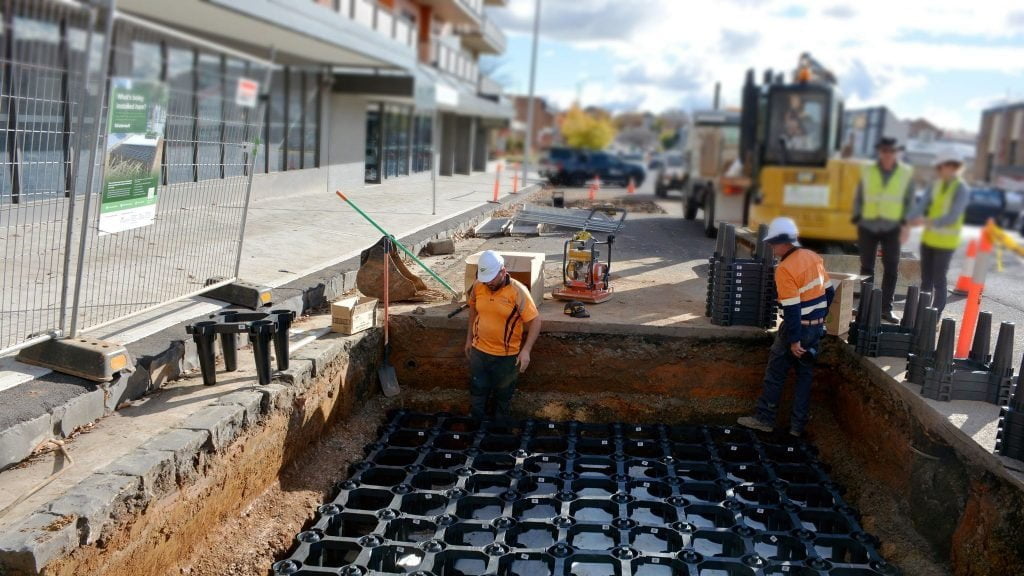
Citygreen Projects on site installing Stratavault for a new tree pit

What Services do Citygreen Projects offer?

Citygreen Project’s role is the creation of sustainable places for people that enrich community life, provide joyful, memorable, and worthwhile experiences, and serve the natural environment.

Citygreen Projects works closely with Citygreen’s DesignStudio, a dedicated and experienced group of design professionals providing services in master planning, plans of management, design for public domain, parks and open spaces, strategy and policy for recreation, open space and public domain, and planning and design for multi-residential developments and estates.

Our process is multidisciplinary, tapping into the extensive experience and insight of experts across our practice. We take an inclusive approach, involving clients at all stages of a project to ensure their needs are met, providing education and insight wherever needed.

father and son enjoying nature and trees

Who does Citygreen Projects work with?

We work with clients (particularly LGA’s) throughout Australia and New Zealand, balancing commitment, creativity, and innovation with award-winning experience. Creating great cities and places to live and work requires an ability to respond to urban and regional development complexity. Our collaborative approach integrates multiple stakeholders and complex interrelationships.

Our services extend across private and public sectors and all scales of projects, from master-planned communities to intimate and engaging interior spaces. Citygreen’s DesignStudio, a team of architects, designers, planners, engineers and environmental scientists, share the technical knowledge and the latest digital tools and resources to bring imaginative thinking to solve clients’ challenges.

Citygreen Projects Manager on site

Why should I use Citygreen Projects to manage my next Urban Renewal Project?

Citygreen assists you in undertaking urban landscape projects from start to finish, so you don’t have to spend the time budgeting & managing multiple contractors. At Citygreen, we have been researching and developing best practise methodologies internationally for decades to help plan, plant and maintain trees in the city and create green space in urban environments.

Citygreen Projects understands how towns, cities, and region’s function. Our aim is to work with you to make them even better, streamlining the planning and design process to ultimately deliver successful, compelling solutions.

f25a1c8a 4db1 00e6 c6af e65e694ce460 stormwater Citygreen

I have a vision for an urban development project, what are the next steps?

Book a free online workshop to learn more about Citygreen Projects. This interactive workshop covers everything from creating large healthy tree canopies faster and more predictably to how to integrate living green wall systems, to incorporating stormwater management and increase the liveability and sustainability of our cities for generations to come, based on case studies, industry research, structural and civil engineering considerations.

Book Your Online Workshop

a59416e7 aa21 15da c2cf 688ea2c8af2e stormwater Citygreen

WOW! Melbourne Trees have an entire map dedicated to them

email 4 stormwater Citygreen

Did you know Melbourne has an entire map dedicated to urban trees?

Melbourne’s tree population is vast – we have 70,000 council-owned trees, worth around $650 million. Trees are a defining part of Melbourne and our parks, gardens, green spaces and tree-lined streets contribute enormously to the liveability of the city. ​

But the trees are now under threat. More than a decade of drought, severe water restrictions and periods of extreme heat, combined with an ageing tree stock, have put our trees under immense stress and many are now in a state of accelerated decline. As a result, we expect to lose 27 per cent of our current tree population in the next decade and 44 per cent in the next 20 years.

Combined with this loss, Melbourne’s urban forest is facing two significant future challenges: climate change and urban growth. The City of Melbourne’s Urban Forest Strategy seeks to manage this change and protect against future vulnerability by providing a robust strategic framework for the evolution and longevity of Melbourne’s urban forest.

8393e2a3 53aa 4c0e b956 85926598df9f stormwater Citygreen

The Urban Forest Visual is an interactive, online map that marks every single tree in Melbourne’s key urban areas. As well as naming the genus each tree belongs to, the map also lists details about each tree’s overall health and life expectancy. For example, the map shows many healthy London plane trees located near the State Library of Victoria. However, a few blocks down at the ‘Paris end’ of Collins Street, the London plane trees aren’t fairing as well.

You can use the map to look up tree data for the whole of the Melbourne CBD, as well as surrounding suburbs including Carlton, Docklands, Kensington, Parkville, Flemington and South Yarra. You can filter the map depending on whether you want to see street trees or park trees – and you can even email individual trees if you need to report something.

If you’re keen to see what the future holds for street trees in Melbourne, you can access a detailed tree planting schedule via the website. Each Urban Forest Precinct Plan includes a map showing when urban forest planting will occur in each street over the next 10 years. The tree planting roadmap shows when each street will be planted and what the scope of planting will be. In some streets, tree planting might be limited, while other streets may include intensive planting as part of a redevelopment project. Detail about the factors considered to develop the planting schedule is included in each local Precinct Plan.

930e5dd9 4a8b 4733 9d58 3a2882f1d0d2 stormwater Citygreen

Check out the tree planting schedule and find out everything you’ve always wanted to know about your favourite Melbourne street trees by visiting the Urban Forest Visual website.

Source: https://www.timeout.com/melbourne/news/fyi-theres-a-whole-map-of-melbourne-dedicated-to-the-citys-trees-100418

How to Calculate Urban Tree Canopy Cover

By: Richard J. Magill, Magill & Associates, Inc.

a family enjoying a stroll in an urban park U3FEF23 stormwater Citygreen

(more…)

Woonerf: A Living Street Concept For Shared City Spaces

Woonerf Living Street Concept

Vehicles play an essential role in today’s cities and growing nations.

For most urban cities, vehicles are an indication of a progressive economy. Cars, trucks and buses provide access to businesses through people and product transport. However, the drawback is that these same city streets have become grey places where vehicles are prioritized over people in the way we design cities.

While busy roadways deliver unmistakable benefits, they don’t entirely enhance citizen welfare and overall human wellness within an urban landscape. Cars require significant space to drive and park – space that significantly reduces the opportunities for residents to walk freely, appreciate nature and enjoy outdoor activities. This is without even mentioning traffic, pollution and safety issues.

The revolutionary Woonerf design solves this problem by transforming trees found within urban environments into shared green spaces where pedestrians and vehicles can actually co-exist in an optimal balance.

Through it, you can improve the local community’s quality of living and heighten road safety in the city.

JohnHirschPlace ConceptDrawing Page 15 e1605062700655 stormwater Citygreen

What is a “Woonerf”?

A Dutch term meaning “living street” or “shared space,” refers to a design concept aimed at creating a safer, more interactive, and pedestrian-friendly environment within urban areas.

In a woonerf, vehicles, pedestrians, and cyclists share the same space, with an emphasis on reducing vehicle traffic and creating a safer atmosphere by encouraging social interaction, enhancing walkability, and promoting a sense of community while prioritizing the well-being and safety of pedestrians and cyclists.

This street design modelled around shared space, low-speed limits and traffic calming was first implemented in the Netherlands and Belgium.

A Woonerf design places emphasis on the overall quality of life, rather than the speed of it. Traffic calming strategies such as street furniture, increased trees and plants, bollards, limited sight distance and narrow paths of travel are utilised to lessen car traffic, offering residents a greater sense of ease, safety and comfort when walking city streets.

Woonerf Visual stormwater Citygreen

By using Woonerf techniques, urban streets are transformed to a social space where pedestrians are encouraged to make use of the entire roadway, move freely from one point to another and participate in recreational activities and increase patronage to businesses.

A Woonerf-designed street creates no division between vehicles and people. Hence, it is referred to as a “shared space” that is open for cars but is also catered to giving citizens a pedestrian-friendly and welcoming environment.

One characteristic feature of Woonerf is landscaping. Through community gardens, plant boxes and thriving city trees, people have a better city experience due to the calming and inviting natural elements that create a more pleasant ambiance, encourage pedestrian interaction, and prioritize the well-being of individuals over vehicular traffic when travelling through their local city streets.

Let’s demonstrate this with a practical example.

A Real Woonerf case-study: John Hirsch Place in Winnipeg, Canada

04 stormwater Citygreen

Before the City of Winnipeg decided to revamp John Hirsch Place, it was simply a one-way road with sidewalks on either side and parking spaces along the edge of the street.

With the path hindered by garbage bins, fences and trees, John Hirsch Place was not very welcoming and accessible for citizens. The vehicle-centric road also didn’t feature pedestrian amenities that encouraged residents to the street.

Fortunately, the City of Winnipeg’s Transportation Master Plan addressed these concerns by enhancing the downtown’s street to become safer, greener and most importantly, accessible and equitable to all road users – including pedestrians.

The Woonerf model was then implemented at John Hirsch Place to reduce traffic on the residential road, increase road safety and position the idea of the street as a public open space where people could move freely from connected pathways, parking lots and buildings.

Today, the new roadway hosts a new layout without the traditional curb, sidewalk and boulevard set-up, but instead, with installed bollards to guide car traffic and give residents enough protection against vehicles – allowing them to co-exist safely in the city street. Another part of the Woonerf design you can see at John Hirsch Place is the significant lighting that encourages pedestrian activity even in the evening.

How to Plant Trees in a Woonerf Designed Street

For the landscaping aspect of this Woonerf approach, Citygreen’s soil vault system is the ideal choice. It facilitates the healthy growth of trees and shrubs at John Hirsch Place by offering a structural strength matrix as a sub-base for the roadway.

Citygreen’s Stratavault soil vault system helps trees grow in densely built urban areas, similar to a Woonerf approach. It achieves this by providing a large volume of soil to the trees through a structural matrix installed beneath the pavement or road, allowing their roots to thrive when compared to traditional tree planting methods.

The key advantage of a soil vault system is its ability to support the weight of the pavement or road above, while also ensuring ample space for the tree roots to grow.

Additionally, by containing the roots within the vault, the system prevents any pavement lift on city infrastructure due to tree roots, thereby avoiding any dangers to pedestrians and insurance liability to cities.

stratavault pit accepting stormwater

Moreover, the soil vault system can effectively integrate stormwater management principles into its design. The key way the stratavault soil vault system can improve stormwater management principles include:

Stormwater Storage: By capturing rainwater at the source, these vaults prevent excessive water from overwhelming drainage systems and reduce the risk of flooding during heavy rainfall events.

Stormwater Filtration: As stormwater filtrates into the vault, pollutants and sediments get filtered out by the tree roots and high quality soil. This process improves the water quality of the excess stormwater and reduces the negative impact of runoff on downstream ecosystems.

Peak Flow Reduction: During intense rain events, the peak flow of stormwater can put a strain on existing stormwater infrastructure and exacerbate flooding issues. Soil vaults help mitigate this problem by attenuating the flow rate. By slowing down the release of water, the system eases the burden on downstream drainage systems and helps prevent erosion.

As you can see the implications of this integrated stormwater management approach are immense. By capturing and managing stormwater at its source, the soil vault system contributes to flood prevention, reducing the strain on existing drainage systems during heavy rainfall events.

Download our free PDF Stratavault Tech Sheet to learn how to plant trees in a woonerf type street.

02 stormwater Citygreen

The Role of Citygreen’s Soil Vault Solution in a Woonerf Design

The City of Winnipeg decided to utilise Citygreen’s soil cell solution due to the space constraints found within this particular urban environment. This soil retention system enables trees and shrubs in this Woonerf case study to have sufficient soil volume for their growth and development while maximising the available right-of-way for all road users.

The system also provides a stormwater management advantage for John Hirsch Place. Since Downtown Winnipeg is composed of old, combined sewer systems that already required maintenance, repair or replacement, the soil cell system was used to reduce the flow and loading within the aging combined sewer network.

The application of Citygreen’s soil vault solution for the Woonerf model utilised at John Hirsch Place has already supported the growth of approximately 600 perennials and 20 new and mature trees. This has led to an improved public right of way that has also cultivated a greener shared urban space for both vehicles and residents.

The Woonerf approach to city planning is blazing new trails in improving the quality of life in residential streets all across the world.

Citygreen, with its cutting-edge technology and urban landscape solutions, can help take the Woonerf model to a new level. Through innovative soil vault systems, improving pedestrian environments, addressing concerns about vehicle movements and enhancing streetscape can be achieved with a greener and more cost-effective way.

Read more about how we are leading Urban Tree Planting.

The Top 5 Reasons Soil Quality Is Important For Trees

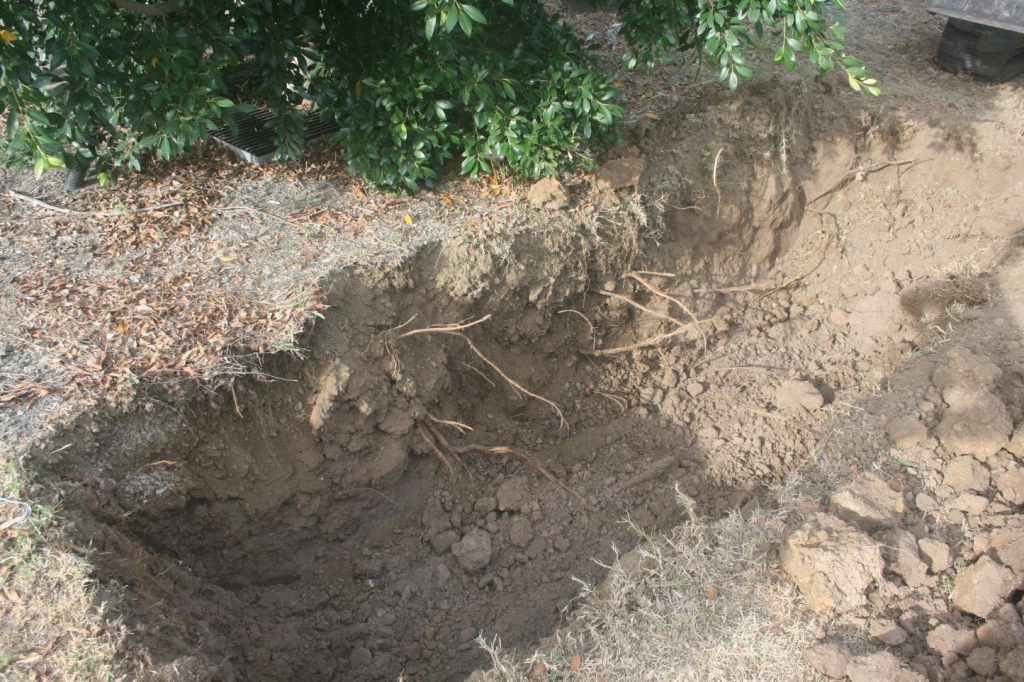
showing the difference in root growth in soil quality

Everybody knows that good soil quality is the foundation for tree growth!

However, not all soils are the same, and that can have a significant impact on the trees growing from it.

Cultivating the right kind of soil will ensure trees will live and thrive, even in urban locations where there is less room for them to survive.

That’s why it’s so important to take note on what’s happening below ground, if you want to enjoy the beauty and shade of the greenery above.

Let’s take a closer look at soil and its importance for healthy tree growth.

soil profile stormwater Citygreen

What Makes Up Good Soil Quality?

Soil is composed mainly of elements like water, minerals, nutrients and gases.

Different types of soil vary according to texture, colour, depth, acidity, fertility and ability to hold water. Because each tree species has different needs, it’s crucial to know what kind of soil they require to grow – if you want the best results.

To help familiarise yourself with the varieties of soil, here are the most common types of soils you need to remember:

  • Chalky – a stony type of soil that can be found on top of limestone or bedrock
  • Clay – a tightly packed soil that is often lumpy and sticky when wet
  • Sandy – dry and loose soil base that has a rough texture
  • Silt – smooth, slippery kind of soil that is composed of fine particles
  • Peaty – contains a great amount of organic matter due to its acidic nature
  • Loamy – the best soil for planting, as it’s full of nutrients and can hold water well
CITYGREEN Tree Visual vector1 stormwater Citygreen

Why is Loamy Soil the Best?

Loamy soil stands out as an optimal choice for trees due to its unique blend of qualities that foster robust growth. Its balanced composition—a blend of sand, silt, and clay—provides an uncompacted environment for tree roots. Loamy soil offers excellent drainage, preventing waterlogging that can drown roots, while retaining enough moisture to sustain trees during dry spells. Moreover, loamy soil is rich in essential nutrients, supporting healthy tree development by efficiently absorbing and storing vital minerals. Its texture facilitates superior aeration, preventing compaction and enabling roots to spread easily, reducing the amount of energy the tree needs to use to push new root growth through the soil ensuring strong anchorage and encouraging healthy root systems. The versatility of loamy soil accommodates a wide variety of tree species, making it an excellent choice for nurturing flourishing trees.

However, while loamy soil is generally advantageous for tree growth, different tree species may have specific soil preferences. Factors like climate conditions, sunlight exposure, and adequate care significantly impact a tree’s health and growth.

At Citygreen we do on-site soil analysis for any new plantings and can offer you soil specifically designed for the tree and site location. This ensures that the tree is planted in the best possible circumstances to kickstart canopy growth.

soil cell being filled with high quality loamy soil

Why is Soil Quality Important for Tree Health?

The soil you use can either nurture or restrain your trees’ growth because soil performs a lot of essential functions. Here are the five reasons why soil is important for trees:

Soil provides a foundation for tree growth.

Soil serves as the anchor that holds trees firmly in place. It provides structural stability, preventing them from toppling over in adverse weather conditions. The composition and texture of the soil determine how well it can support a tree’s weight and ensure it remains upright throughout its life.

Soil stores the necessary amount of water for trees.

Soil acts as a reservoir for water, which is crucial for a tree’s survival and growth. It stores rainwater and moisture, making it available to tree roots during dry periods. This stored water ensures that trees can continue photosynthesis and nutrient uptake even when external water sources are scarce.

Soil Hosts Biodiversity.

Soil is a vibrant ecosystem teeming with life. It provides habitat for various organisms, from earthworms to beneficial microorganisms. This biodiversity is essential for soil health and indirectly benefits trees by enhancing nutrient cycling, improving soil structure, and promoting overall soil vitality.

Soil supports the trees’ roots in accessing nutrients and minerals.

The root system of a tree relies on the soil to access essential nutrients and minerals. These nutrients are found in the soil in various forms, and the tree’s roots play a vital role in absorbing and transporting them to different parts of the tree. Adequate soil composition is crucial to ensure that trees receive the nutrients they need to grow and thrive.

Soil filters out the pollutants that can harm trees.

Soil serves as a natural filter, removing harmful pollutants from water before it reaches a tree’s root system. Pollutants, such as heavy metals or chemicals, can be detrimental to trees if they enter their vascular system. The soil acts as a protective barrier, purifying water and ensuring that only clean, nutrient-rich water is available to the tree’s roots.

strataflow system showing how stormwater can be used to filter and clean water

In urban locations where healthy soil is not abundant or tightly compacted to ensure stability for urban infrastructure, it’s important to ensure that trees are planted with the appropriate soil structure to compensate – often called the “architecture of the soil.”

Having the right soil architecture guarantees that there is proper arrangement of soil particles (including silt, sand and clay that aggregate together). It also involves measuring the correct pore spaces between each tree, which enables their roots to propagate without causing any structural pavement damage.

When these two considerations are overlooked, trees will struggle to grow in city and suburban locations, leading to replacement and maintenance costs, unsightly spaces and poor shade quality for the community.

Citygreen understands this challenge.

That’s why we deliver innovative urban landscape solutions like Soil Vault Systems. Our very own Stratavault© and Stratacell© tree products facilitate healthy root growth for your trees while making sure they won’t cause any damage to your city’s infrastructure.

To find out more about these products, head to https://citygreen.com/product-category/soil-structure-systems/.

Visual 6 1 Stratavault with Roots e1601433191112 stormwater Citygreen

Water Starved Tree

Quality soil and using it to fill the matrix

How To Properly Water Your Trees

dimitry anikin 77 IIuQptjY unsplash stormwater Citygreen

While people are supposed to drink about eight glasses of water a day, a tree in Ohio with a 10’ canopy can require as much as 100 gallons a day!

There are a couple of crucial considerations you need to take when it comes to water your trees. Insufficient water can lead to poor outcomes, including killing the tree. Too much water without sufficient aeration and drainage can have the same result.

A quick, easy way to test is to use a screwdriver to get about 2 – 3 inches down into the soil. If that soil feels moist to the touch, it’s exactly how it should be. If it’s dry, then it’s time to water.

Watering a young tree (<25 years old) is a matter of watering the roots around the trunk. You don’t want to flood the tree trunk, nor do you want to water outside the root ball.

Older trees (>25 years or a trunk over 12” in diameter) require deep watering completed occasionally. You’re looking at about 10 gallons per 1” of trunk diameter per week during dry conditions.

So how do you get that water to your trees, without standing around with a hose all day?

There is a range of solutions, from slow-release water bags, bubbler hoses, and overhead irrigation systems, through to a 5-gallon bucket with holes drilled in the base.

Citygreen has shown exceptional outcomes with the healthy and fast growth of trees by combining soil vault systems, such as Stratavault, with perforated flexible piping systems around the root ball, for example, the Snorkil products.

By creating space for adequate aeration with the Stratavault, you can limit excessive soil compression, and the perforated pipes provide airflow and enable water to be piped directly into the roots.

Combining systems like these in urban areas with permeable pavements, and connecting roof water systems to tree pits helps harvest stormwater, better managing both tree watering needs and stormwater management. To find out more about watering and aerating tree pits to improve growth outcomes, head to https://citygreen.com/product-category/tree-pit-irrigation-and-aeration/

fran HdtcZUI3Qvk unsplash stormwater Citygreen celine lityo Cv8PE0fW5zA unsplash stormwater Citygreen

Load More...

“Great customer service, quick response times and a very in depth QA system with constant support.”

- Laura Wiesenekker, Project Engineer, Densford Civil -

“Citygreen is a very professional  business, and I found everything was great in terms of deliveries, product supply and information. It was all forthcoming and helped us to complete the project.”

- Keith Burns, Architect/Designer, Keith Burns Architect -

“Citygreen offered training and invaluable technical assistance during the works.”

- James Callan, Estimating Manager, Complex Co Pty Ltd -

“Our experience, in working with a Citygreen Design Studio was second to none. We found responses from the design studio to be very timely, and technically thorough. We went backwards and forwards a number of times, looking at different iterations of the design and, nothing was too much trouble to examine and explore different possibilities. I would highly recommend the Citygreen Design Studio to any future client considering using your services.”

- Sandra Smith, Principal Landscape Architect, City Of Monash -

“We are big on compliance on all projects, and the fact that their SmartCertify cloud platform covers all bases, and supports their 20 year warranties, is critical – especially that these pits are being installed under roadways and footpaths.”

- Johny Purkaystha, Civil Program Engineer, Central Coast Council -

"I reviewed all the previous projects that we have installed in the past couple years using your product and I can happily report back that we have 0% mortality in the soil cells, which is incredible!"

- Brendan Wilton, CEO, Trim Landscaping, Bedford, Canada -