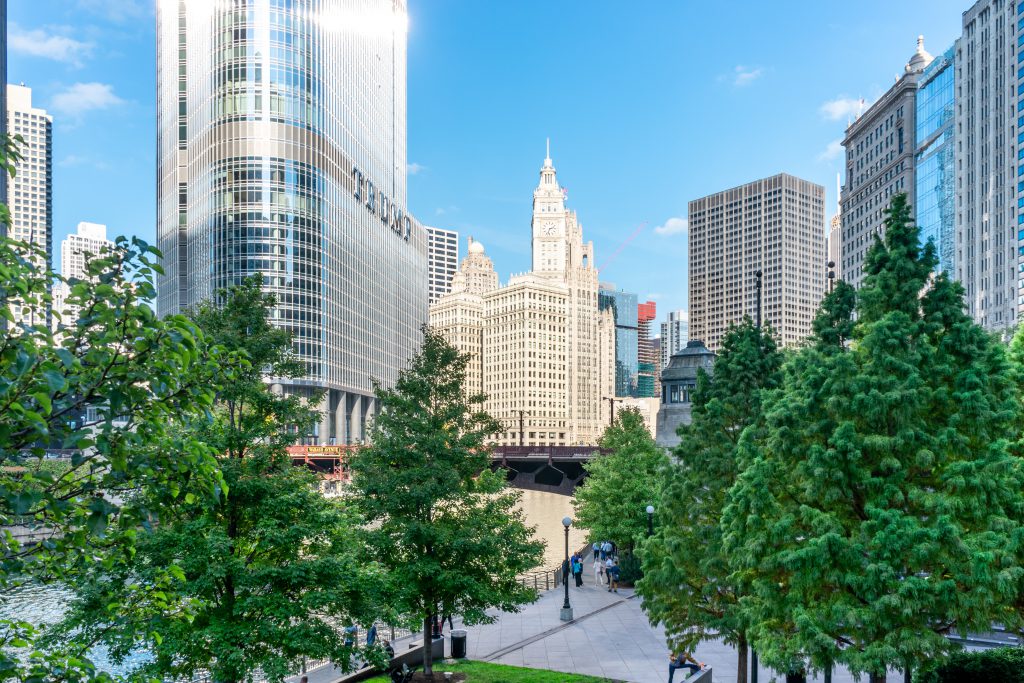
The presence of trees in cities can make a positive difference in so many ways.
Urban trees improve the quality of city life by filtering the air, preventing soil erosion and providing habitats for urban birds and pollinators. Trees are also aesthetically pleasing and allow people to reconnect with nature despite their busy lives.
Communities appreciate greenery in their local suburbs because it can have a calming effect and has even been shown to reduce illnesses.
To optimise all of these benefits, different cities across the world are now classing trees as valuable assets and are undertaking tree planting and tree canopy restoration programmes.
Here’s how different global cities are placing a greater focus on healthy tree growth in urban spaces.
How are cities saving their trees?
The government of New South Wales has taken the first step in saving their local city trees by launching their 50-Year Vision for Greater Sydney’s network of parklands and green open spaces initiative.
This program involves tree revitalisation across 6,000 hectares of parks and open spaces, which include Centennial Park and Moore Park Trust, Parramatta Park Trust, Western Sydney Parklands Trusts, Callan Park and Fernhill Estate. In fact, a $10 million budget was already invested to restore the natural beauty of Callan Park in Sydney.
On the other side of the globe – Berlin, one of the greenest cities in Europe, has also been proactively working on growing their city tree population. This was in response to the 20% increase in their annual number of street trees felled since 2018.
To overcome these losses, the city has raised the spending per street tree from €48 to €82. Their local government has also taken advantage of modern technology to encourage residents to manage and maintain city trees themselves.
They developed The Gieß den Kiez (Water the Neighbourhood), which is an interactive platform that displays a map of over 600,000 city trees, providing necessary information about recent rainfall, species of trees, their age and water needs. This app enables citizens to keep an eye on their local trees and water them when needed.
Aside from Sydney and Berlin, other cities have also been increasing their planting efforts to nurture greener city spaces for future generations.
How can you save your city’s trees?
City trees can be cultivated to prosper in many different ways.
For instance, local councils can perform a site assessment to ensure that trees are provided with an environment that’s conducive for healthy growth. Selecting the appropriate tree species and improving urban soil can also ensure that trees will survive and thrive over the longer term.
Many cities and suburbs are starting to make investing into trees a priority, due to the range of benefits trees offer local communities.
We’re here to help!
At Citygreen, we provide you with expert guidance and the best urban landscape solutions to help you transform grey spaces into green cities.
To help you identify the ideal option for your city, here’s a quick comparison guide about soil cells and structural soil & sand.
What is Structural Soil?
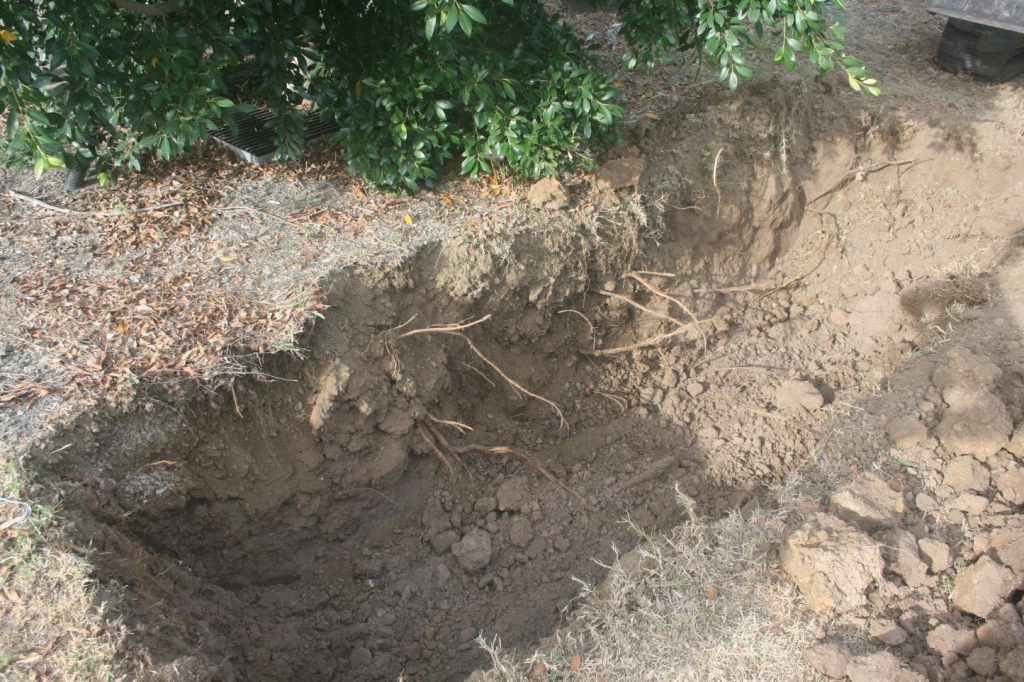
Structural soil is a commonly used soil medium for tree planting that’s compacted under a pavement system to give structural support, creating only small void spaces for tree roots to grow. It’s made up of 80% gap-graded levels (crushed stones) and 20% soil.
Structural soil, consists of crushed stones or larger objects to help provide structural stability for the above urban load such as pavements and roads. So, structural soil leaves fewer minerals, void space and nutrients available to the tree as only 20% of the available ‘soil’ is actually useable by the tree.
As a result, urban trees planted in this type of soil often experience weak roots and restricted growth due to the limited availability of nutrients and inadequate space for root expansion.
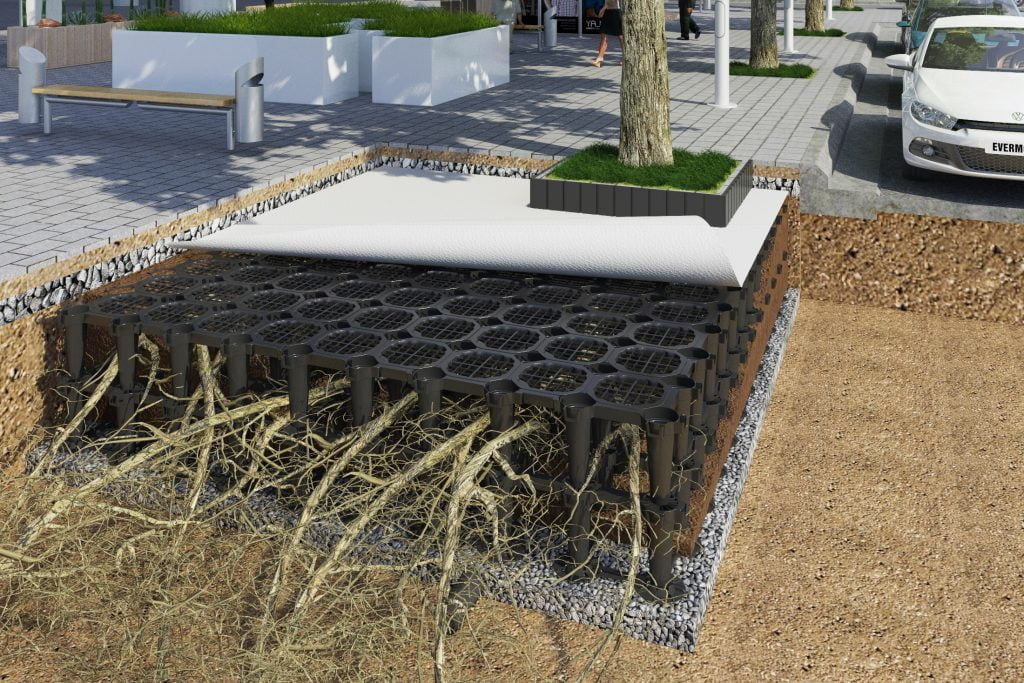
Soil cells are purpose-designed urban landscape solutions that provide trees with optimal soil conditions for growth without compromising local underground infrastructure.
Stratavault, specifically designed for easy installation and load-bearing capacity, ensures stability under pavement, parking lots, and roads while offering ample space within its interconnected matrix design for uncompacted, high-quality soil to deliver healthy tree root expansion.
The matrix also allows the integration of underground services, making it a comprehensive solution for sustainable urban development.
Stormwater can be directed into the treepit, providing on-site water supply to the tree. The tree and soil work together to naturally filter the water, removing unwanted contaminants such as road pollutants.
Example design of stormwater runoff being directed into a stratavault treepit
Any excess water can be directed to a holding vault for later use, creating a circular environment of water use (Case Study), or time-gated for release into government utilities at a later date to help with capacity during high storm level events.
This integrated approach not only promotes sustainable water management but also enhances the overall environmental resilience of the urban landscape & the targeted water also helps to accellerate tree canopy growth by feeding water directly to the tree roots.
What are the Advantages of Soil Cells Compared to Structural Soil?
The use of soil cells in urban environments offers an array of advantages, with one of the most prominent being the substantial increase in “void space” allocated for high-quality soil to support tree growth. This concept of “void space” refers to the open areas within the soil cell system.
The soil cell matrix is designed to take the above weight load of urban infrastructure such as roads, pavements, carparks, etc off the tree and soil which reduces the overall stress on the tree and soil.
As the soil vault matrix bears the weight, we can fill the void space with uncompacted high quality soil specifically tailored to meet the unique needs of the trees.
Here’s an explanation on why this increased void space is so advantageous:
Enhanced Soil Quality: Soil cells provide an opportunity to replace this subpar on-site soil with a high-quality growing medium. This soil is carefully selected or engineered to provide optimal conditions for root development, water retention, aeration and nutrient availability.
Ample Root Space: Trees need space to spread their roots to establish a stable foundation. The increased void space in soil cells allows for extensive root growth, enabling trees to access the oxygen, nutrients and water they require to thrive. Lack of soil compaction also helps accelerate tree growth as less energy is needed for tree roots to push through the soil as it explores for new sustenance. This will create healthier, resilient trees that are better equipped to withstand urban stresses.
Improved Longevity: Space is a huge complication when planning trees in urban spaces. The lack of space allocated to trees is one if the main factors in their high mortality rate in urban areas. Soil cells treepits are designed with the trees maturity in mind. This way, tree roots will have sufficient soil and space to grow for decades.
Stormwater Management: Soil cells also play a crucial role in stormwater management. The void space allows rainwater to percolate into the soil rather than becoming surface runoff. This not only replenishes the tree’s water supply but also reduces the risk of flooding and soil erosion in urban areas.
Video Comparison: Tree Growth of Structural Soil Cell vs Structural Soil Planting Methods
Below is a video from our Mill Woods parking lot case study which highlights the growth difference of trees planted at the same time.
What are the cost differences between Structural Soil and Soil Cells?
The cost difference between structural soil and soil cells can vary based on several factors, including project size, location, product choice, and installation requirements. Generally speaking, here are some key cost considerations for both options:
Structural Soil:
Structural soil involves blending soil with aggregates like crushed stone, large rocks or gravel to create a load-bearing medium.
The cost of structural soil includes soil materials, aggregates, transportation, and labor for mixing and installation.
Usage soil available to the tree is vastly lower.
Excavation and preparation of the planting area may be necessary, adding to the overall cost.
Initially, Maintenance costs are lower, but you leave yourself open to tree roots exploring and damaging surrounding infrastructure which becomes costly over the lifetime of the tree.
Soil Cells:
Soil cells are modular systems that provide high quality uncompacted soil volumes for tree roots within a matrix that can be designed to site specifications.
The cost includes the price of soil cells, soil, installation labor.
Excavation and site preparation more extensive compared to structural soil.
Lifetime cost to the tree and surrounding infrastructure is lower as tree roots are contained and reduce pavement heave.
While structural soil may seem cheaper upfront, planting a tree in a pit that isn’t right for its surroundings can lead to higher maintenance costs over time. If we don’t carefully match the tree’s needs, soil conditions, and space, its roots might struggle to grow. This can mean slow growth, a smaller canopy, and more susceptibility to pests and diseases, all requiring expensive remedies.
And that’s not all – surrounding infrastructure like sidewalks, roads, and utilities can suffer when roots can’t spread properly. This can lead to cracks, upheaval, and damage, which ends up costing more to fix than what you saved with the initial lower cost of structural soil.
Investing in systems like soil vault systems such as stratavault that support healthy root growth will pay off in the long run. These designs offer enough space for roots to access water and nutrients, promoting strong tree development. The result? Less upkeep, reduced infrastructure issues, and a longer, healthier life for the tree which will bring it’s benefits to the community quicker.
Aspect
Structural Soil
Soil Cells
Tree Growth
Stunted growth, reduced canopy development, susceptibility to pests
Robust growth, healthy canopy, improved pest resistance
Tree Health
Increased stress due to lack of soil, Vulnerability to diseases, increased need for interventions
Enhanced overall health, strong root development, reduced need for interventions
Infrastructure Impact
Upheaval of Sidewalk, road, underground utility damage due to root pressure and growth
Reduced infrastructure damage, minimized maintenance costs to city infrastructure
Maintenance Costs
Frequent pruning, fertilization, pest management, Early Replacement of trees
Lower maintenance costs, fewer interventions
Longevity
Shorter lifespan due to compromised health from lack of nutrient soil
Longer tree lifespan, sustained ecosystem benefits
Initial Savings vs. Long-Term Costs
Lower upfront cost savings overshadowed by expanded maintenance expenses
Higher upfront investment justified by long-term cost-effectiveness
Supporting Systems
Lack of proper systems to facilitate root growth and support.
WSUD systems ensure healthy root development and sustained growth
Overall Benefit to Urban Environment and Sustainability
Negatively impact urban green spaces and ecosystem services
Positively contribute to urban environment, stormwater management
The cost difference will depend on project-specific factors. It’s recommended to consult with our landscape professionals to get accurate cost estimates tailored to your project’s needs. Additionally, consider the long-term benefits of each option, such as improved tree health, stormwater management, and urban resilience, when evaluating their cost-effectiveness.
For years, Citygreen has invested in research and innovative development initiatives to explore the challenges, the causes of failure and the reasons for the premature mortality of urban trees.
Through it, we created effective soil vault systems that serve as the most viable solution to help build greener cities.
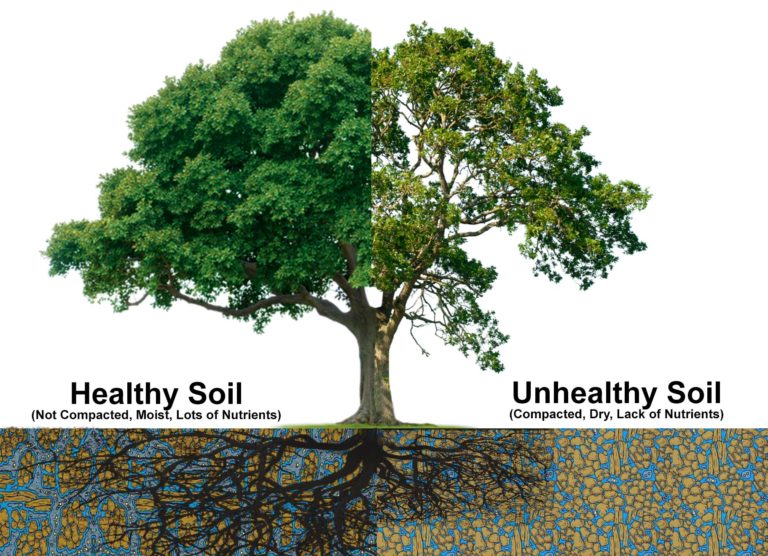
Soil is composed mainly of elements like water, minerals, nutrients and gases.
Different types of soil vary according to texture, colour, depth, acidity, fertility and ability to hold water. Because each tree species has different needs, it’s crucial to know what kind of soil they require to grow – if you want the best results.
To help familiarise yourself with the varieties of soil, here are the most common types of soils you need to remember:
Chalky – a stony type of soil that can be found on top of limestone or bedrock
Clay – a tightly packed soil that is often lumpy and sticky when wet
Sandy – dry and loose soil base that has a rough texture
Silt – smooth, slippery kind of soil that is composed of fine particles
Peaty – contains a great amount of organic matter due to its acidic nature
Loamy – the best soil for planting, as it’s full of nutrients and can hold water well
Why is Loamy Soil the Best?
Loamy soil stands out as an optimal choice for trees due to its unique blend of qualities that foster robust growth. Its balanced composition—a blend of sand, silt, and clay—provides an uncompacted environment for tree roots. Loamy soil offers excellent drainage, preventing waterlogging that can drown roots, while retaining enough moisture to sustain trees during dry spells. Moreover, loamy soil is rich in essential nutrients, supporting healthy tree development by efficiently absorbing and storing vital minerals. Its texture facilitates superior aeration, preventing compaction and enabling roots to spread easily, reducing the amount of energy the tree needs to use to push new root growth through the soil ensuring strong anchorage and encouraging healthy root systems. The versatility of loamy soil accommodates a wide variety of tree species, making it an excellent choice for nurturing flourishing trees.
However, while loamy soil is generally advantageous for tree growth, different tree species may have specific soil preferences. Factors like climate conditions, sunlight exposure, and adequate care significantly impact a tree’s health and growth.
At Citygreen we do on-site soil analysis for any new plantings and can offer you soil specifically designed for the tree and site location. This ensures that the tree is planted in the best possible circumstances to kickstart canopy growth.
Why is Soil Quality Important for Tree Health?
The soil you use can either nurture or restrain your trees’ growth because soil performs a lot of essential functions. Here are the five reasons why soil is important for trees:
Soil provides a foundation for tree growth.
Soil serves as the anchor that holds trees firmly in place. It provides structural stability, preventing them from toppling over in adverse weather conditions. The composition and texture of the soil determine how well it can support a tree’s weight and ensure it remains upright throughout its life.
Soil stores the necessary amount of water for trees.
Soil acts as a reservoir for water, which is crucial for a tree’s survival and growth. It stores rainwater and moisture, making it available to tree roots during dry periods. This stored water ensures that trees can continue photosynthesis and nutrient uptake even when external water sources are scarce.
Soil Hosts Biodiversity.
Soil is a vibrant ecosystem teeming with life. It provides habitat for various organisms, from earthworms to beneficial microorganisms. This biodiversity is essential for soil health and indirectly benefits trees by enhancing nutrient cycling, improving soil structure, and promoting overall soil vitality.
Soil supports the trees’ roots in accessing nutrients and minerals.
The root system of a tree relies on the soil to access essential nutrients and minerals. These nutrients are found in the soil in various forms, and the tree’s roots play a vital role in absorbing and transporting them to different parts of the tree. Adequate soil composition is crucial to ensure that trees receive the nutrients they need to grow and thrive.
Soil filters out the pollutants that can harm trees.
Soil serves as a natural filter, removing harmful pollutants from water before it reaches a tree’s root system. Pollutants, such as heavy metals or chemicals, can be detrimental to trees if they enter their vascular system. The soil acts as a protective barrier, purifying water and ensuring that only clean, nutrient-rich water is available to the tree’s roots.
In urban locations where healthy soil is not abundant or tightly compacted to ensure stability for urban infrastructure, it’s important to ensure that trees are planted with the appropriate soil structure to compensate – often called the “architecture of the soil.”
Having the right soil architecture guarantees that there is proper arrangement of soil particles (including silt, sand and clay that aggregate together). It also involves measuring the correct pore spaces between each tree, which enables their roots to propagate without causing any structural pavement damage.
While people are supposed to drink about eight glasses of water a day, a tree in Ohio with a 10’ canopy can require as much as 100 gallons a day!
There are a couple of crucial considerations you need to take when it comes to water your trees. Insufficient water can lead to poor outcomes, including killing the tree. Too much water without sufficient aeration and drainage can have the same result.
A quick, easy way to test is to use a screwdriver to get about 2 – 3 inches down into the soil. If that soil feels moist to the touch, it’s exactly how it should be. If it’s dry, then it’s time to water.
Watering a young tree (<25 years old) is a matter of watering the roots around the trunk. You don’t want to flood the tree trunk, nor do you want to water outside the root ball.
Older trees (>25 years or a trunk over 12” in diameter) require deep watering completed occasionally. You’re looking at about 10 gallons per 1” of trunk diameter per week during dry conditions.
So how do you get that water to your trees, without standing around with a hose all day?
There is a range of solutions, from slow-release water bags, bubbler hoses, and overhead irrigation systems, through to a 5-gallon bucket with holes drilled in the base.
By creating space for adequate aeration with the Stratavault, you can limit excessive soil compression, and the perforated pipes provide airflow and enable water to be piped directly into the roots.
Combining systems like these in urban areas with permeable pavements, and connecting roof water systems to tree pits helps harvest stormwater, better managing both tree watering needs and stormwater management. To find out more about watering and aerating tree pits to improve growth outcomes, head to https://citygreen.com/product-category/tree-pit-irrigation-and-aeration/
Posted by Ben Gooden on Thu, Jul 30, 2020 @ 3:29 AM
Lockdown. A time when many of us became all too familiar with our own homes. With restrictions easing in many parts of the world, many cities are re-evaluating what public space looks like.
One measure gaining traction with many businesses and local councils is the encouragement of alfresco dining and drinking. The Clematis Streetscape Project, currently in its final stage, saw one of the most iconic streets in West Palm Beach undergo significant changes, creating a more welcoming, comfortable outdoor experience.
(You can find out more about that project, which Citygreen were proud to be involved with here – Clematis Street case study)
Liverpool is another city looking to create green spaces which spread people out and improve social distancing, without resorting to bright yellow and orange ‘caution’ tape.
Their outdoor dining initiative is designed to give the city’s restaurants a much-needed boost and involves pedestrianizing several streets completely and introducing “parklets”.
According to design consultancy Meristem, parklets are a way of converting parking spaces into something far more welcoming than the typical park bench, with seating, plants, green walls, and shade trees. Where before, parking availability was a primary concern, the focus is now on creating spaces that welcome people.
Meristem director Habib Khan said, “research shows that the majority of money spent in businesses on High Streets and in cities is not from drivers anymore.” Parklets and similar spaces are a critical component of creating safe, inviting outdoor dining environments and helping businesses emerge from their coronavirus lockdown.
The use of plants and trees to provide shade and tranquillity in busy city hubs is vital, and Liverpool has even included transparent screens in parklet designs so that people can be together, but be assured in their own bubble.
And while 2016 saw office spaces everywhere looking at including green walls in their building, bringing the outdoors inside, 2020 might see the world flip the switch on that concept. With more cities looking to increase alfresco dining options, green walls and parklets might see more of our indoors showing up outside.
Citygreen is supportive of any idea that transforms grey spaces into green and helps cities and industries thrive in a post lockdown world. To find out more about our Green Wall solutions, head to https://citygreen.com/product-category/green-wall-systems/
Posted by Ben Gooden on Wed, Jul 29, 2020 @ 2:36 AM
More than 80% of marine litter is plastic, with single-use plastics making up 70% of all ocean waste. Statistics like these contributed to the recent announcement that Germany would be banning single-use plastics nationwide from July 3, 2021.
‘With today’s cabinet decision, we are taking an important national step in the fight against the plastic flood.’ Environment Minister Svenja Schulze said.
The German announcement brings it in line with the ‘Single-Use Plastics Directive’, a European Union mission to reduce plastic waste. That directive is on track to reduce the European Unions environmental damage bill by €22 billion (over $36 billion AUD) by 2030. Globally, the focus on reducing plastic waste is growing, not just through recycling but cutting the introduction of virgin plastics. Louise Edge, senior plastics campaigner at Greenpeace UK believes that companies and governments need to drive change.
‘Companies and governments still need to step up and shift us away from using plastic for throwaway items like food and drink packaging. They can ensure plastic is only used for essential items – like medical kit – and that it is captured and reused at the end of its life. That’s the only way we will stop this contamination of our environment.’
At Citygreen, recycling is in our DNA and we’re proud of our focus on environmentally sustainable systems which result in over a million kilograms of plastic being recycled and reused every year to promote healthy tree canopies in urban areas.
We take that recycled plastic and use it to make the strongest soil vaults in the world, the Stratavault and Stratacell products which are proven to improve the growth rate and health of trees in urban areas. The combination of product quality, durability, speed of installation, and 100% recycled plastics means we provide the greenest way to create green spaces.
Philadelphia’s urban forest is dwindling fast, with the city losing an alarming equivalent of 1000 football fields worth of leafy shade in the last 10 years. Recognising this concerning trend, the city has launched a 10-Year Urban Forest Plan, kicking off with a ‘Tree Summit’ at the Discovery Centre in East Fairmount Park. The summit will bring together arborists, educators and community leaders organised by Philadelphia Parks and Recreation and the Office of Sustainability.
The announcement comes on the heels of a decade-long look at how the tree canopy — a measurement of the layers of leaves, branches, and stems trees provide — fared from 2008 to 2018. Overall, the report found that the city gained 1,980 acres of tree canopy in the 10 years studied, but also lost 3,075 acres. Much of the loss came from the removal of trees that line streets. Tree canopy now covers only about 20% of land within the city, the report states. The goal is to increase that to 30%.
“We’re trying to target areas that have the most need for trees and are the most vulnerable,” said Erica Smith-Fichman, Philadelphia’s Community Forestry Manager. Mayor Jim Kenney said in a statement, “The launch of the Future of the Urban Forest planning process is an opportunity to accelerate efforts from across Philadelphia to protect our tree canopy and improve quality of life and health outcomes for residents.”
In Karachi, Pakistan’s largest city, 16 million inhabitants swelter in insufferable conditions. In 2015, when temperatures soared above 120 degrees Fahrenheit, 2000 people died from dehydration and heatstroke.
Devastated by the loss of life, Shahzad Qureshi decided something had to change. “It was just too hot. It was just one of those times where you ask, what the hell is wrong with this place? And one of the things everybody was talking about is that there’s not enough green cover.”
Around that time, Qureshi saw a TED talk that changed his life. In the talk, Shubhendu Sharma shared a method to quickly grow dense urban forests. “The TED talk sounded just so beautiful at the time. I was like ‘I have been shown this light, and if I’m not going to run for it, who will?’” Qureshi decided to learn Sharma’s technique and bring it to Karachi, joining a growing global community of urban foresters who want to help their cities adapt to extreme urban heat events caused by rapid climate change.
Sharma’s special technique is known as the Miyawaki method and involves the close placement of a variety of trees with different growing speeds and light requirements to prevent competition for the same resources. It uses native species, allowing trees to thrive in their original climates while supporting native bird and insect populations – and reducing urban heat island effect.
Over the last four years, Qureshi’s organisation Urban Forest has planted 14 urban forests in parks, schools, private yards and outside of a mosque. Qureshi’s oldest urban forest is four years old and already has towering, 35-foot-tall Acacia trees full of big, thorny branches and birds’ nests. “I have seen bird species in this park which I have not seen in my life. It’s a habitat for them.” And when it comes to cooling, the urban forest is working. In the heat of the day, inside the forests can be up to 10 degrees cooler than the surrounding areas.
Sharma said, “Within two or three years, we see a barren patch of land getting converted into forest. And that’s the kind of motivation we need right now everywhere in the world.”
“Great customer service, quick response times and a very in depth QA system with constant support.”
- Laura Wiesenekker, Project Engineer, Densford Civil -
“Citygreen is a very professional business, and I found everything was great in terms of deliveries, product supply and information. It was all forthcoming and helped us to complete the project.”
- Keith Burns, Architect/Designer, Keith Burns Architect -
“Citygreen offered training and invaluable technical assistance during the works.”
- James Callan, Estimating Manager, Complex Co Pty Ltd -
“Our experience, in working with a Citygreen Design Studio was second to none. We found responses from the design studio to be very timely, and technically thorough. We went backwards and forwards a number of times, looking at different iterations of the design and, nothing was too much trouble to examine and explore different possibilities. I would highly recommend the Citygreen Design Studio to any future client considering using your services.”
- Sandra Smith, Principal Landscape Architect, City Of Monash -
“We are big on compliance on all projects, and the fact that their SmartCertify cloud platform covers all bases, and supports their 20 year warranties, is critical – especially that these pits are being installed under roadways and footpaths.”
- Johny Purkaystha, Civil Program Engineer, Central Coast Council -
"I reviewed all the previous projects that we have installed in the past couple years using your product and I can happily report back that we have 0% mortality in the soil cells, which is incredible!"
- Brendan Wilton, CEO, Trim Landscaping, Bedford, Canada -